NEWS · WORLD
Nigeria’s 66th Independence Day: Nationwide Public Holiday Today
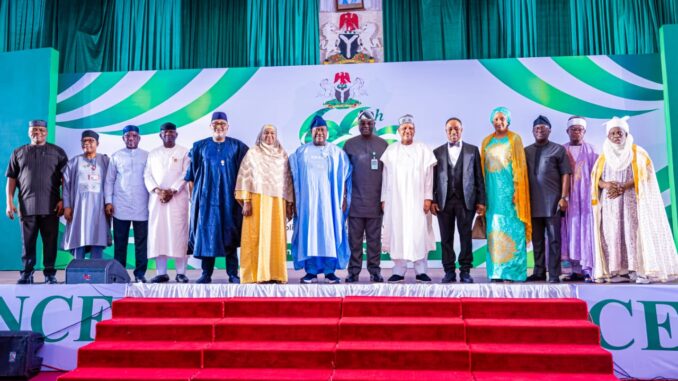
Abuja – October 1, 2026
Nigeria, Africa’s most populous country, celebrates its 66th Independence Day today, October 1, 2026.
Nigeria gained independence from British colonial rule on October 1, 1960. Various events have been organised across the country to mark the completion of 66 years of independence.
The Federal Government has declared October 1 a nationwide public holiday to mark Independence Day. Interior Minister Olubunmi Tunji-Ojo announced the declaration on behalf of the Federal Government.
Congratulating Nigerians at home and abroad, he urged people to use Independence Day to strengthen national unity, patriotism, peaceful coexistence and mutual respect.
This year’s 66th anniversary is being celebrated under the theme “From Reforms to Stability: Consolidating Nigeria’s Renewed Hope for Shared Prosperity”. The government says the theme aims to consolidate the benefits of recent economic and administrative reforms and translate them into improved living conditions and economic opportunities for ordinary people.
President Bola Ahmed Tinubu is scheduled to deliver a special address to the nation at 7 a.m. today to mark Independence Day. The presidency has announced that the address will be broadcast through national television and radio stations.
The Federal Government has decided to hold this year’s anniversary events in a comparatively modest manner rather than staging large-scale celebrations. Activities began with a world press conference on September 24, with Islamic Juma’at prayers and a Christian church service also held ahead of Independence Day.
As part of the anniversary’s security arrangements, the Nigeria Security and Civil Defence Corps has deployed approximately 3,000 personnel across the Federal Capital Territory, where the capital, Abuja, is located.
When Nigeria gained independence in 1960, Sir Abubakar Tafawa Balewa served as its first prime minister. Three years later, in 1963, Nigeria became a republic, with Nnamdi Azikiwe becoming its first president.
After independence, Nigeria experienced military rule, civil war and various political changes. Since returning to democratic rule in 1999, the country has maintained constitutional democratic government for 27 consecutive years.
On this day commemorating 66 years of independence, the Nigerian government has emphasised that the country’s ethnic, linguistic and religious diversity should be a source of strength, and that peace and stability form the foundation for future development.
Reader Comments
Loading comments…