NEWS · SRI LANKA
Sri Lanka’s Economy Grows, but Risks Persist — IMF!
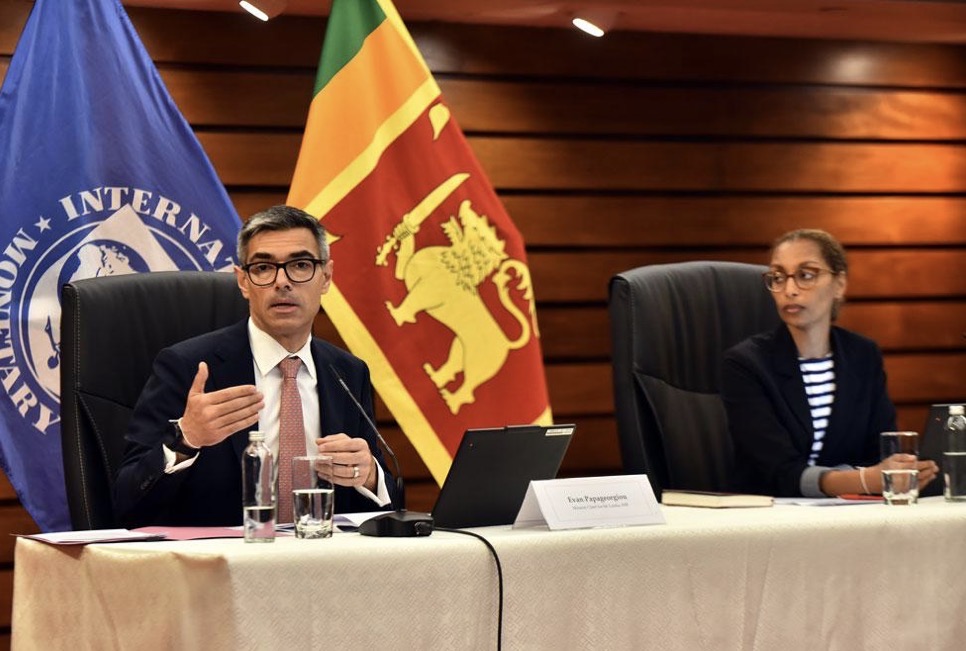
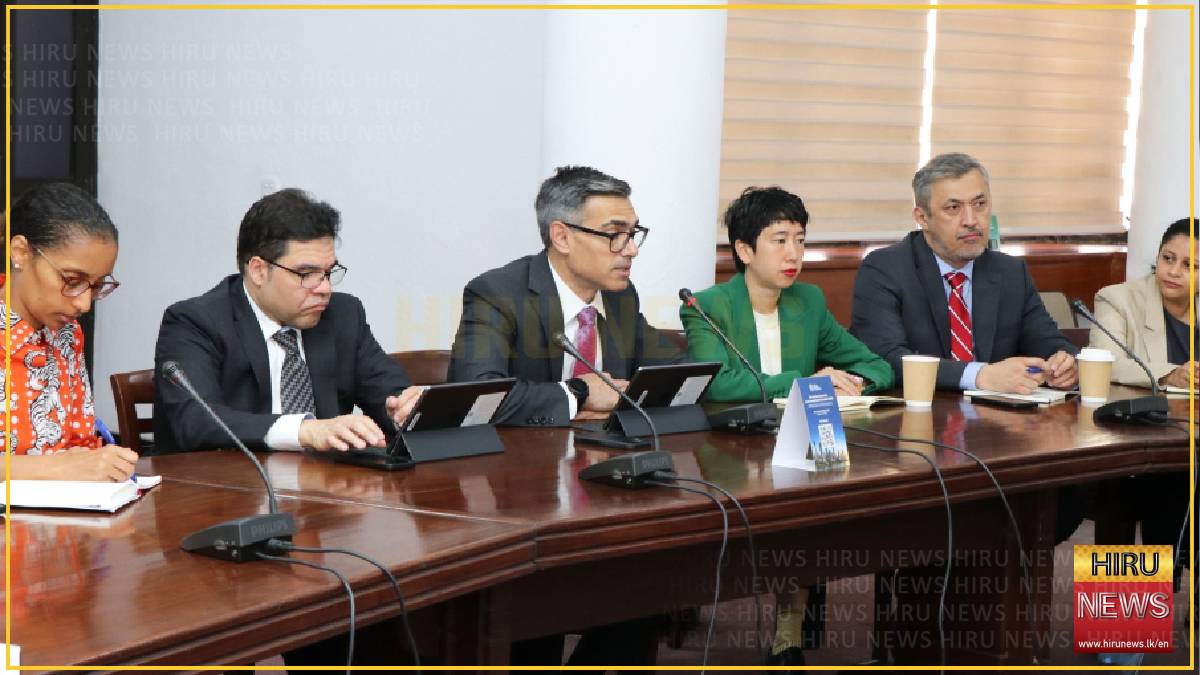
Sri Lanka’s economy continues to advance along the path of recovery despite successive external shocks, the International Monetary Fund (IMF) has said. An IMF team that visited Sri Lanka from September 10 to 23 held discussions with the authorities on the seventh review of the Extended Fund Facility arrangement and the 2026 Article IV consultation.
Economic activity in Sri Lanka expanded by 4.2 percent in the second quarter of 2026. The IMF said this marked 11 consecutive quarters of economic growth. Gross official foreign exchange reserves reached US$6.9 billion at the end of August. The IMF also said that banks remain well capitalized and profitable.
Yet new challenges accompany economic growth. Sri Lanka’s annual inflation rose to 8 percent in August because of the global oil price shock. The IMF warned that uncertainty over how long the Middle East war will last, shifts in global trade policies, and the effects of El Niño continue to pose downside risks to the economy.
The IMF identified developing a medium-term strategy for sustainably increasing government revenue, broadening the tax base, reviewing exemptions and incentives, and improving tax administration as important next steps. It also called for continued cost-recovery pricing for electricity and fuel to limit fiscal risks arising from state-owned enterprises.
The IMF stressed that the central bank should stand ready to act to contain inflation and preserve price stability. It said retaining the current 5 percent inflation target would be prudent, and that sufficient exchange-rate flexibility is needed to absorb external shocks and build reserves further.
The IMF also said structural reforms must continue to move the economy from stabilization towards longer-term growth. Opening up trade, modernizing business and labor regulations, attracting investment, expanding access to financial services, and advancing digitalization could help improve jobs and living standards.
The IMF team also visited Jaffna and discussed the Northern Province’s economic opportunities with the private sector and civil society. The Fund said investment in agriculture, fisheries, tourism, renewable energy, transport connectivity, and skills could create growth and jobs in the north. It also called for stronger social protection so that the benefits of growth reach people more broadly.
The seventh review of Sri Lanka’s Extended Fund Facility arrangement has not yet been completed. Discussions between the Sri Lankan government and IMF staff continue. On September 23, the IMF said it aimed to reach a staff-level agreement soon, paving the way for completion of the seventh review.
Reader Comments
Loading comments…