
SPECIAL FEATURE · INDIA
The Veeramani Case: Questions Raised by Power, Political Friendships and Police Action!
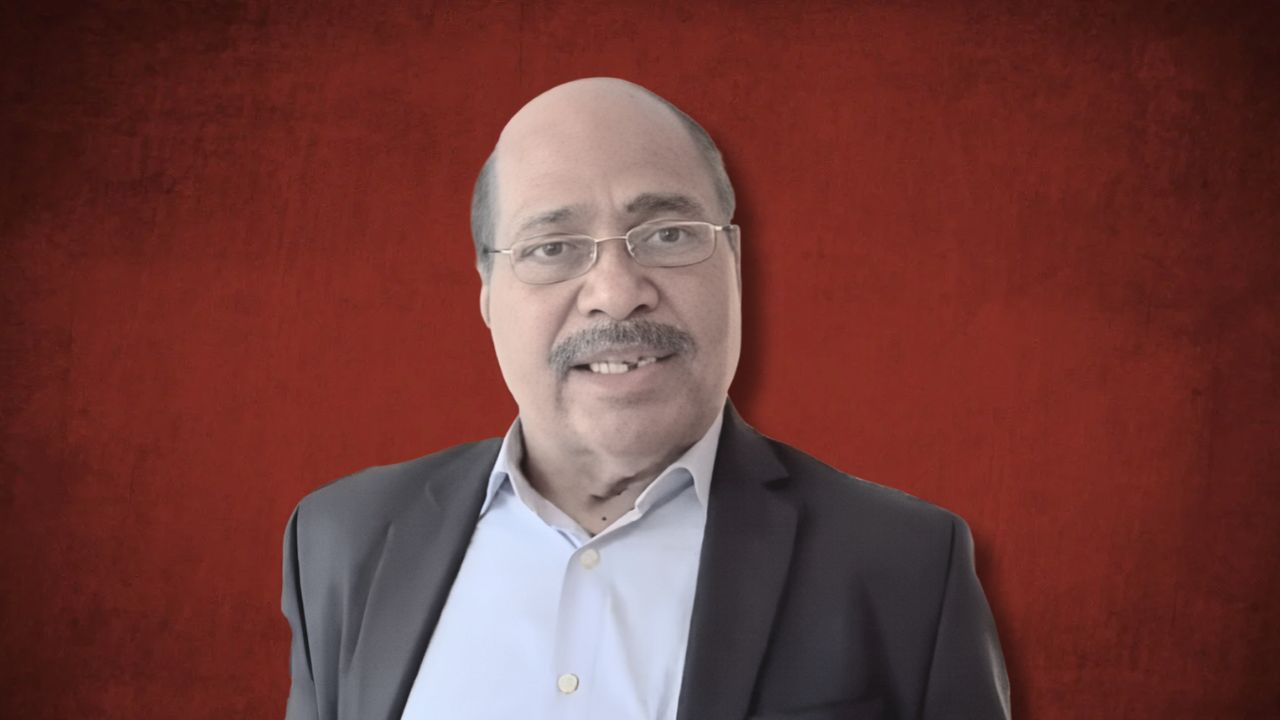
Close ties between major businesspeople and centres of political power are nothing new in Tamil Nadu.
But the case involving allegations of sexual offences against minor girls concerning R. Veeramani, the founder of GEM Granites, has raised important questions beyond a criminal investigation of one individual. It has prompted scrutiny of the relationships among money, business influence, political connections and police action.
Cases have now been registered against Veeramani under the Protection of Children from Sexual Offences (POCSO) Act, and investigations are continuing. He and several people associated with him have been arrested.
At the same time, an arrest does not mean that every allegation against a person has been proved. The court must determine final criminal responsibility.
Yet the biggest debate in this case is not confined to the allegations against Veeramani.
When did the police receive information about him? Did they act promptly on the information they received? If not, why was action delayed?
These have become the central questions.
A businessman close to centres of power
Veeramani has worked in the granite industry for decades.
As his business grew, he also held prominent positions in business and export organisations.
His long public career shows that, as a result, he had contact with ministers, officials and industry leaders at both the Union and state levels.
Meeting politicians or attending the same events as them is not a crime.
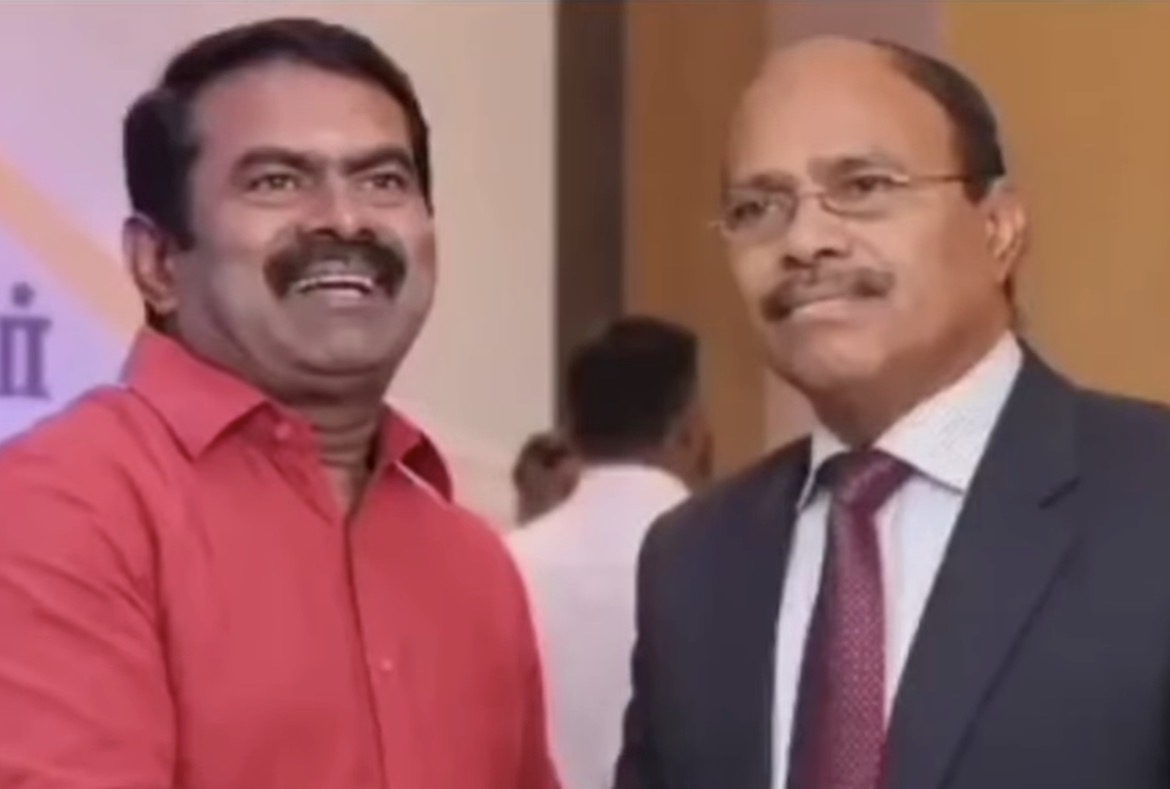
But when questions arise about the political connections of someone now facing very serious allegations, it is naturally a matter of public interest to examine whether those connections had any effect on the investigation.
Longstanding connections with the DMK
News reports describe longstanding links between Veeramani's family and Dravidian politics.
There are records indicating that his father was associated with the principles of the Dravidian movement and was also involved in DMK politics.
Veeramani himself met DMK leaders at various times.
Photographs and reports of his meetings with DMK leaders, including M. K. Stalin, have appeared in public.
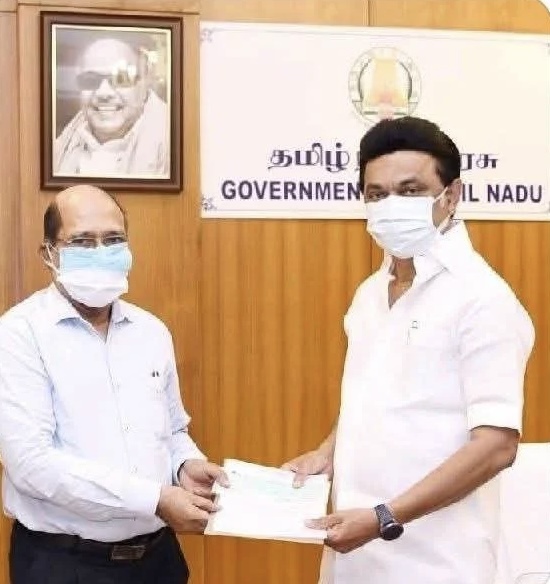
When the DMK later explained one of Veeramani's meetings with Stalin, it said the meeting concerned only a contribution to the Chief Minister's coronavirus relief fund.
Those meetings alone do not prove that DMK leaders intervened in the present POCSO case.
But because the early steps in the case took place during the previous DMK government, the way the police acted at that time has become an important part of the political debate.
An earlier professional association with Congress leader P. Chidambaram
There are also records of an earlier acquaintance between Veeramani and former Union minister P. Chidambaram.
In an old interview, Veeramani himself said that he had received legal assistance from Chidambaram, when the latter was practising as a lawyer, over a legal difficulty related to his business.
Veeramani has also been seen with Union ministers at events connected with export organisations, including CAPEXIL.
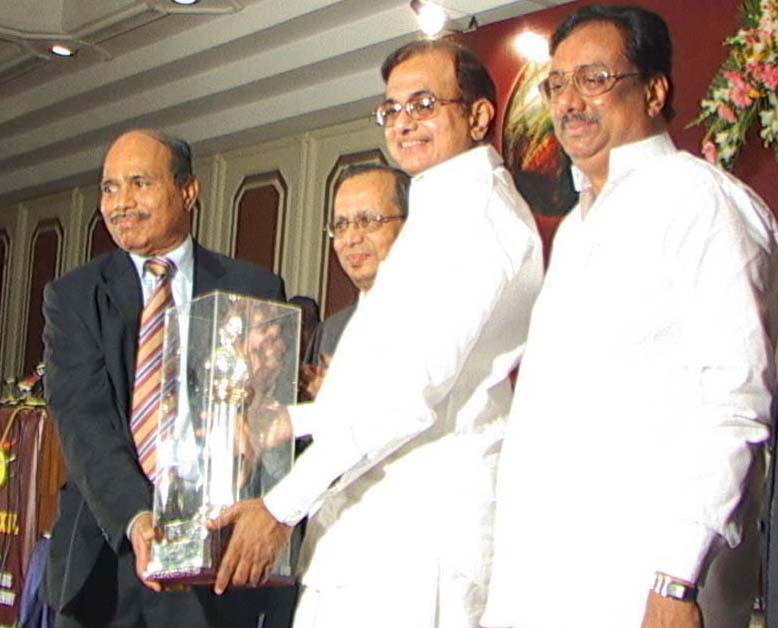
All of these were professional and public associations from many years ago.
No evidence directly connecting them to the present POCSO investigation has so far been confirmed publicly.
Connections during the AIADMK years too
Veeramani's connections cannot be said to have been limited to one political party.
His name also appeared in older news reports among prominent businesspeople who extended greetings to former Chief Minister Jayalalithaa.
His public career therefore appears to be that of a businessman who maintained connections with different administrations and centres of power.
Focusing on only one party would not provide a complete picture of this matter.
Connections with the current political leadership
Reports have also said that Veeramani appeared on the same platforms as political figures in recent years.
There are records of his participation in events attended by ministers associated with the current TVK government.
One report says that a minister described Veeramani as a family friend at an event.
Being a minister's family friend, however, does not by itself prove that the minister knew about the allegations against Veeramani or protected him.
That distinction must be made clear.
Nevertheless, Veeramani's connections with different political groups across different periods of power are now drawing greater attention.
Was a complaint submitted as early as 2024?
Tamil Nadu Congress functionary M. P. Ranjan Kumar has raised one of the most important questions in the Veeramani matter.
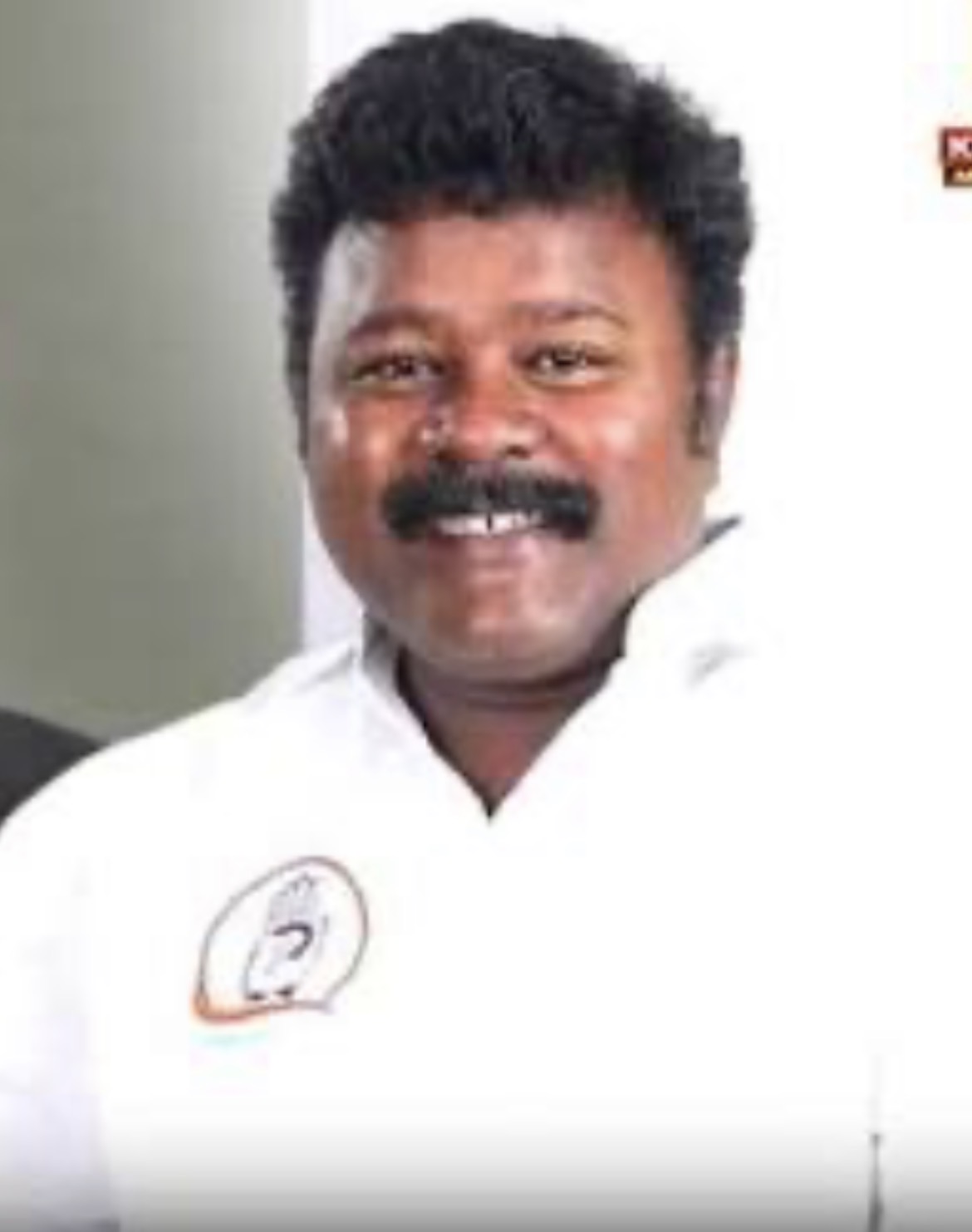
According to him, he submitted a complaint to the police about Veeramani and his associate Shanthi in November 2024.
He says he signed a written complaint on November 21, 2024, and met N. Kannan, then Additional Commissioner of Police for South Chennai, the following day to hand it over.
He also says an officer from the police Anti-Vice Squad subsequently contacted him and asked for further information and video clips.
The information released by Ranjan Kumar also raises the question of whether some video material was shared with police officers as early as December 2024.
Crucially, N. Kannan, who was Additional Commissioner at the time, later acknowledged receiving Ranjan Kumar's complaint and said that, because it involved a serious matter concerning children, he informed Arun, then Chennai Police Commissioner.
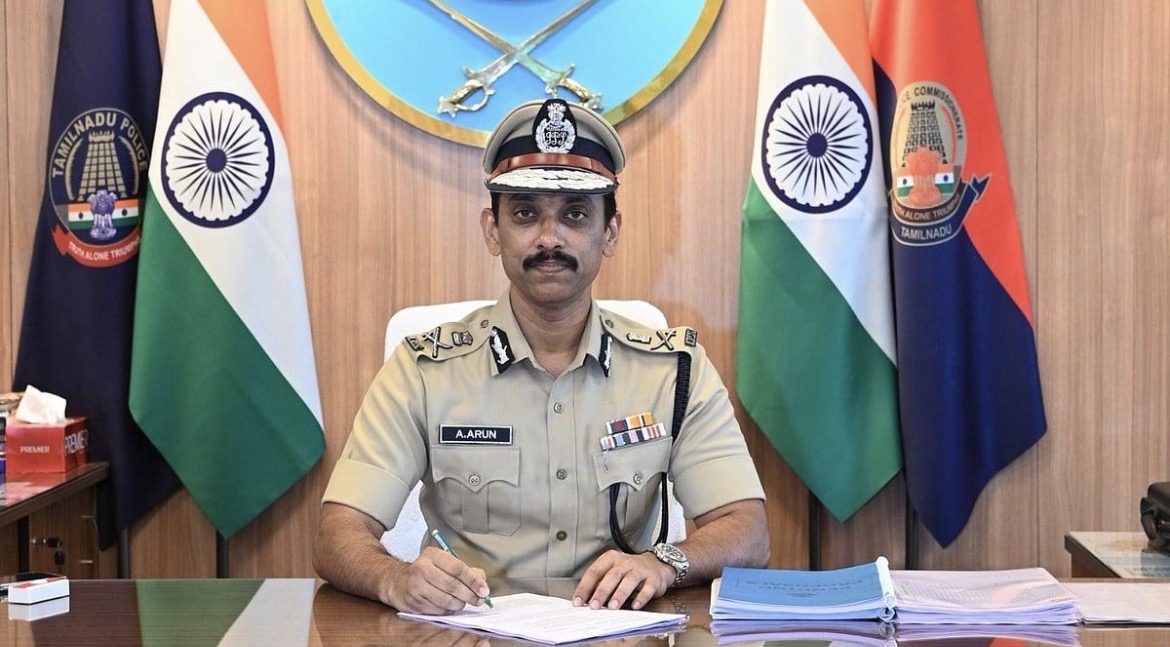
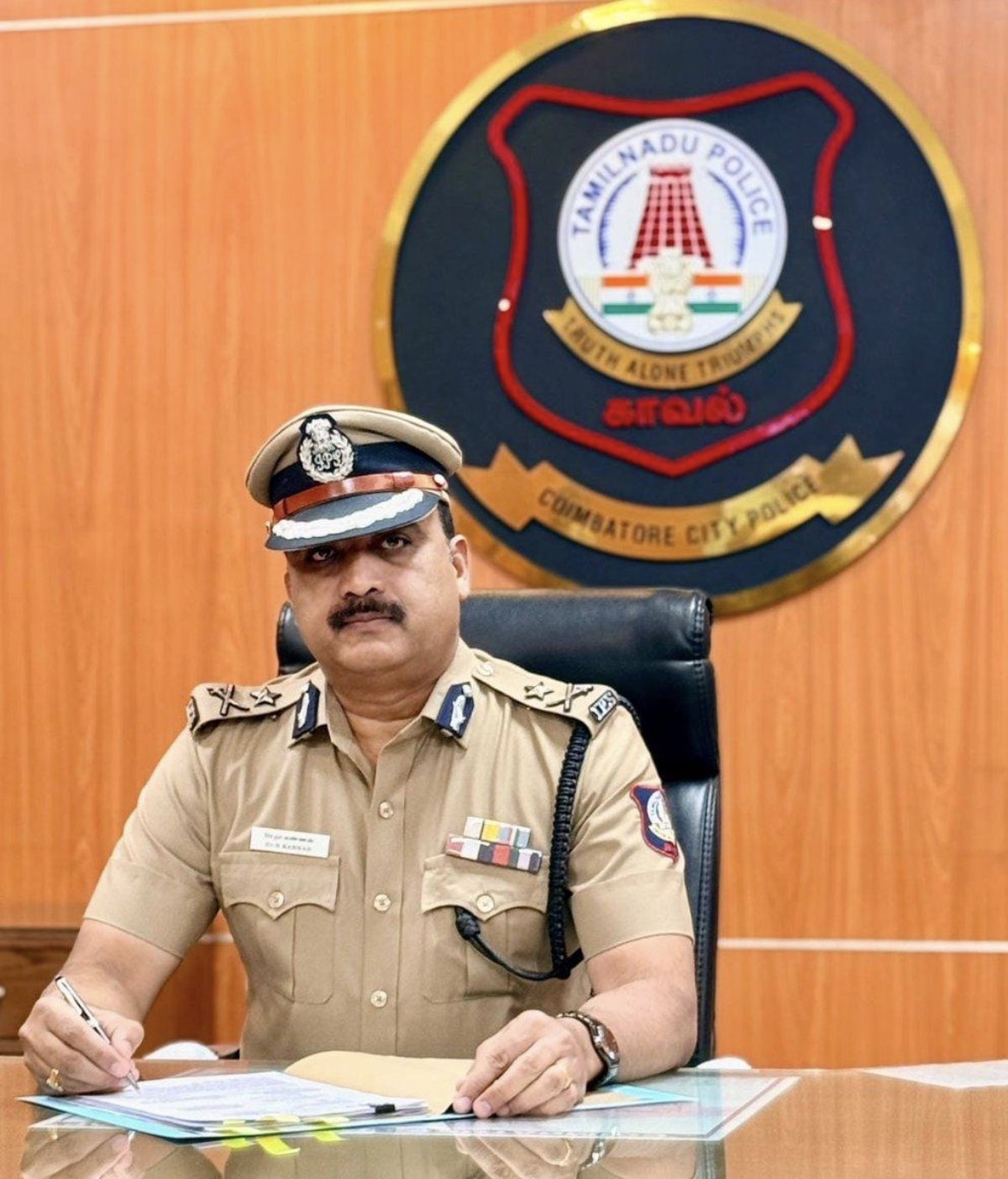
That raises a very important question.
If senior police officers had been informed of this matter in November 2024, why was an official POCSO case registered only in October 2025?
The public deserves a full answer.
The political circumstances described by the complainant himself
Ranjan Kumar has disclosed another detail that deserves attention.
Asked why he did not continue to press the matter vigorously, he said that he was then part of the DMK–Congress alliance and had hoped to receive an opportunity in the coming Assembly election.
He said that this was also a reason he did not keep exerting pressure.
He has further alleged that the police brought him to a point where he did not continue pursuing the matter.
These statements are allegations made by Ranjan Kumar.
It has not been proved in court that political pressure was the reason the police did not act.
But the fact that the person who says he filed the complaint has openly referred to his own political expectations and the circumstances of the then governing alliance cannot simply be dismissed.
The video resurfaced in 2025
It has been reported that a pen drive reached the police through a child welfare organisation in October 2025.
Reports on the investigation say it contained a video alleged to show a minor girl being sexually abused and that a case was subsequently registered under the POCSO Act.
But because Ranjan Kumar says he had already made a complaint naming those involved in the same matter in 2024,
did the police really know nothing about Veeramani until October 2025?
That question has become even more significant.
The police move to close the case
The matter did not take a straightforward course even after a case was registered.
Reports say the police took the position that there was insufficient evidence to continue the investigation, citing reasons including an inability to identify the girl said to have been affected and the absence of the original source of the video.
On that basis, a report seeking to drop further action in the case was submitted to the POCSO court.
The court did not accept it.
It ordered further investigation.
This was the most important turning point in the case.
The police say that several significant developments emerged only in the investigation conducted after the court's intervention.
Evidence said to have been found later
The police say that further investigation recovered original videos and digital devices allegedly connected with the allegations.
The girl whom investigators had earlier said they could not identify was subsequently found.
News reports say that her statement was recorded before a judicial magistrate.
The police have also said that other women and minor girls were identified during the investigation.
Veeramani and associates including Shanthi and Mahendra Simman were subsequently arrested on August 29, 2026.
The investigation then expanded further.
Reports said that another POCSO case relating to a different minor girl was registered against Veeramani on September 28, 2026.
The scope of the investigation is therefore still widening.
What if the court had not intervened?
This is the most important question the public should ask about the case.
What would have happened if the court had accepted the police report and closed the case then and there?
Who would have looked for the girl said to have been found later?
Would the digital evidence said to have been recovered later have been found?
Would information about other possible victims have come to light?
These questions require answers.
This is not a question of supporting or opposing any political party.
It is a question about the quality and accountability of the police investigation.
The police themselves are now under investigation
The Veeramani case no longer concerns only the investigation of the allegations against him.
The inquiry has expanded to examine the actions of police officers who handled the case earlier.
Some police officers have been called for questioning.
How information allegedly received as early as 2024 was handled has also become part of the investigation.
A special investigation team comprising four female officers has been formed.
No officer can be judged guilty before that investigation is complete.
But the fact that another investigative team must examine the police's earlier actions demonstrates the seriousness of this case.
Political accusations and responses
The Veeramani matter has also become a major subject of debate in Tamil Nadu politics.
The current Chief Minister and TVK leader, Vijay, has alleged that the case was covered up during the previous DMK administration.
The DMK has denied the allegation.
It has explained that the case was not deliberately closed and that, because sufficient evidence had not been obtained, the investigation was kept pending until further evidence became available.
The Communist Party of India (Marxist) has also raised questions about the police's earlier actions.
The case is consequently being used in electoral politics.
But the political parties' competing accusations must not obscure the fundamental aim of justice for the children affected.
How did John Pandian's name enter the matter?
The name of John Pandian, leader of the Tamilaga Makkal Munnetra Kazhagam, has also appeared in information surrounding this case.
Ranjan Kumar has mentioned John Pandian's name in connection with a meeting in some of his statements.
But John Pandian has denied the key allegations concerning him.
He has explained that he knew Veeramani only occasionally as a businessman and knew nothing of his private activities.
Given these conflicting accounts concerning John Pandian, it would be wrong to link him criminally to the case before the investigation reaches its conclusions.
Political friendship is not a crime
One point must be made absolutely clear here.
It is not a crime for a businessman to know a Chief Minister.
It is not a crime to know ministers.
Nor is it a crime to be photographed with DMK, AIADMK, Congress or TVK leaders.
Attending events with political leaders is not a crime.
Even if a politician calls him a friend, that alone proves no offence.
But if well-founded suspicions arise that normal legal action did not take place after very serious allegations of sexual offences against children concerning that person reached the police, then questions about his access to power must also be asked.
That is the situation that has now arisen in the Veeramani matter.
The question is not which party he belongs to
Viewing Veeramani only through his association with a particular political party would narrow the true scope of the matter.
His public career shows that, over decades in business, he developed connections with different political groups as governments changed.
The question to ask, therefore, is
“Which party does Veeramani belong to?”
That is not the question.
Rather,
“When a serious allegation is made against someone with money, business influence and access to centres of political power, does the law act with the same speed and rigour that it would for an ordinary citizen?”
That is the central question that needs to be asked.
Questions that need answers
Did the police receive a complaint about Veeramani as early as 2024?
If they did, what action was taken on it?
If video material was given to the police then, why was an FIR not registered until 2025?
Why did the investigation move towards closing the case after it was registered in 2025?
Why was important evidence said to have been found later not discovered in the initial investigation?
What explains the discrepancy between the initial claim that the affected girl could not be found and the subsequent account that she was found?
Did Veeramani's political or business influence have any direct or indirect effect on the investigation?
If it did, who was responsible?
The special investigation team's inquiry must provide clear answers to all of these questions.
Finally…
The final truth of the allegations against Veeramani will be determined in court.
But the case has already placed another important question before Tamil Nadu society.
Does the law operate in the same way for those with power and those without it?
When an allegation of a sexual offence against a child arises, the accused person's wealth or poverty, status as an ordinary individual or major businessman, or friendship with politicians must make no difference to police action.
Political friendship does not prove someone's guilt.
Equally, political friendship must not shield anyone from the law.
The full truth of the Veeramani matter must come out.
The inquiry must examine not only the allegations against him, but also
who knew about the matter from 2024 onwards?
Who acted?
Who did not act?
Why did they not act?
All of this must be thoroughly investigated.
For what ultimately needs protection in this case is not the name of any political party.
It is justice for the children affected and the public's trust in the law.
Reader Comments
Loading comments…