
ARTICLES · EELAM HISTORY
The Soulbury Plan Passed: Why Was the Tamils’ 50–50 Demand Rejected?
Swami Shankaranandaa
Editor-in-Chief – Eelam Mannin Suvadugal
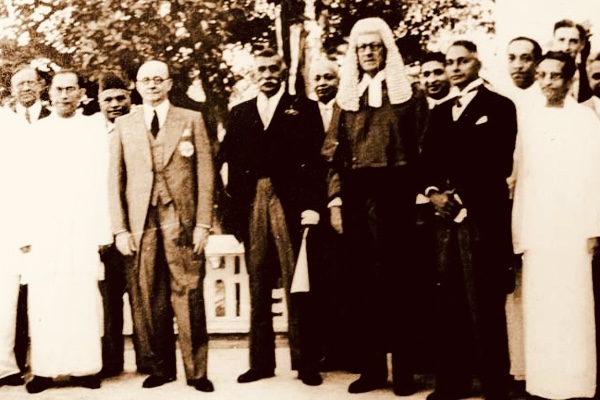
On 8 and 9 November 1945, the State Council of Ceylon debated the British government’s White Paper. D. S. Senanayake, keen to secure greater powers of self-government for Ceylon, argued that accepting the White Paper would allow the country to move towards Dominion status. At the same time, a question remained about what share Tamils and other minority communities would have in the powers transferred by Britain.
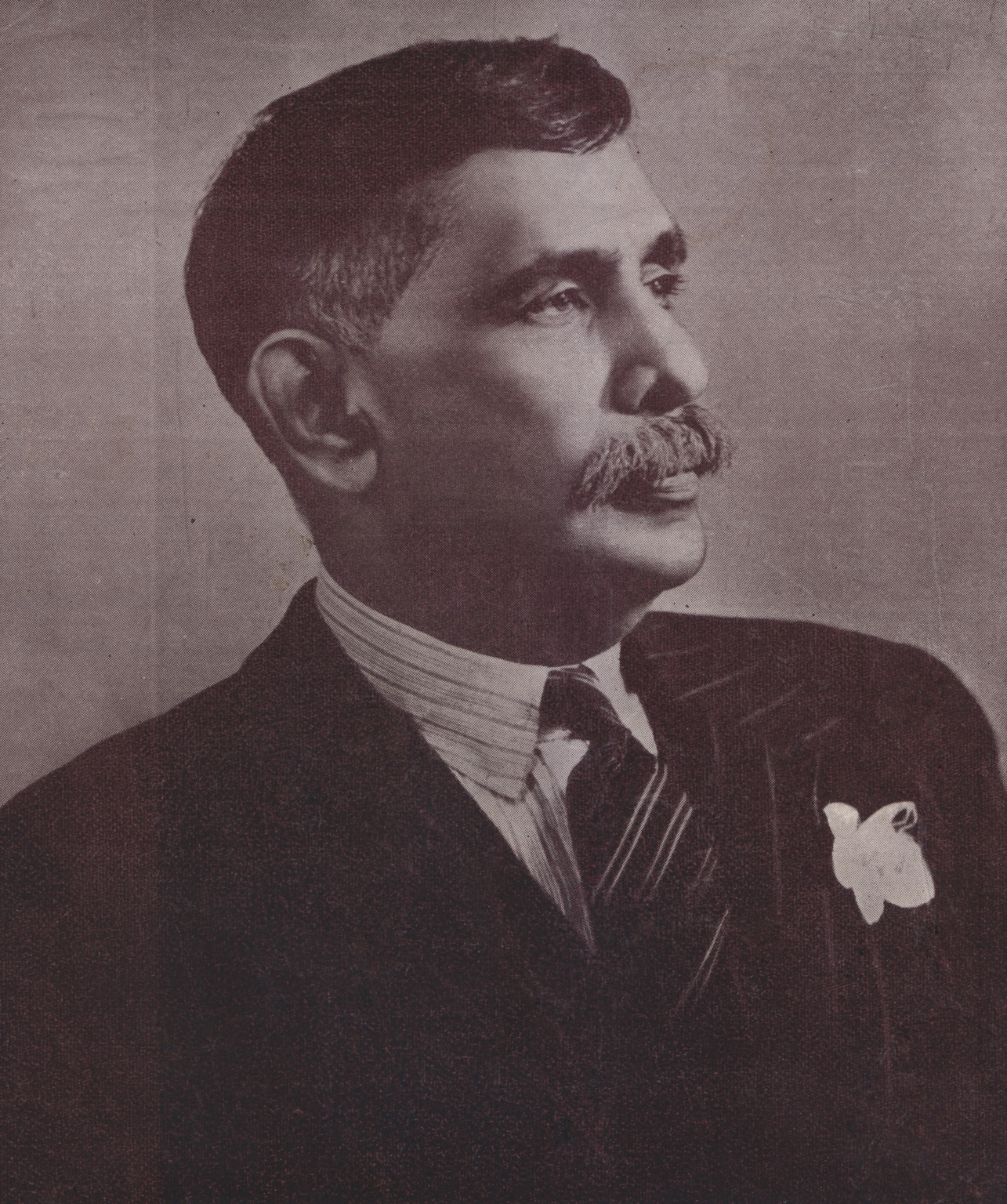
D. S. Senanayake
The commission chaired by Lord Soulbury came to Ceylon and heard from political leaders and community representatives. Its report was published on 9 October 1945. Later that month, the British government issued its White Paper based on the commission’s recommendations. A central feature was the creation of a bicameral Parliament consisting of a House of Representatives and a Senate. The House of Representatives was to have 95 elected and six appointed members.
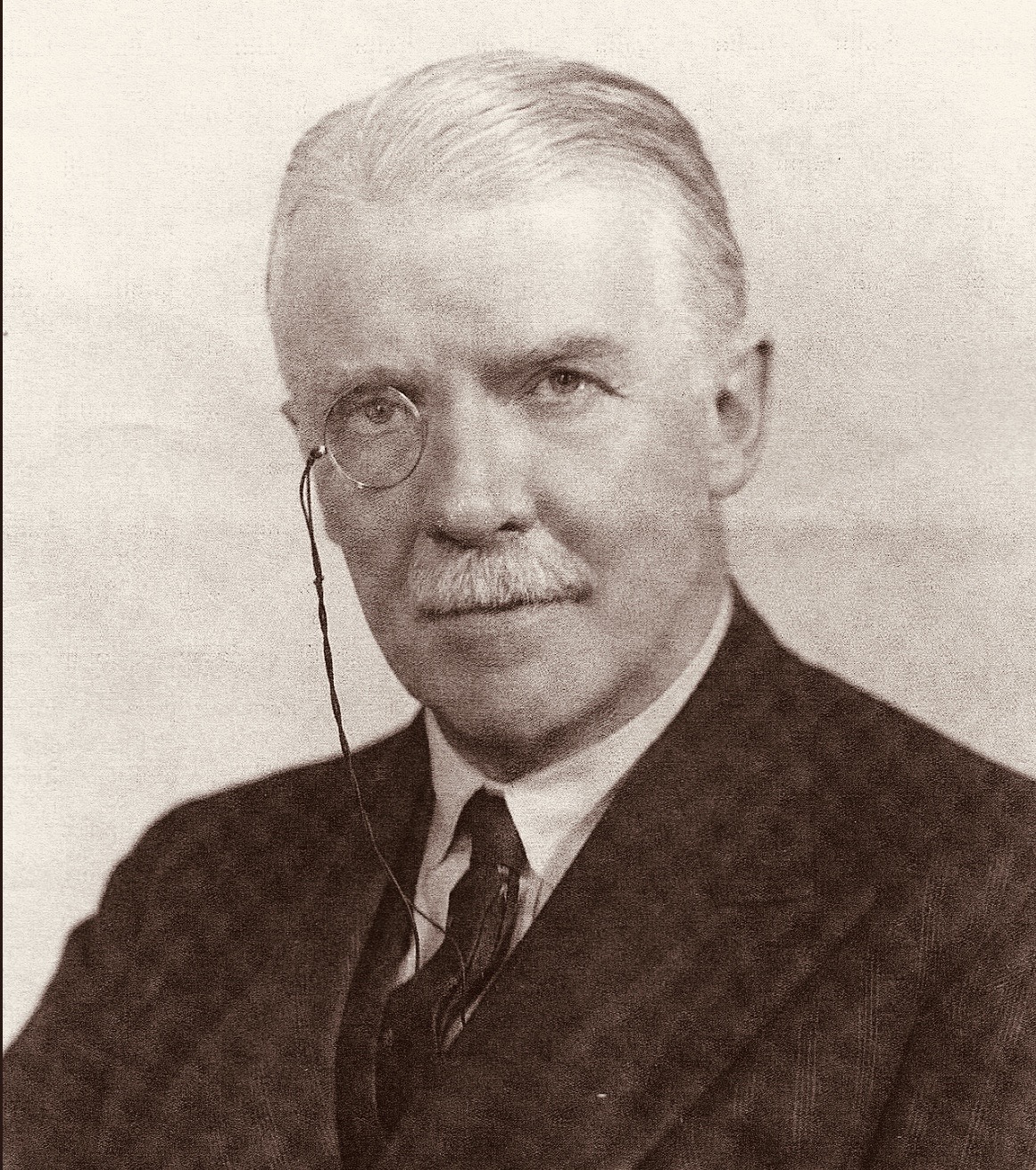
Lord Soulbury
G. G. Ponnambalam, leader of the All Ceylon Tamil Congress, put the 50–50 demand before the commission. It called for half the legislative seats to go to the Sinhalese and the other half to all other communities combined, including Ceylon Tamils, Hill Country Tamils and Muslims. The aim was to prevent one community’s numerical majority from giving it the power to make decisions on its own in the legislature. The Soulbury Commission rejected the proposal. The British government’s White Paper proceeded with a constituency-based electoral system.
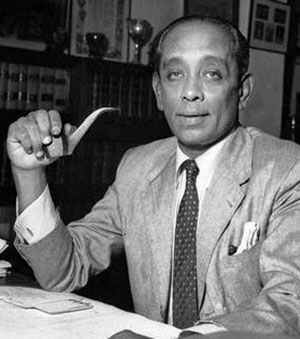
G. G. Ponnambalam
At the end of the two-day debate, the motion to accept the White Paper passed by 51 votes to three. Sir Arunachalam Mahadeva, Subbiah Natesan and Jeganathan Thyagarajah voted in favour. W. W. Dahanayake, K. R. Natesa Iyer and I. X. Pereira voted against. Ponnambalam, who had put forward the 50–50 demand, was outside Ceylon at the time and did not take part in the vote.
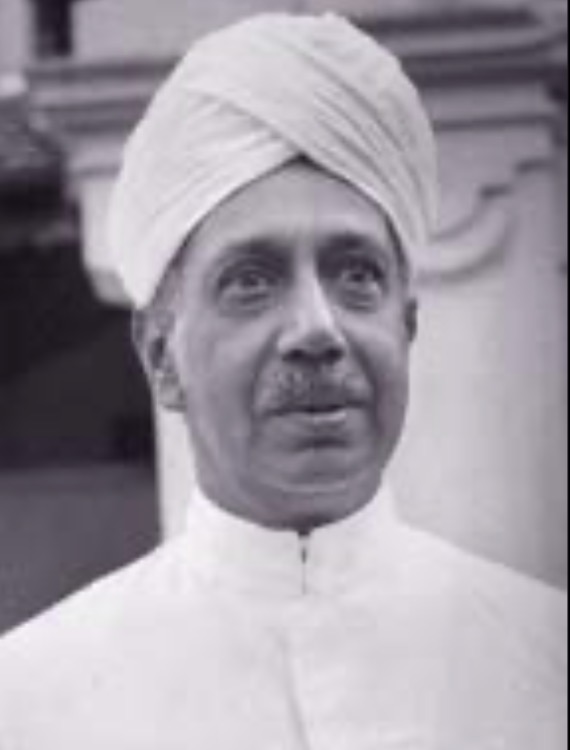
Sir Arunachalam Mahadeva
Mahadeva entered the State Council after winning the 1934 Jaffna by-election and later became a founding member of the United National Party. At the 1947 general election under the new constitution, Ponnambalam defeated him in Jaffna. At the same election, S. J. V. Chelvanayakam defeated Subbiah Natesan in Kankesanthurai. Although Tamil Congress candidates won in their constituencies, they did not have enough votes in Parliament to block legislation brought forward by the government, which held a majority.
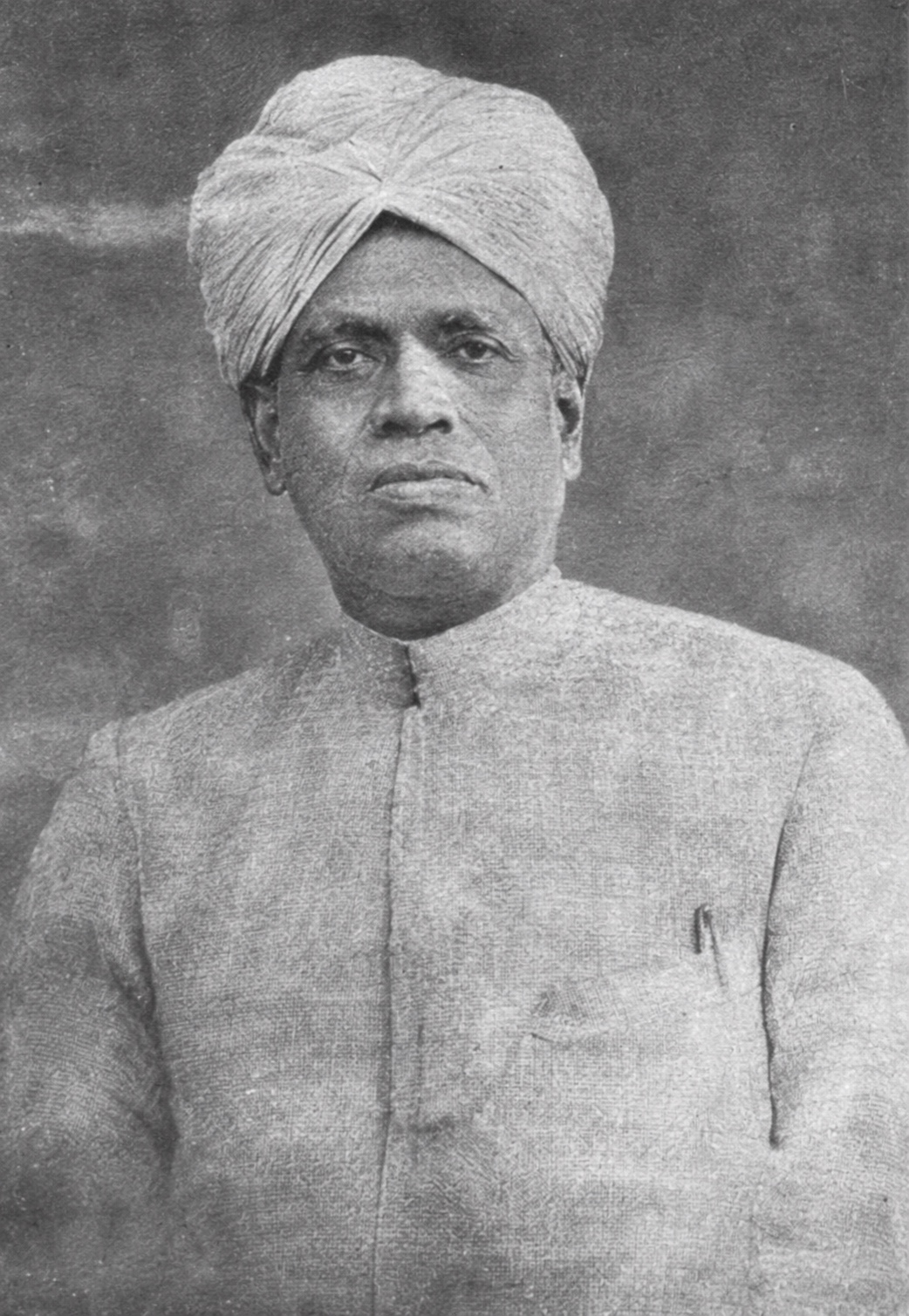
Subbiah Natesan
Section 29 of the new constitution prohibited restrictions that disadvantaged a particular community or religion and privileges granted exclusively to a particular community or religion. A law that breached those protections could be challenged in court. But there was no requirement to obtain the consent of the affected community’s representatives before passing a law. Tamil members therefore had to rally support from other parties to block bills affecting their people.
Hill Country Tamils experienced the consequences directly after independence. A large number of them could not obtain citizenship under the eligibility requirements of the Ceylon Citizenship Act of 1948. The legislation introduced in 1949 for Indian and Pakistani residents offered a way to apply, but many could not meet its conditions either. When the electoral amendment enacted that same year tied voting rights to citizenship, many who had previously voted lost the franchise.
Meanwhile, Ponnambalam joined D. S. Senanayake’s government as Minister of Industries. On 10 December 1948, he voted in favour of the Indian and Pakistani Residents Citizenship Bill at its second reading. Chelvanayakam voted against it. The disagreement over the bill, which became law the following year, was one of the main reasons for the split in the All Ceylon Tamil Congress.
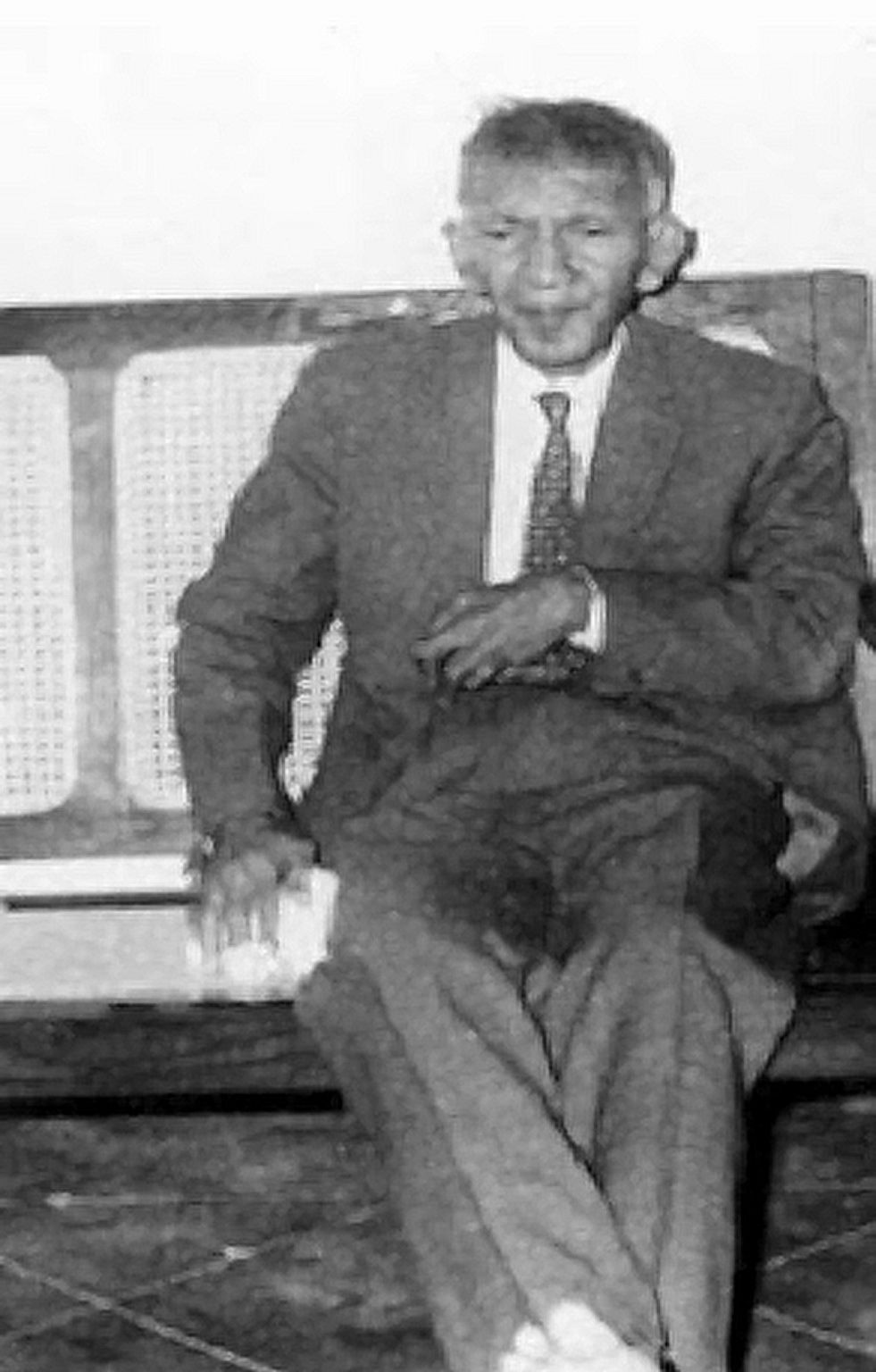
S. J. V. Chelvanayakam
We cannot say with certainty today whether accepting the 50–50 demand would have changed the fate of those laws. In practice, however, the government did not need the consent of Hill Country Tamil representatives to pass legislation affecting their community’s citizenship and voting rights. Once they lost the franchise, Hill Country Tamils also lost the opportunity to elect representatives at the next election who could speak for them in Parliament.
Reader Comments
Loading comments…