
ARTICLES · EELAM HISTORY
Tamils of the North and East Before 1956 – An Unforgettable History of Everyday Life
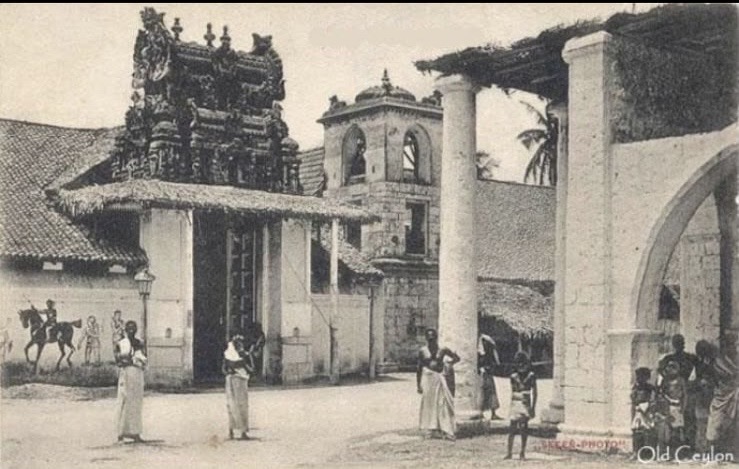
Swami Shankaranandaa
The lives of Tamil people who once lived in Jaffna, Trincomalee, Batticaloa, Mannar and Amparai encompassed many aspects: their labour, culture, occupations, education, worship and social relationships. When we look at old photographs today, we see more than black-and-white images. Behind those photographs lie the lives of a generation and the identities of the land they inhabited.
Photographs taken before 1956 are important historical evidence for understanding the lives of Tamil people in the North and East during that period.
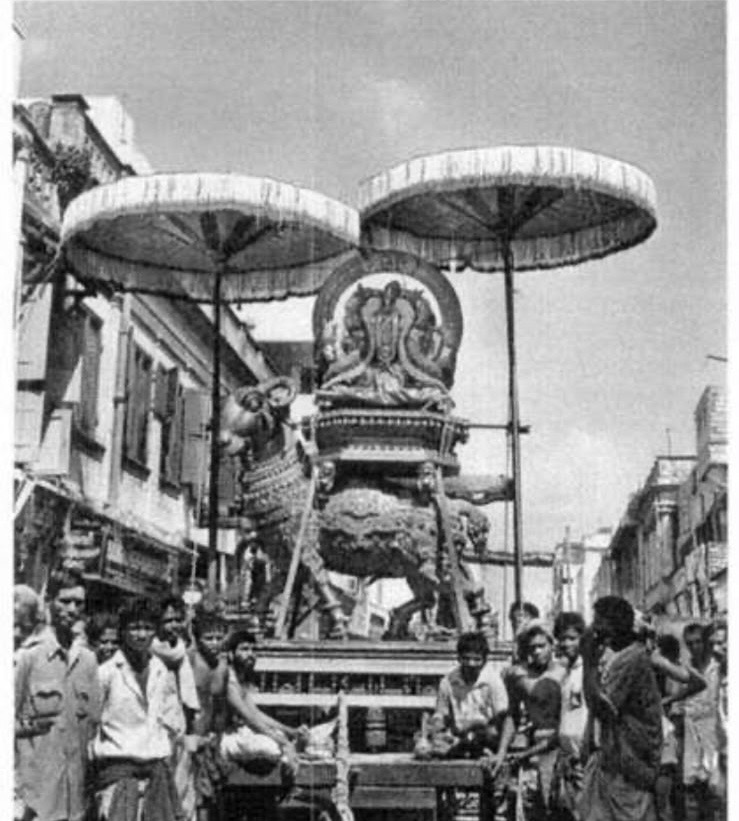
A temple festival photograph recorded in Jaffna in 1954, photographs taken in Trincomalee in 1952, and photographs of Batticaloa and Mannar introduce us to the surroundings of that era.
Jaffna’s cultural identity
Temples and traditions of worship occupied an important place in the lives of Jaffna’s people. Temples stood in villages throughout the region. Temple festivals also served as social occasions that brought village communities together.
Agriculture was one of the principal occupations of the time. Many families cultivated tobacco, onions, chillies and vegetables. The palmyra palm held an important place in the economy and everyday life. Its products were used for food, household needs, handicrafts and many other purposes.
The people of Jaffna also showed considerable interest in education. Schools, colleges, libraries, teachers and community organisations concerned with education had helped create a strong educational environment.
Trincomalee – life shaped by the sea and harbour
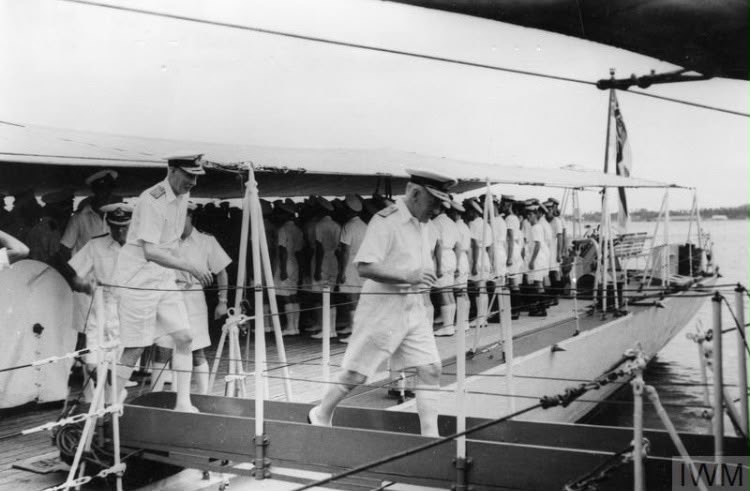
Photographs of the harbour and British naval base taken in Trincomalee in 1952 illustrate the town’s importance at the time.
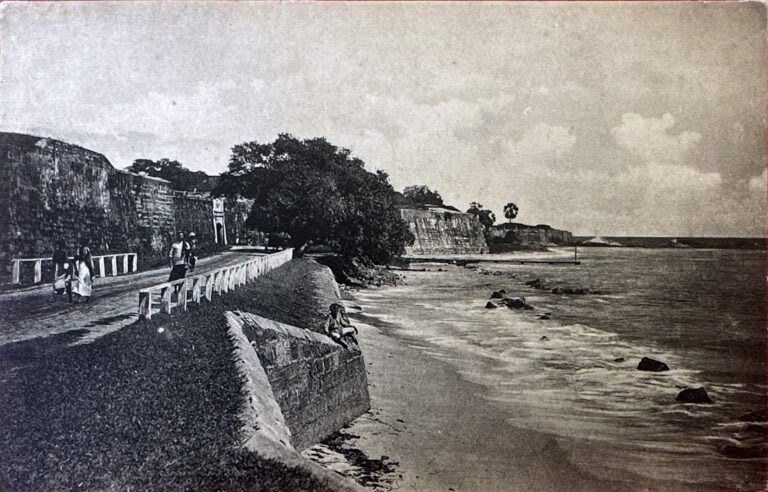
Trincomalee is a town with a natural deep-water harbour. Its geographical setting gave it military and maritime importance both during British rule and after Ceylon gained independence.
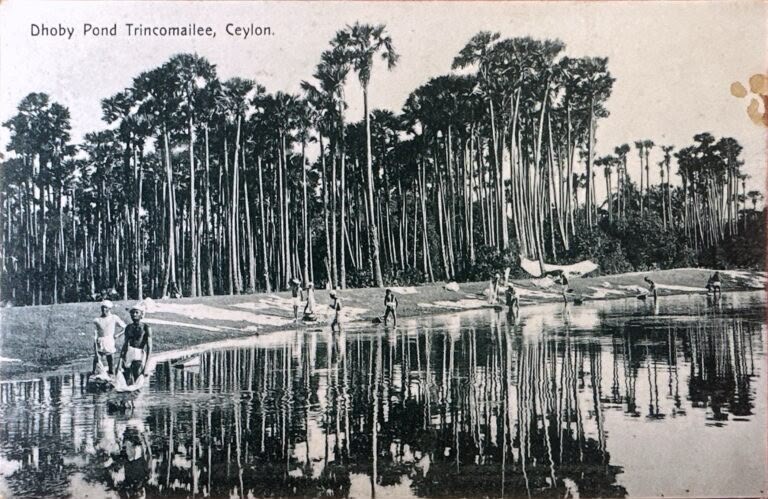
But Trincomalee’s history does not end with its harbour and naval base. The lives of the Tamil people who lived there were closely intertwined with both the sea and the land.
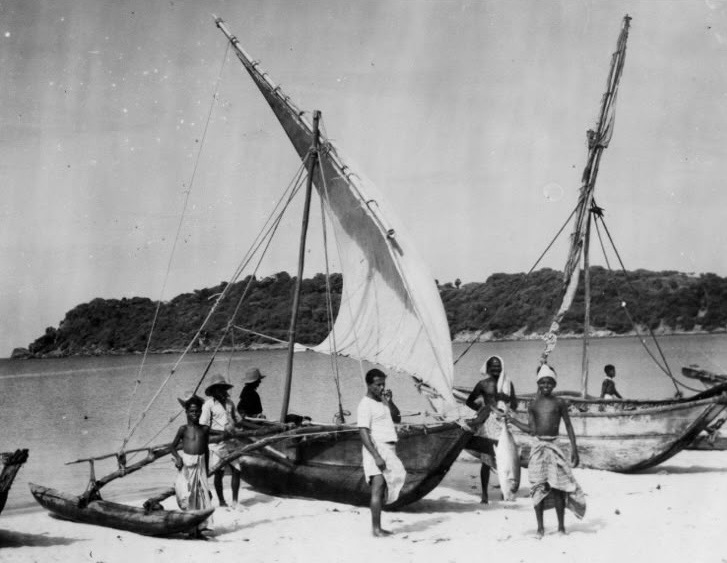
Fishing, agriculture, small businesses and livestock farming provided livelihoods. Places of worship, including Koneswaram Temple, were connected to the people’s cultural identity. Markets, shopping streets and village relationships formed a distinctive social life.
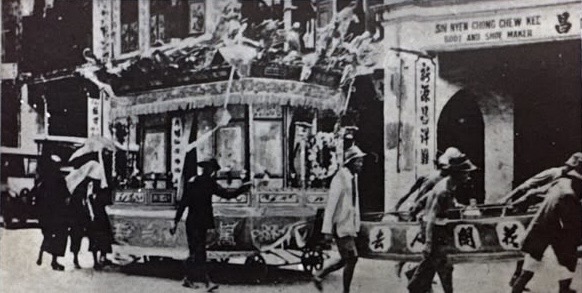
Trincomalee was home not only to Tamil people but also to communities of various ethnic backgrounds. Its history includes Chinese residents, Black people of African descent and white Europeans, including the British. Chinese residents worked in activities associated with the British naval base. The history of people of African descent is linked to European colonial rule. Trincomalee, where people of different ethnicities and communities lived, thus possessed a distinctive multicultural history.
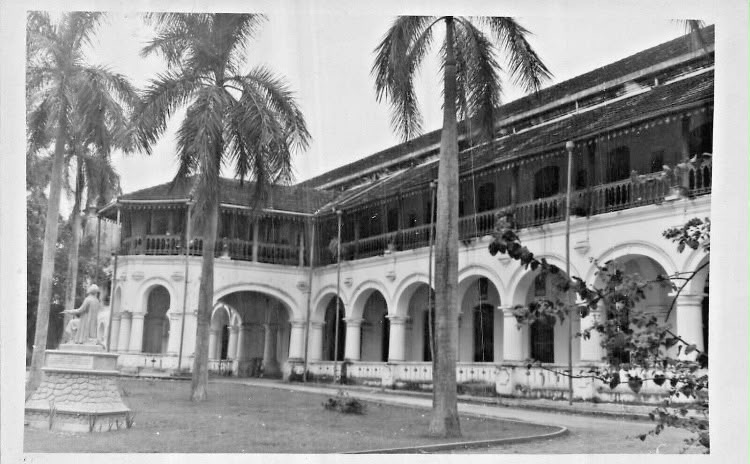
When we see the harbour and colonial buildings in old photographs of Trincomalee, we can appreciate how the town continued its social life amid the influences of different ruling powers.
Batticaloa – life around the lagoon and fields
Any discussion of Batticaloa’s way of life must include its lagoon and agricultural lands.
The lives of people in villages around Batticaloa Lagoon were closely connected to the water. Fishing supported many families. Paddy cultivation, livestock farming and small-scale agriculture were also part of everyday life.
Art and culture had a special place in the rural life of Batticaloa at that time. Koothu, folk songs, traditional music and temple festivals played important roles in community life.
Batticaloa’s traditional koothu theatre, in particular, is a cultural identity preserved by its people across generations.
Memoirs written by L. C. Arulpragasam, who served as Assistant Government Agent in Batticaloa District in 1955, help us understand the agriculture, settlements and everyday lives of the region at that time.
Mannar – people who lived with the sea
The sea occupied a major place in the lives of Mannar’s people. Fishing, maritime occupations, livestock farming and agriculture provided livelihoods.
The marine resources of the Gulf of Mannar and its history of pearl diving are especially important to the region’s economic history.
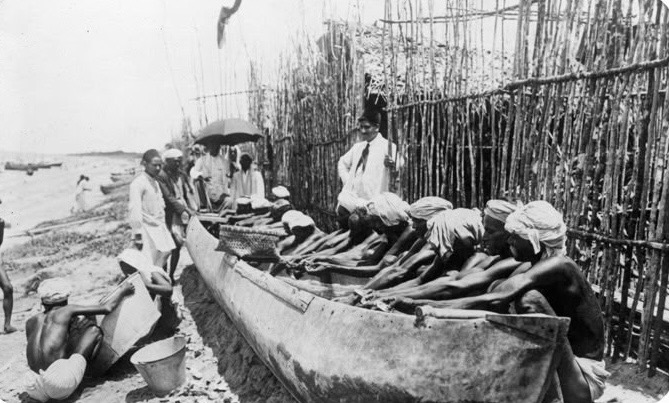
People in coastal villages lived closely with nature. Their occupational experience and knowledge of the sea were passed down through families from generation to generation.
Amparai – agricultural life and rural society in the East
Before 1956, the area now known as Amparai District was not a separate district. It was part of the Batticaloa District of that period.
Tamil people in those areas worked in agriculture, fishing and livestock farming. The lives of coastal Tamil villages, in particular, were closely linked to Batticaloa’s cultural traditions.
Settlement and irrigation projects such as the Gal Oya Development Scheme later brought significant changes to the landscape and human settlements of the region.
Let us preserve the life of an era
When discussing the lives of Tamils in the North and East before 1956, it is not enough to focus only on political history.
We must also record what people’s homes looked like, what work they did, where their children studied, how they celebrated their festivals and how social relationships within villages were organised.
Jaffna’s palmyra palms and agricultural lands, Trincomalee’s sea and harbour, Batticaloa’s lagoon and fields, Mannar’s fishing villages and Amparai’s agricultural areas together form the social history of a people.
When we look at those old photographs today, we see more than the buildings and people they depict. We see the era in which our ancestors lived, the society they created and the cultural identities they preserved.
A people’s history is not determined solely by the political changes they experienced; the lives, labour and culture of ordinary people who lived on that land are its true history.
Reader Comments
Loading comments…