
ARTICLES · EELAM HISTORY
LTTE Releases 18 Indian Soldiers for the First Time During the War with the Indian Army!
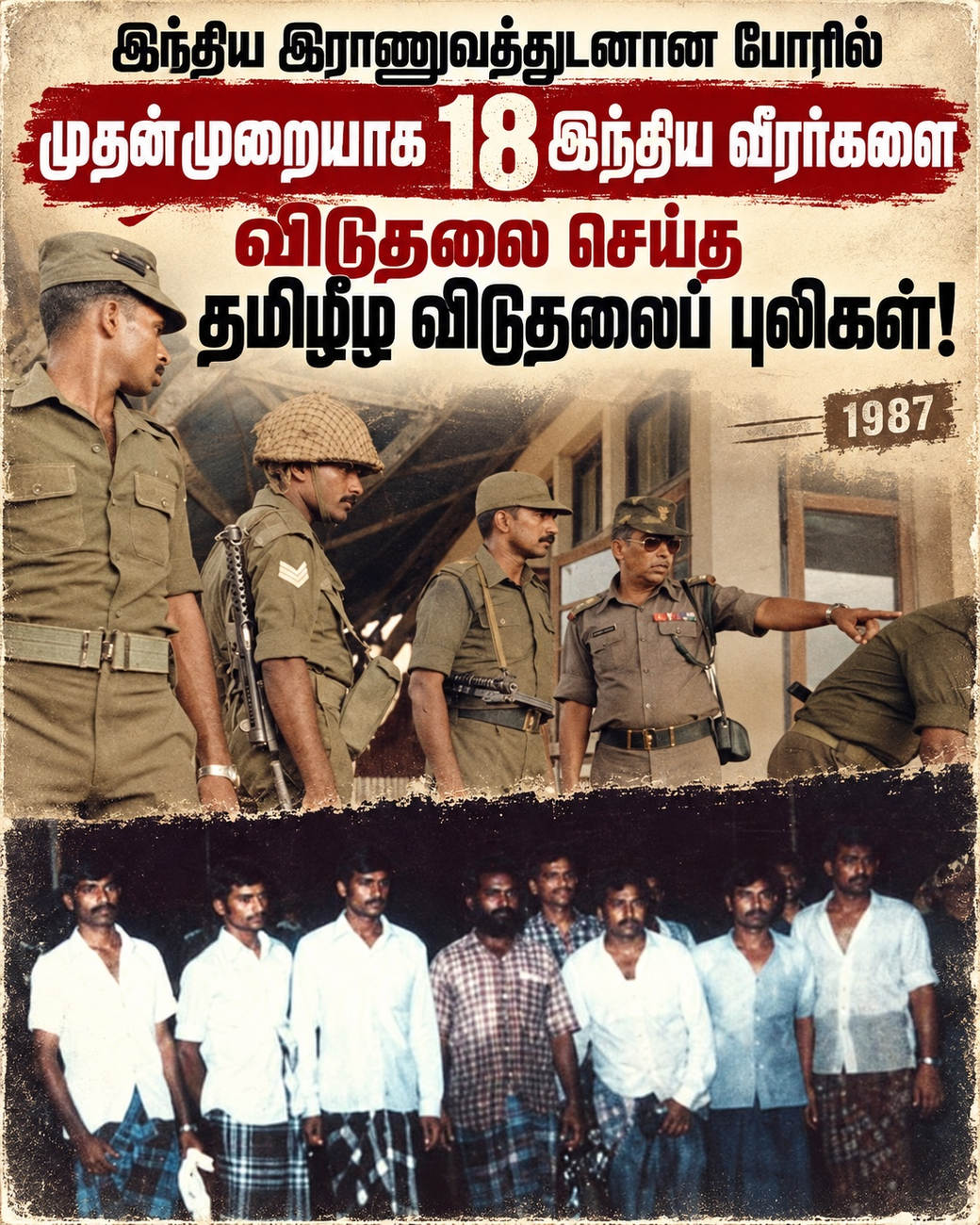
On 19 November 1987, the Liberation Tigers of Tamil Eelam (LTTE) released 18 Indian Army soldiers of the Mahar Regiment who had been captured during the conflict with the Indian Peace Keeping Force.
The handover of these prisoners at two locations, Chavakachcheri and Uduvil, was one of the notable historical events of the early stages of the war between the Indian Army and the LTTE.
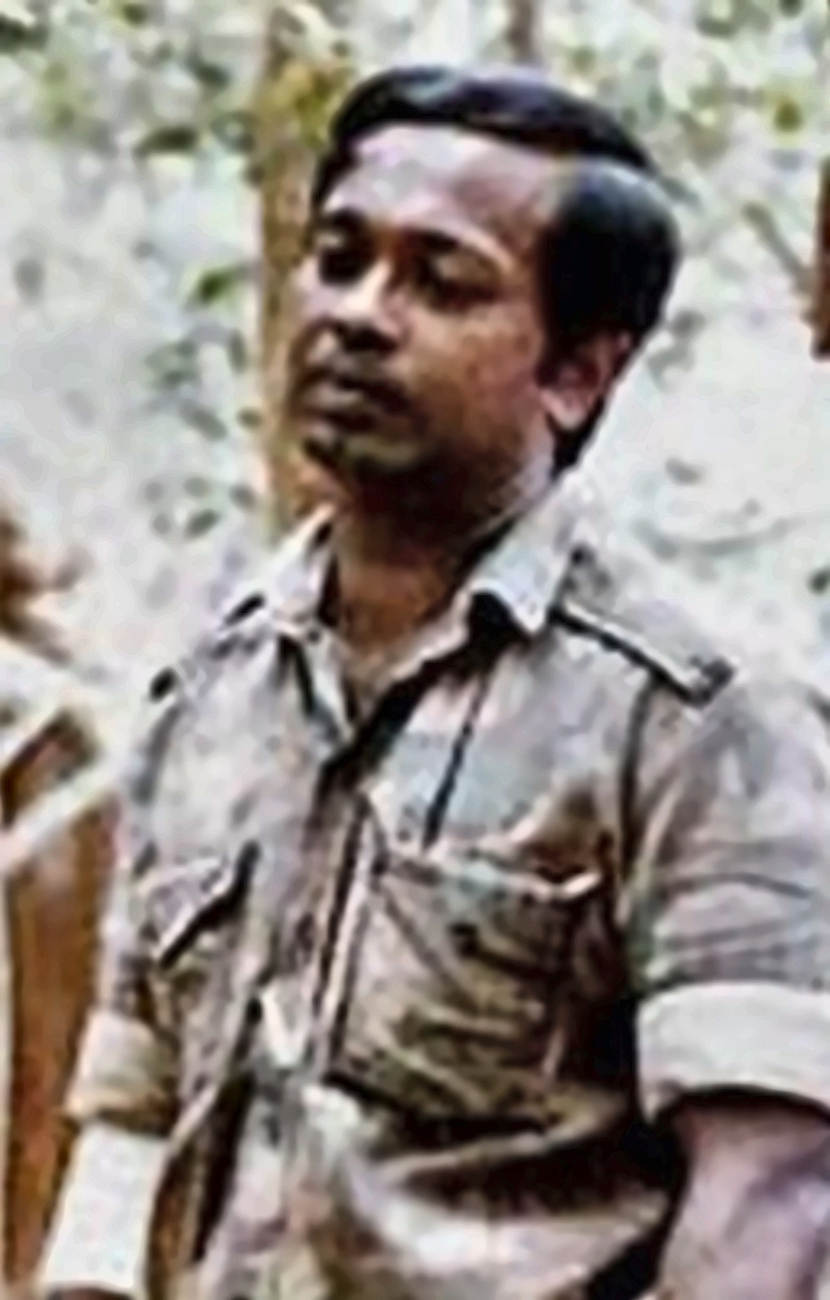
Only around 40 days had passed since fighting began between the Indian Army and the LTTE. The operation was led by the LTTE's deputy leader Mahattaya, with Colonel Shankar and Raheem playing important roles. Theepan, then a young fighter who would later become a significant frontline commander, also participated.
The Indian Army had arrived in Sri Lanka following the Indo–Sri Lanka Accord with the stated purpose of maintaining peace. Within a few months, however, it was engaged in direct warfare with the LTTE. Disagreements over disarmament, the security of Tamils, political rights and the implementation of the accord led to the confrontation.
Following the launch of Operation Pawan on 10 October to capture Jaffna, intense battles took place across the peninsula. LTTE units fought on several fronts against large Indian formations and armoured vehicles. Both sides sustained heavy losses, and civilians suffered greatly.
At one stage in the fighting, four vehicles that had separated from an Indian military convoy heading towards Jaffna came under LTTE attack. Five soldiers of the Mahar Regiment were killed, and the remaining 18 were captured.
Even after the Indian Army brought key parts of Jaffna city under its control, those soldiers remained in LTTE custody. As efforts to ease the war began, the LTTE agreed to release the prisoners.
The LTTE requested that Indian journalists be allowed to witness and document the handover, and that its member Raheem, who was under house arrest in India, be permitted to take part.
The Indian Army accepted the request and flew 15 Indian journalists and Raheem from Tambaram airfield near Chennai to Jaffna on a special military aircraft.
The 18 soldiers were not released at a single location. They were divided into two groups and handed over at Chavakachcheri and Uduvil.
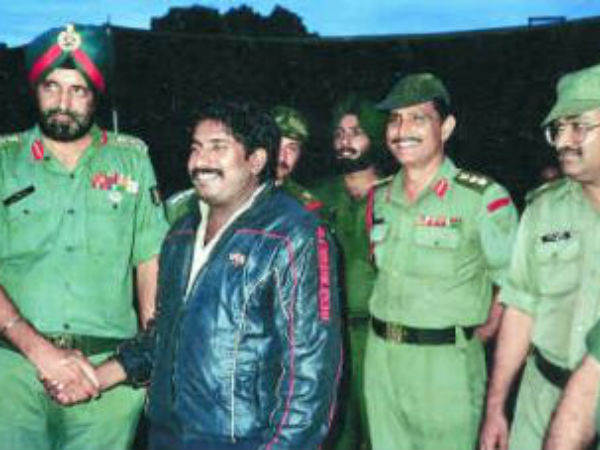
After the prisoners were released at Chavakachcheri, Mahattaya spoke to Indian journalists. Colonel Shankar and Raheem stood beside him, while a young Theepan could be seen behind them. A photograph taken during that meeting remains an important historical record of the event.
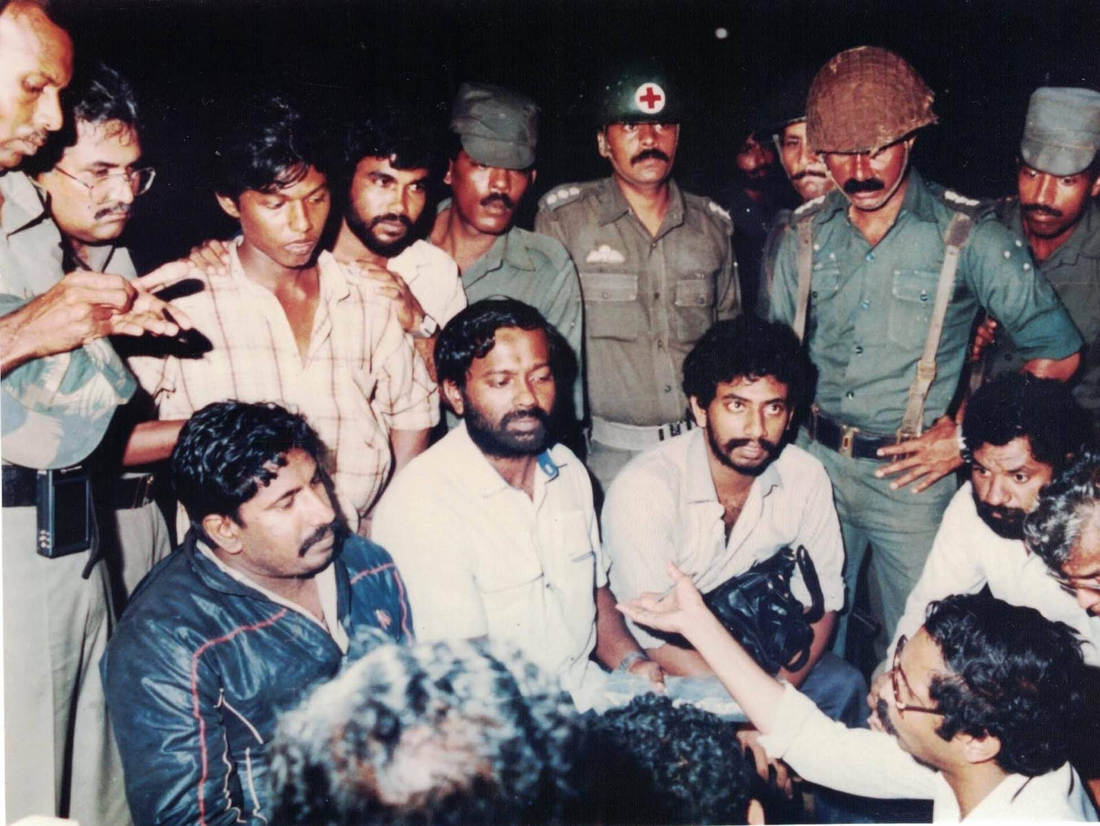
Raheem's background in the struggle is also significant to the story of the prisoner release.
Raheem joined the LTTE in 1983 and received training in the second military training batch organized by Indian security forces in Himachal Pradesh, India.
Following the anti-Tamil violence in Sri Lanka in 1983, Tamil militant organizations received military training in India. Raheem was among the early fighters trained during that period.
He later took on various responsibilities within the LTTE and participated in communications with India. When war broke out between the Indian Peace Keeping Force and the LTTE, he was placed under house arrest in Tamil Nadu alongside Kittu, who had been the LTTE's Jaffna commander.
A notable feature of the event was that the same Indian Army that had kept Raheem under guard in India brought him to Sri Lanka to facilitate the release of its soldiers.
A photograph also records Raheem walking alongside Indian Army officers during the prisoner handover. After the event, he was taken back to India and placed under house arrest once more.
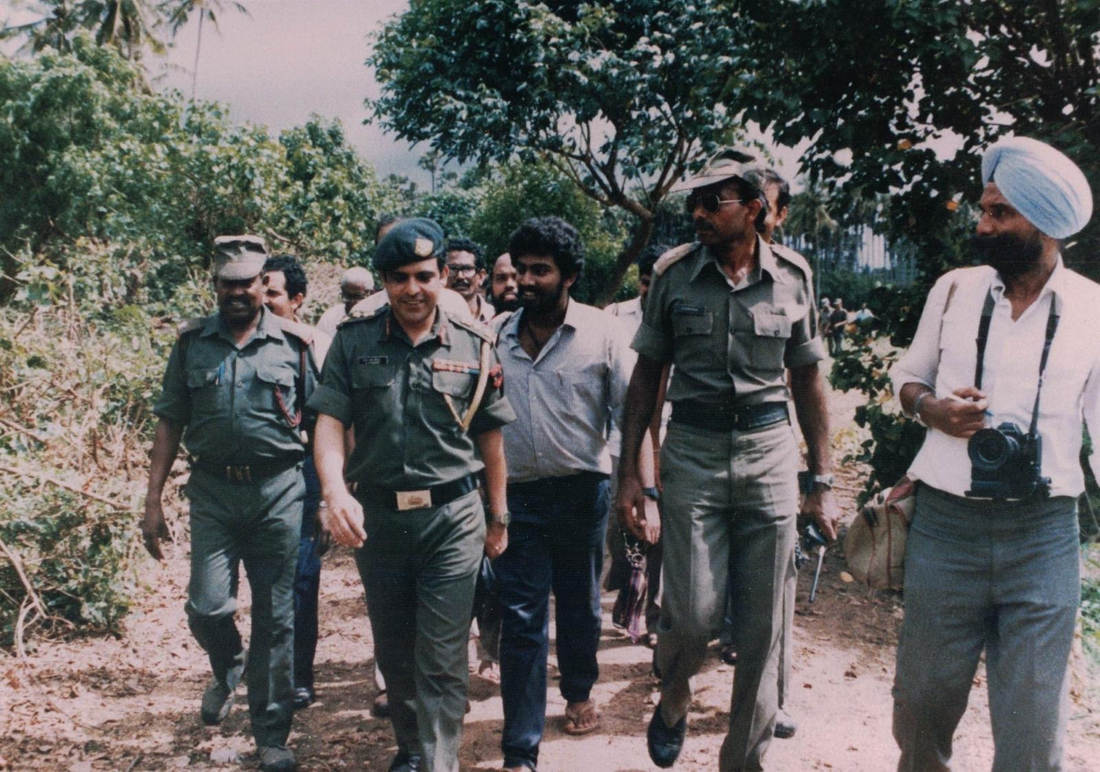
Among the key Indian officers leading military operations in Jaffna at the time was Brigadier Manjit Singh.
Commanding the Indian Army's 41st Infantry Brigade, Manjit Singh was responsible for establishing a land connection with Indian troops stationed at Jaffna Fort.
Despite fierce LTTE resistance, he advanced his forces and established contact with the Indian troops at the fort. He was awarded the Maha Vir Chakra, India's second-highest gallantry decoration, for the courage he displayed in this operation.
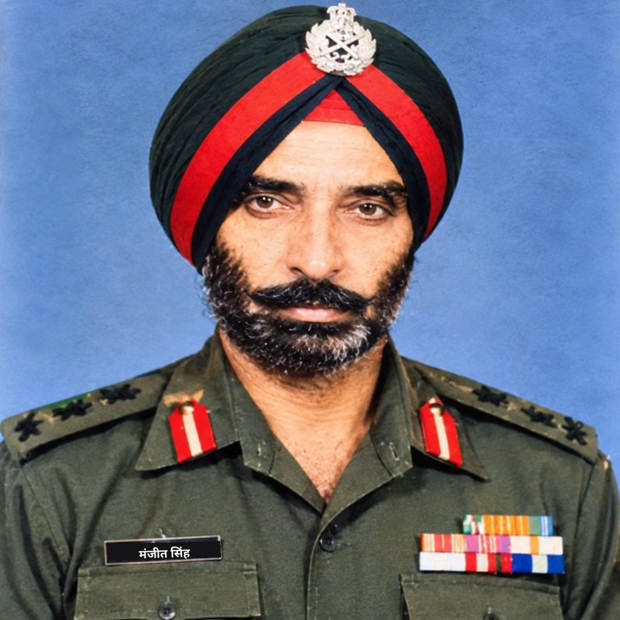
Manjit Singh, who also held military responsibility for Jaffna city, was known for issuing firm orders and operating directly at the front. When his brigade was later replaced, Brigadier J. S. Dhillon assumed that responsibility.
Before the prisoners were released, Brigadier R. I. S. Kahlon, an Indian Army officer in Jaffna, was also involved in communications between the Indian Army and the LTTE. Mahattaya had written to him, while efforts were being made to revive a ceasefire and negotiations.
Two days after the release of the 18 soldiers, the Indian government announced a 48-hour ceasefire starting at 7 a.m. on 21 November.
K. Natwar Singh, then India's Minister of State for External Affairs, described the prisoner release as a positive development in the Indian Parliament. On behalf of the LTTE, Mahattaya welcomed the ceasefire and said his side was prepared to halt attacks if the Indian Army stopped its operations.
However, the two sides could not agree on LTTE demands, including a withdrawal of Indian forces to the positions they had held before the war began. Fighting resumed after the ceasefire ended.
After capturing Jaffna, the Indian Army extended its operations into the dense forests of the Vanni. The LTTE changed its methods of warfare, making greater use of mines, ambushes and movements by small units.
In 1988, the Indian Peace Keeping Force launched major operations, including Trishul and Virat. Fighting across the Vanni, Mullaitivu and other parts of the North and East continued until the Indian Army's complete withdrawal from Sri Lanka in March 1990.
The later lives of those who participated in the prisoner release also became distinct chapters in the history of the Tamil Eelam armed struggle.
Mahattaya, who had served as LTTE deputy leader and held major military and political responsibilities, was arrested in 1993 after being accused of maintaining links with an Indian intelligence agency and plotting against the organization's leadership.
He was subsequently executed by the LTTE on 28 December 1994.
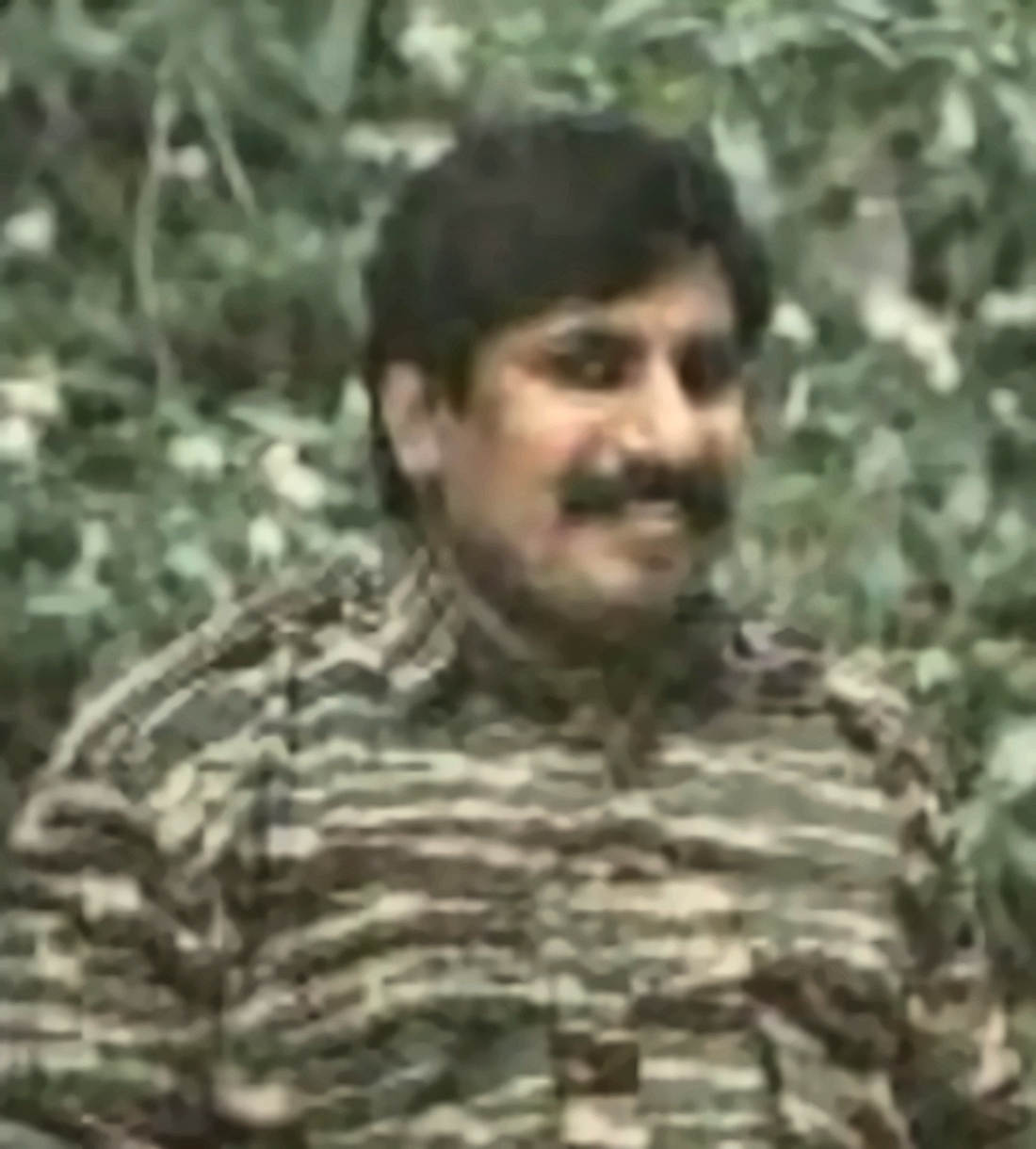
Colonel Shankar, whose birth name was Vaithiyalingam Sornalingam, was an important early LTTE member and a close associate of its leader, Velupillai Prabhakaran.
He played an important role in the development of the LTTE's naval and air wings and later held responsibilities in military intelligence.
On 26 September 2001, the vehicle carrying Shankar was struck by a Claymore mine attack in the Oddusuddan area. He died in the attack. The LTTE accused a deep-penetration unit of the Sri Lankan Army of carrying it out.
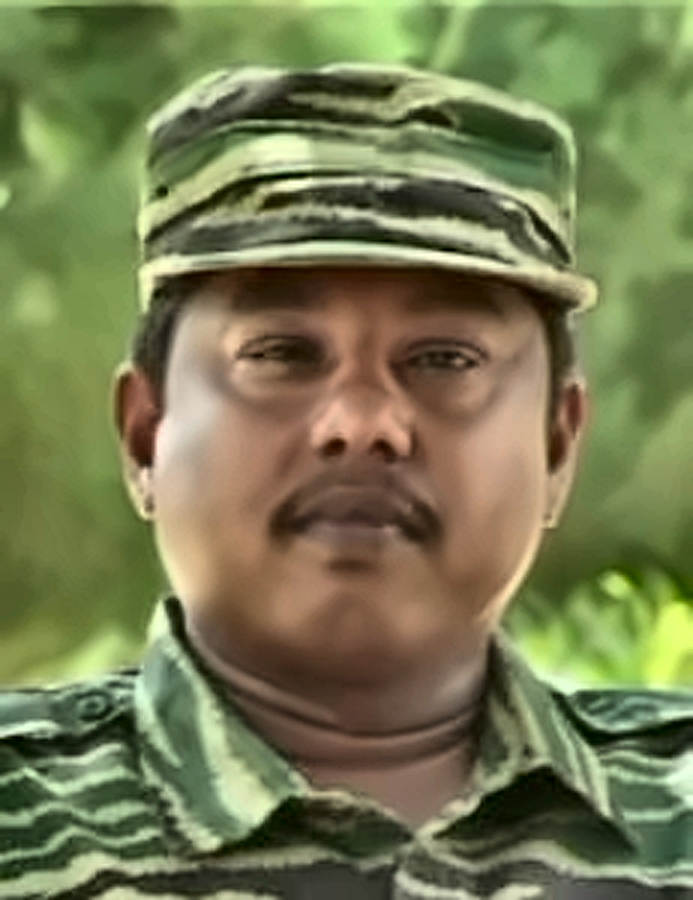
Theepan, who appeared as a young fighter at the Chavakachcheri event, later rose to become one of the LTTE's major frontline commanders.
Born Velayuthapillai Bhagirathakumar, Theepan held important responsibilities on several fronts, including Jaffna, Kilinochchi and the Vanni. He led numerous battles and occupied a leading role in the LTTE's northern military command.
In the fierce battle that began in late March 2009 and continued until 5 April around Anandapuram, Puthukkudiyiruppu, senior LTTE commanders and fighters were caught within an encirclement by the Sri Lankan Army.
Theepan and other commanders fought back with their units. Theepan died on the Anandapuram battlefield on 4 April. Following his death, the LTTE posthumously promoted him to the rank of Brigadier.
Manjit Singh, who had led Indian military operations in Jaffna, later retired from the Army and lived for some years in the United States. He subsequently returned to India and died in January 2020 at the age of 78.
Thus, the lives of those who held military responsibilities on opposing sides at the time of the prisoner release followed different paths.
The Indian military presence, which began with hopes that the Indo–Sri Lanka Accord would bring peace, ultimately turned into a war that caused major casualties on both sides and widespread destruction in the Tamil homeland.
The release of 18 Indian Army soldiers at Chavakachcheri and Uduvil during the war's early phase created an opportunity for a ceasefire, but did not resolve the political disagreements.
Nevertheless, the release of captured opposing soldiers amid intense fighting remains a notable chapter in the history of the war between the Indian Army and the LTTE.
Reader Comments
Loading comments…