
ARTICLES · EELAM HISTORY · HISTORICAL RESEARCH SERIES
The Adampan Battle – Commander Victor’s Death in Battle and the Handover of Soldiers’ Bodies

Eelam Mannin Suvadugal – Historical Research Series
Dear friends and family,
12 October 1986 was a day that recorded several important events in the history of the Tamil Eelam liberation struggle.
In a direct confrontation with Sri Lankan troops in Adampan, in Mannar District, Marusaleen Piuslas, known as Victor, then the Liberation Tigers of Tamil Eelam’s Mannar District commander, fell in battle. Two Sri Lankan soldiers were captured alive, and the bodies of nine soldiers were also taken into custody.
Women fighters also took part directly in that confrontation. Radha, Suban, Bhanu, Shajahan and several others who operated alongside Victor on the battlefield that day subsequently held important military responsibilities within the LTTE.
However, the significance of the Adampan confrontation did not end with the fighting that took place there.
The subsequent handover of the nine soldiers’ bodies to the Sri Lankan Army at Jaffna Fort, and the negotiations between the Sri Lankan Government and the LTTE to secure the release of the two soldiers captured alive, followed by a prisoner exchange, were also important events in the history of the Eelam war. As a complete account of this history would be very long, this article will examine a brief history of Victor, who fell on the battlefield, and provide a detailed account of the handover of the soldiers’ bodies.
Who Was Victor?
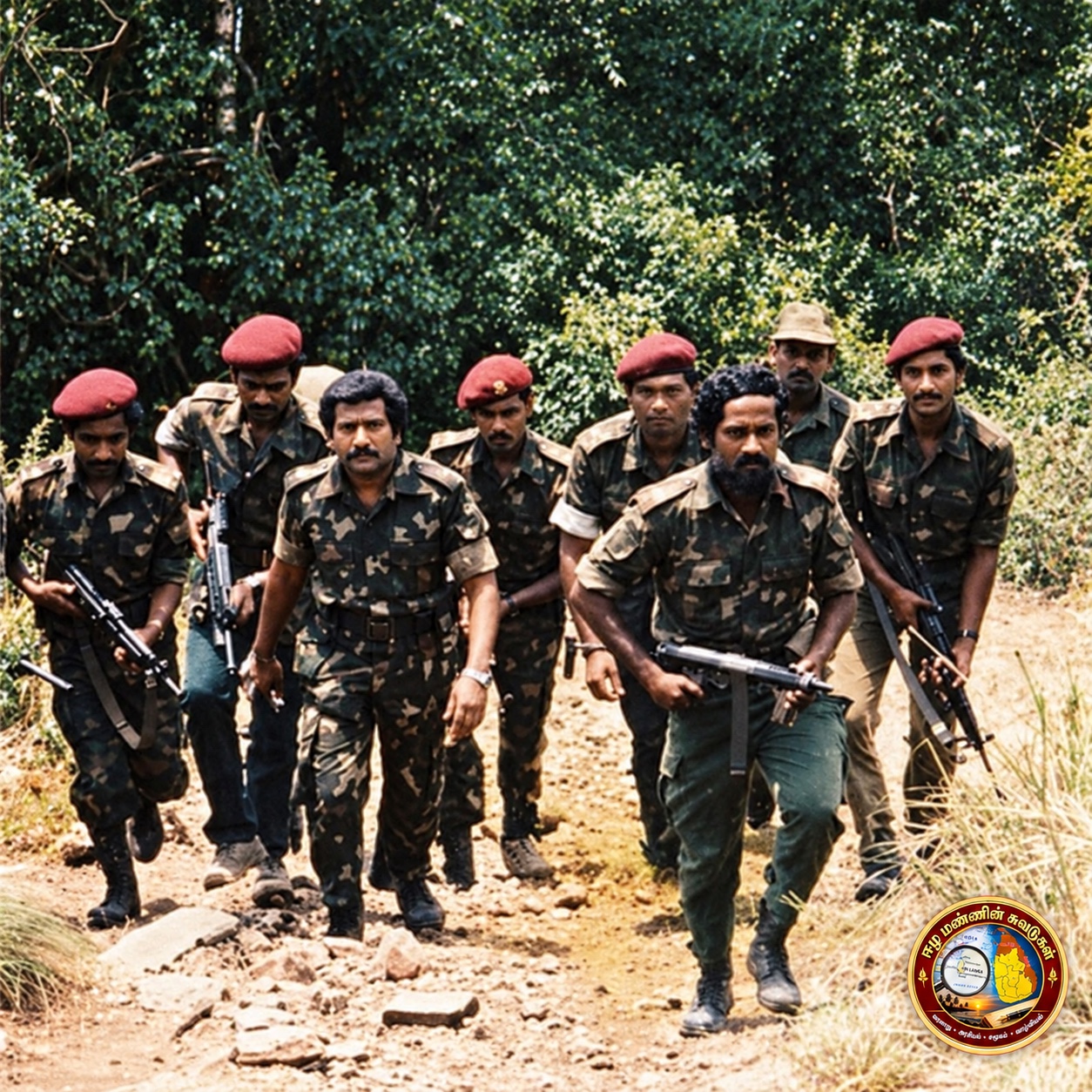
Marusaleen Piuslas, born on 24 November 1963 and a resident of Panankattikottu in Mannar District, became known as Victor after joining the LTTE towards the end of 1981.
Observing his determination and activities, the organisation’s leadership subsequently sent him to a training camp established in the forests of Mullaitivu.
Victor trained at that camp alongside Lingam, Pottu, Basheer, Ranjan, Ganesh, Anand and others.
At that time, Velupillai Prabhakaran provided training directly, while senior members including Sellakkili Amman, Seelan, Kittu, Ranjan Lala and Pulendran also worked alongside the new members.
Victor’s life in the struggle began at that training camp and later extended to areas including Ilavalai in Jaffna, and subsequently to Mannar District.
Victor took part alongside Sellakkili Amman and Appaiya Annai in the preparations for the attack on Sri Lankan troops at the Thirunelveli postbox junction on 23 July 1983. He was also one of the fourteen who participated directly in that successful attack.
Afterwards, at the first training camp in Uttar Pradesh where Indian armed forces trained LTTE members, Victor was one of ten senior fighters selected as group leaders under Ponnamman’s leadership, and successfully completed his training.
Later, under the leadership of Sadasivam Krishnakumar, known as Kittu, who had completed training at the same camp, fighters returned to their homeland. Alongside Sellasamy Konesan, known as Aruna, Chithiravel Chitrampalam, known as Ganesh, and Shanmuganathan Sivasankar, known as Pottu, Marusaleen Piuslas, known as Victor, arrived in Jaffna District leading a group of seven.
Following the death in battle on 9 January 1985 of Pandithar, who at that time was responsible for all Tamil Eelam territories, the LTTE divided its administrative units into five: Jaffna, Vanni, Mannar, Trincomalee and Batticaloa–Amparai.
Victor then assumed responsibility for Mannar District after its first commander, Rajesh.
He subsequently played an important role in many operations conducted in Mannar District.
The Attack on Mannar Police Station
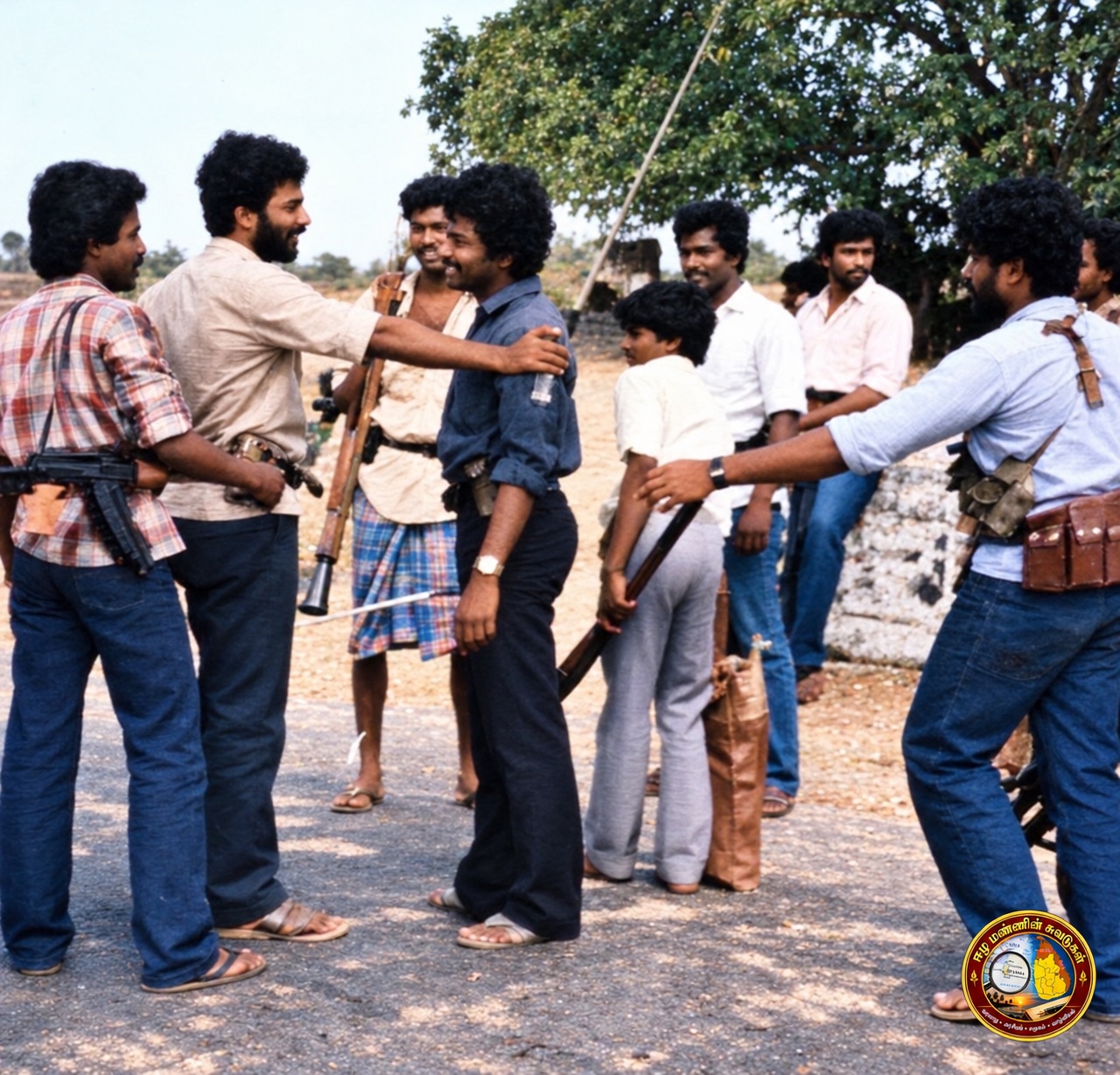
Victor’s contribution to the attack on Mannar Police Station on 10 May 1985 was significant.
In that attack, led by Victor, those who participated alongside him included Radha, Prabha, Shajahan, Kumarappa and Jananan, together with RPG Abdullah, Arjuna, Reegan, known as Paruthi, Johnson, Rahim, who handed over the nine soldiers’ bodies, Venu, Bhanu and others.
Raghu, Palani, David and others also undertook the boat journey with them under Raviyappa’s leadership.
The First Seaborne Landing and Attack
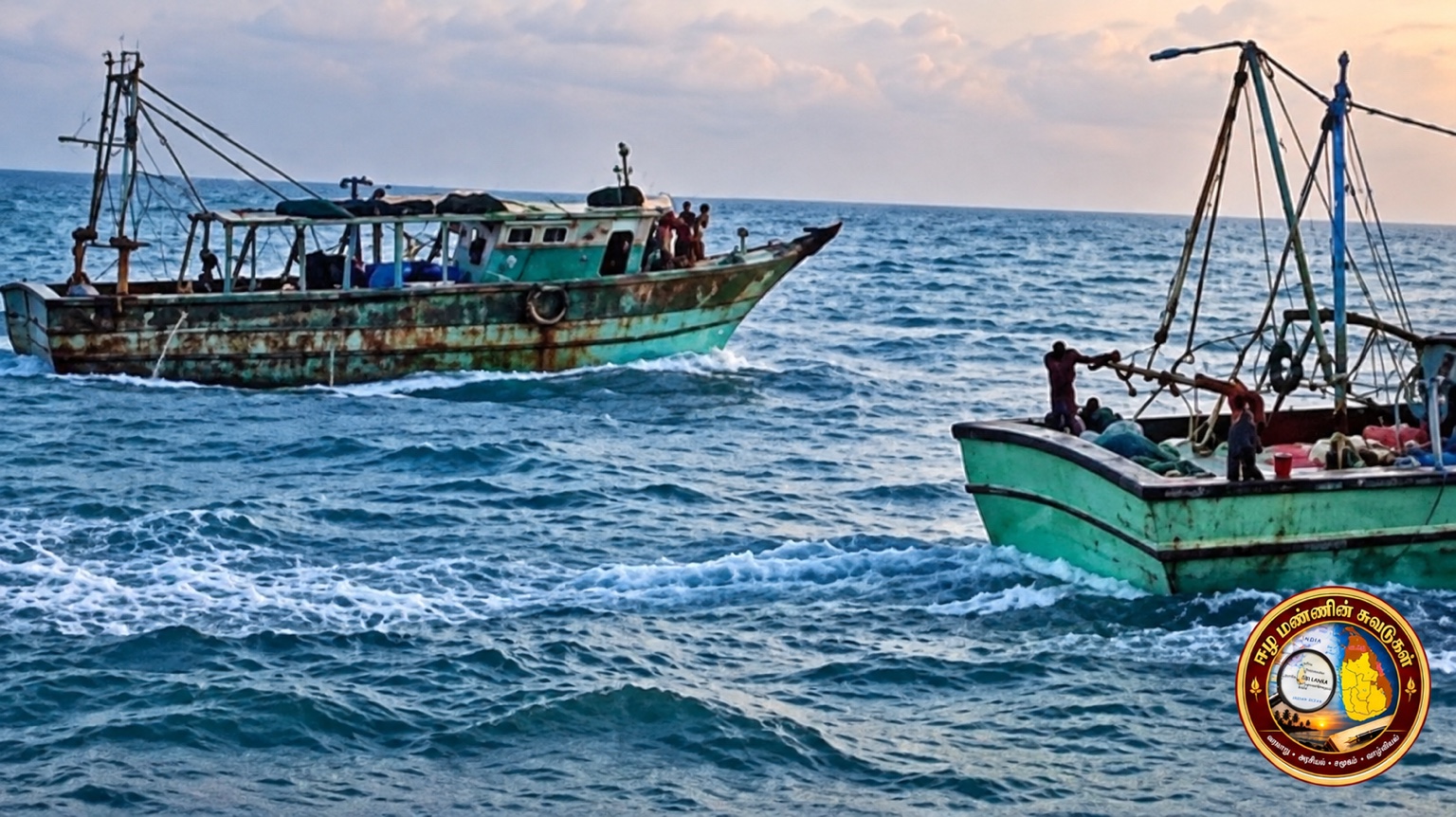
About eighty fighters departed from Iluppaikadavai in four boats, landed at Uchimunthal, crossed an area filled with mud and salt water, and entered Mannar town.
In this way, the attack became the first seaborne landing assault in the history of the Eelam war.
During this attack, Vasu’s unit was responsible for blocking troops who might come from Thalladi Army Camp to assist Mannar Police Station; Doctor Vijan also joined that unit. At the conclusion of the attack, weapons were seized and two police officers surrendered.
Thus, although the attack on Mannar Police Station led by Commander Victor was the first occasion on which two members of the state forces were captured alive, they were released in Vanni without any conditions.
Commander Victor continued to coordinate the LTTE’s military operations in Mannar District while also undertaking tasks such as training new fighters, creating community organisations and explaining political ideas.
Beyond being a courageous field commander, Victor was also someone who treated those who worked with him affectionately and maintained close relationships with the public.
Victor’s life, during which he led the LTTE in Mannar District, came to an end in the confrontation at Adampan on 12 October 1986.
At that time, Sri Lankan troops from Thalladi Army Camp in Mannar District were advancing into various areas to conduct search and encirclement operations.
Accordingly, in the early hours of 12 October 1986, LTTE units under Victor’s leadership began a battle against Sri Lankan troops advancing into Adampan.
The units moved through Karukkaikulam, Andankulam, Nayattruveli and Thamaraikulam, inflicting heavy losses on the advancing Sri Lankan troops.
Alongside Commander Victor, who coordinated and led these units, Shajahan, Bhanu, Muthu, Suresh, Raju, Naren, Thiyagu and Kili operated on different fronts. Hundreds of fighters, including women fighters led by Deepa, fought Sri Lankan troops on various fronts.
In particular, a large number of women fighters were part of the unit led by Shajahan that advanced through Nayattruveli and across Thamaraikulam. At the same time, several women fighters under Anoja’s leadership also entered the field on the same front along which Commander Victor, who coordinated and led this attack, advanced.
By directly confronting Sri Lankan troops alongside male fighters on various fronts, the women fighters made the Adampan battle of 12 October 1986 a historically significant engagement in which the LTTE’s women’s unit participated in direct combat for the first time.
During the intense fighting between the Sri Lankan Army and the LTTE in Adampan, helicopters were also used to support the Sri Lankan troops.
During this confrontation, Commander Victor, who was operating on the battlefield, was struck by gunfire in the chest and died.
A fighter named Rome also fell in battle alongside him.
Victor’s death was a major loss for the LTTE at the time, particularly for the fighters operating in Mannar District.
Having joined as an early member of the organisation, risen to become a district commander and led numerous operations in Mannar District, Victor’s life ended in the Adampan confrontation.
The LTTE subsequently awarded the rank of Lieutenant Colonel to Victor for the first time. As the vehicle carrying his body was taken in procession through many villages and towns in Jaffna, people gathered on both sides of the roads and scattered flowers in final tribute. His body was also placed at Nada’s house in Ariyalai for the public to pay their respects.
However, the Adampan confrontation did not end with Victor’s death.
Two members of the Sri Lankan Army were captured alive in that battle.
One was Second Lieutenant Ajith Chandrasiri. The other was K. W. Bandara.
The bodies of nine Sri Lankan soldiers were also taken into custody by the LTTE.
The capture of soldiers alive attracted considerable attention at that time.
In a conflict that had until then largely consisted of attacks and counterattacks, the Sri Lankan Government also faced, for the first time, the question of how to secure the release of soldiers who had been captured alive.
The nine soldiers’ bodies taken into custody at Adampan and the two soldiers captured alive were brought to Jaffna.
As the news spread, large numbers of people gathered there as well.
The soldiers’ bodies were placed on Nallur Road for public viewing, and the two soldiers captured alive were also shown to the public.
The Handover of Nine Soldiers’ Bodies – Rahim’s Contribution
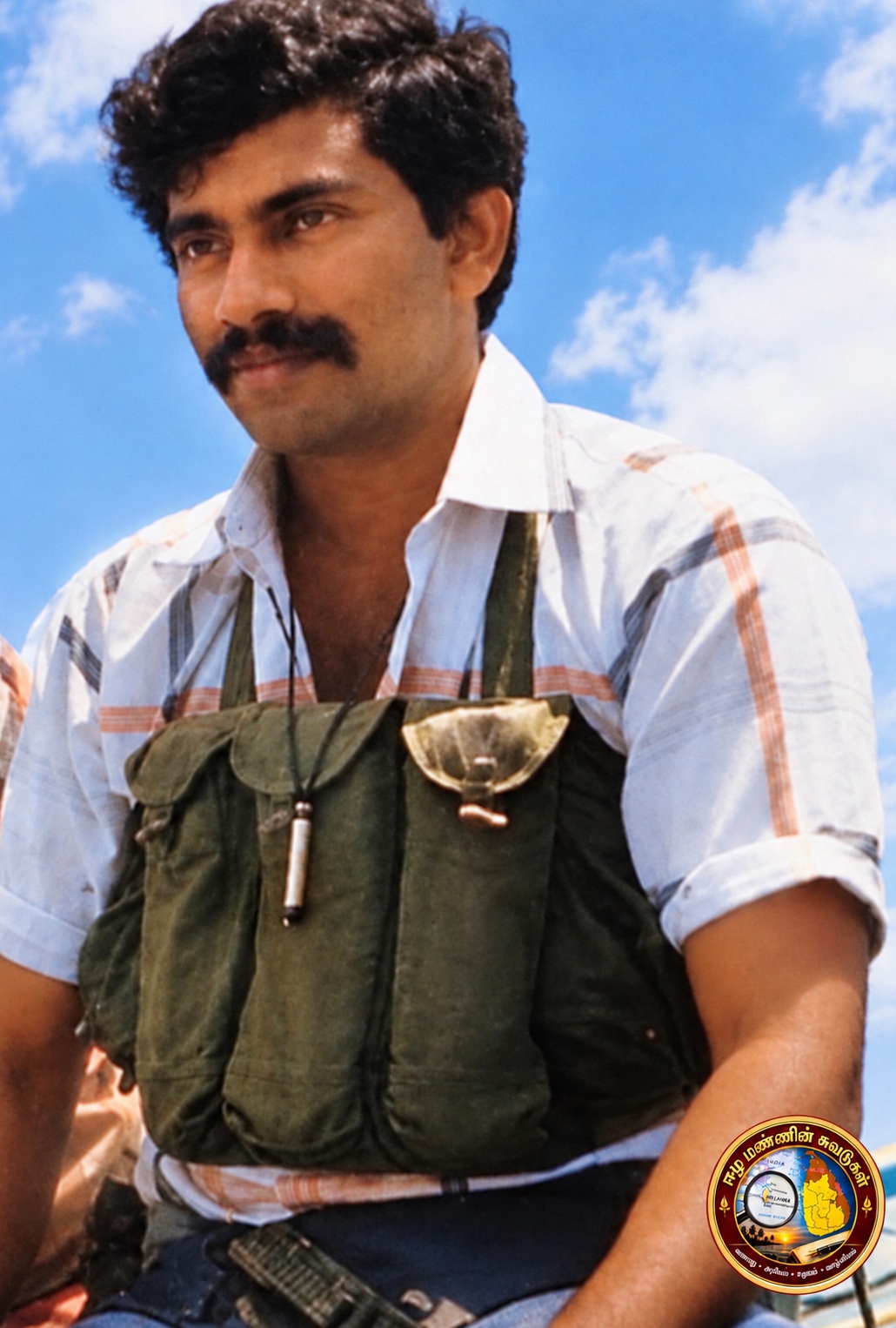
In these circumstances, Kittu, then the LTTE’s Jaffna commander, took steps with the captured soldiers’ safety and condition in mind.
Rahim, who served as an LTTE spokesman at the time, could speak Tamil, Sinhala and English fluently.
On Kittu’s instructions, Rahim assumed responsibility for establishing contact with the Sri Lankan troops stationed at Jaffna Fort.
Using a telephone at the home of a political figure’s sister in Jaffna, Rahim contacted the Army camp at the Fort and spoke to Captain Kotelawala, who was serving there.
After speaking to him, Rahim put the two soldiers who had been captured alive on the telephone.
Historical accounts of the incident say that Captain Kotelawala reassured the soldiers, who told him they were alive, and discussed their safety.
Kotelawala then spoke to Rahim again and reportedly asked what they intended to do with the soldiers’ bodies taken into custody at Adampan.
Rahim replied that, if the Sri Lankan Army wanted the bodies, he would bring them and hand them over.
Captain Kotelawala said he would speak to his superiors and contact him again, and consulted Colonel Ananda Weerasekara.
He subsequently contacted Rahim and informed him that they were prepared to receive all nine soldiers’ bodies.
Arrangements then began for handing over the bodies at Jaffna Fort.
However, under the circumstances prevailing at the time, this was not an ordinary undertaking.
Jaffna Fort was under the Sri Lankan Army’s control. The LTTE held positions in the areas surrounding the Fort.
With fighting continuing between the two sides, both knew the risks involved in entering Army-controlled territory to hand over the bodies.
There was also the possibility that the fighters transporting the bodies could be arrested.
Nevertheless, with Commander Kittu’s permission, Rahim accepted the responsibility.
For that journey, in addition to his own cyanide capsule, he obtained another fighter’s cyanide capsule from nearby and wore it as well.
The bodies of the nine soldiers were then placed in coffins and loaded onto a small truck.
The vehicle was brought as far as the LTTE’s frontline positions near Jaffna Fort.
From there, Rahim walked alone towards the Fort’s gate.
He informed the Army officers there that he had come unarmed and that the bodies of nine soldiers had been brought for handover.
Final arrangements for the handover were then made with Colonel Ananda Weerasekara and Captain Kotelawala.
The truck carrying all nine soldiers’ bodies was subsequently brought to the gate of Jaffna Fort, and the bodies were handed over to the Sri Lankan Army.
This event constituted a notable humanitarian action in the history of the Eelam war at that time.
Yet Victor, who had led the Adampan battle that gave rise to these events, lay silent with his eyes closed.
Swami Shankarananthaa 🙏
Reader Comments
Loading comments…