
canada
Alberta Separation Referendum: ‘Stakes Are High,’ Carney Says as He Calls for Canadian Unity
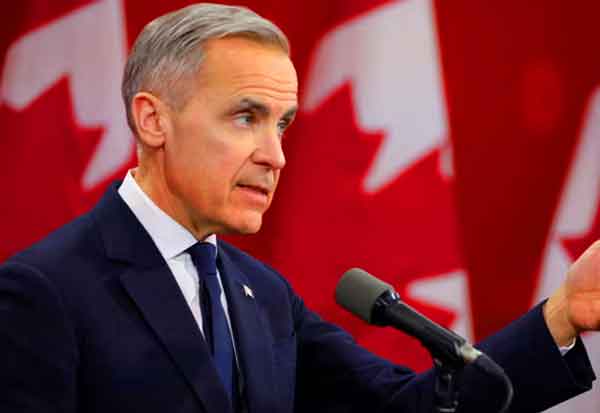
Calgary, October 16, 2026
Prime Minister Mark Carney has urged Albertans to vote for the province to remain in Canada as a referendum on Alberta’s future approaches. Warning that the stakes are high, he called on voters to deliver a clear result against separation.
Speaking at a pro-Canadian unity rally in Calgary on Thursday, October 15, Carney said that creating further divisions within Canada, at a time when the world is becoming more dangerous and divided, would put the country’s future at risk.
Although opinion polls suggest that a majority of Albertans favour remaining in Canada, he cautioned voters against assuming that the outcome has already been decided. He stressed that participation at the polls will determine the final result.
The referendum scheduled for Monday, October 19, is not a direct vote that would immediately take Alberta out of Canada. Instead, voters are being asked whether Alberta should remain a Canadian province or whether the provincial government should begin the legal process required to hold a future binding referendum on separation.
Question 10 offers two choices. The first is for Alberta to remain a province of Canada. The second is for the Government of Alberta to commence the legal process required under the Canadian Constitution to hold a binding provincial referendum on whether Alberta should separate from Canada.
Elections Alberta has made clear that the result of the current vote on this question is non-binding. A majority for the second option would therefore not make Alberta an independent country. It would express voters’ preference for beginning the next legal and constitutional steps.
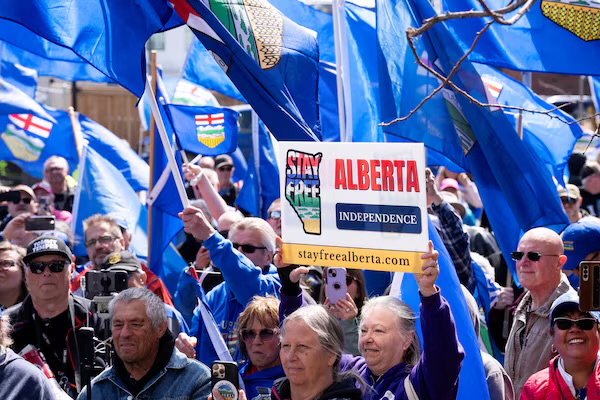
In oil- and gas-rich Alberta, the division of powers with the federal government and the direction of energy policy have long been subjects of political debate. Supporters of separation argue that, despite the province’s substantial contribution to Canada’s economy, policies adopted in Ottawa have held back Alberta’s development.
They contend that the federal government’s emphasis on environmental restrictions has obstructed expansion in the oil and gas industry. In their view, independence would give Alberta greater control over its resources and revenue.
Opponents warn that a move toward separation could bring prolonged economic uncertainty. They point to possible disputes over the division of debt, the future of investment and employment. These are arguments about the risks that they believe separation could entail.
Carney acknowledged in his speech that the frustrations felt by many Albertans are real, while saying that his government is prepared to support the province and its energy industry. He has also highlighted efforts to accelerate the approval process for a new oil pipeline from Alberta to Canada’s Pacific coast.
As Canada faces pressure from trade measures imposed by U.S. President Donald Trump, Carney has stressed the need to diversify export markets and strengthen the country’s economy.
Alberta Premier Danielle Smith, who announced the referendum, supports the province remaining in Canada. She has stated that building a strong Alberta within a united Canada is the position of her government and the United Conservative Party caucus. While she wants efforts to protect provincial rights to continue, she has made clear that she does not regard separation as the answer.
First Nations’ treaty rights are also central to the debate. The Alberta government has described a court ruling concerning the need for consultation about potential effects on those rights. The province said it would appeal that ruling and argued that the current referendum does not itself bring about separation.
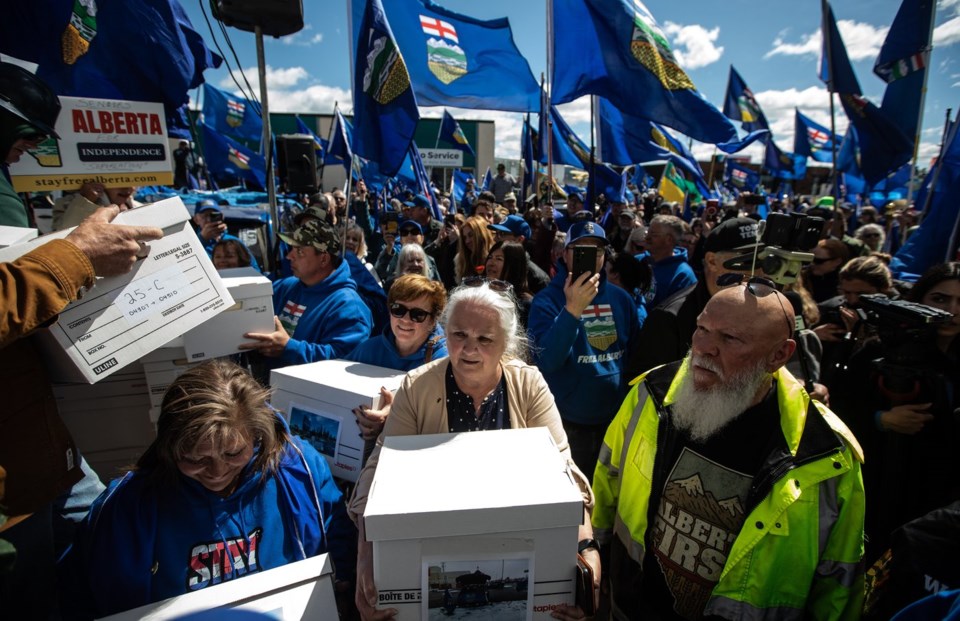
The October 19 referendum includes ten questions in total. In addition to the question concerning separation, voters are being asked about immigration, eligibility for provincially funded services, proof of citizenship for voting and the division of powers between the federal and provincial governments.
Advance voting began on October 13 and continues through Saturday, October 17. On the main voting day, October 19, polling places will be open from 9 a.m. to 8 p.m., Alberta local time.
According to Elections Alberta, eligible voters must be Canadian citizens, at least 18 years old on voting day and ordinarily resident in Alberta.
Ballots will be counted by hand, with Question 10 counted first. The unofficial count must be completed within 48 hours after voting closes. Following verification, official results are scheduled to be announced at 10 a.m. on October 29.
Reader Comments
Loading comments…