
ARTICLES · GENERAL
Come Out of the Dravidian Illusion That Distorts Deepavali as a Festival That Does Not Belong to Tamils!
Swami Shankaranandaa
Editor-in-Chief – Eelam Mannin Suvadugal
November 7, 2026
Whenever Deepavali approaches, some Dravidian thinkers begin repeating the old argument that it is not a festival for Tamils. They continue to divide the religious beliefs and festivals of Tamil people according to their political ideology, attempting to decide which celebrations belong to Tamils and which do not.
Must a Tamil belong to a particular religion? Or must a Tamil subscribe to a particular political ideology?
Tamil is a language, and Tamils are people who speak it as their mother tongue and regard it as part of their identity. Among Tamils are Hindus, Muslims and Christians, as well as followers of other faiths and people who follow no religion. Differences in beliefs and forms of worship do not erase their Tamil identity.
For Muslim Tamils, who worship one God, the festival of Eid marking the end of the Ramadan fast is a celebration associated with their religious faith. For Christian Tamils, Christmas, celebrating the birth of Jesus Christ, is similarly connected to their faith.
Likewise, for Hindu Tamils who revere Shiva, Vishnu, Murugan, Ganesha, Shakti and other deities, festivals such as Pongal, the Chithirai New Year and Deepavali are connected to their religious beliefs and traditions of worship.
A Muslim Tamil does not cease to be Tamil by celebrating Eid. A Christian Tamil does not cease to be Tamil by celebrating Christmas. Why, then, should a Hindu Tamil lose that identity simply by celebrating Deepavali? Those Dravidian thinkers who say Deepavali is not a Tamil festival must first understand this.
In the October 16, 1938 issue of *Kudi Arasu*, E. V. Ramasamy, known as Periyar, wrote a sharply mocking criticism of Deepavali. Rejecting its mythological background, he also criticised the expenditure incurred by Hindus for the festival.
At the conclusion of that article, he expressed his wish that Dravidians, whom he described as the true Tamil people, should not celebrate Deepavali.
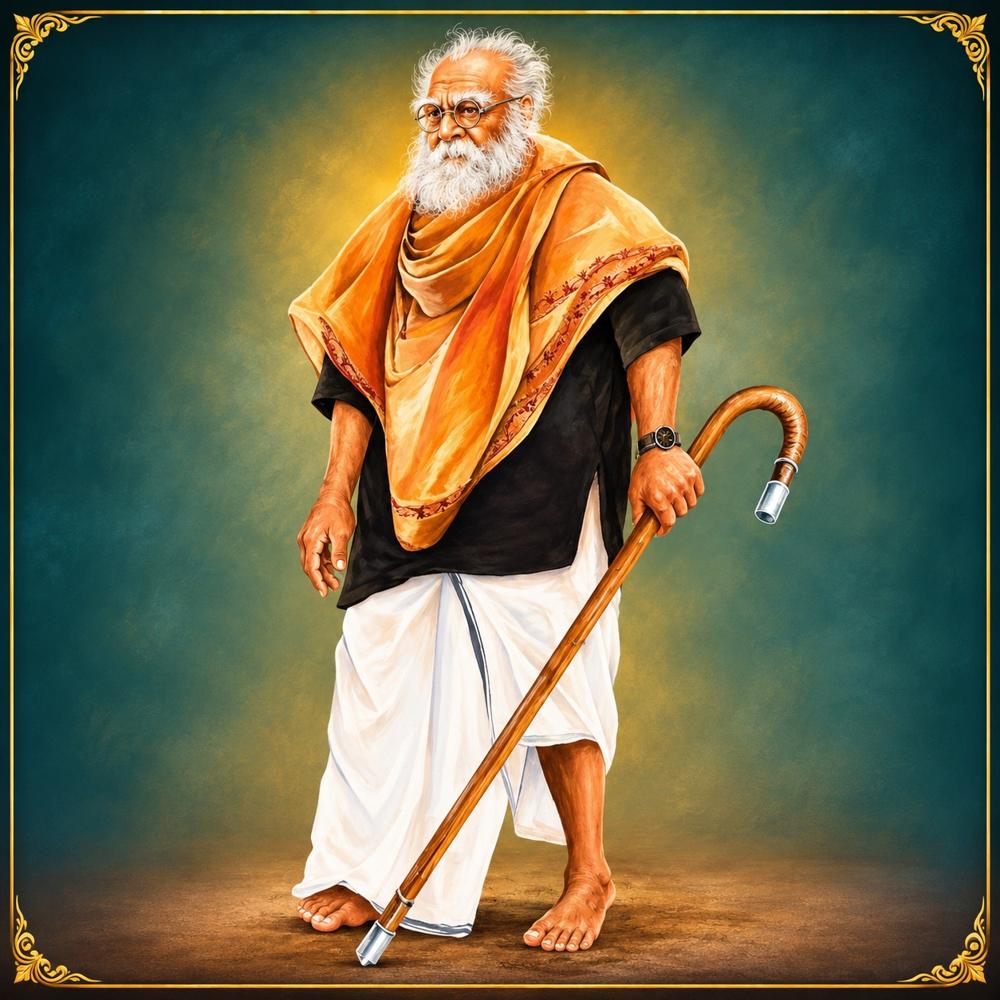
This is where a question must be put to Periyar and to those who continue to follow his ideas.
Who was Periyar to determine whether a Tamil who celebrates Deepavali is a true Tamil?
Who gave him the authority to decide the religious beliefs and festivals of Tamil people?
Tamils do not need to accept the views of a political leader to worship the deities revered by their ancestors for generations or to continue the festivals celebrated in their families.
Hindu Tamils who reject Periyar’s opposition to religion are Tamils too.
Ridiculing their beliefs as superstition, or saying their festivals are rooted in mythological stories, cannot erase their religious history.
For centuries before the Dravidian movement arose, Tamils had worshipped Shiva, Vishnu, Murugan and Shakti.
The Shaivite Nayanmars and Vaishnavite Alvars composed devotional hymns in Tamil.
The *Thevaram*, *Thiruvasagam* and *Nalayira Divya Prabandham* remain important works of Tamil religious literature.
The long-standing relationship between Hinduism and Tamil people cannot be hidden, nor can Tamil religious history be rewritten as though it began with the emergence of the Dravidian movement.
The same Dravidian thinkers present Pongal as a common festival of Tamil people, but when it comes to Deepavali, they declare that it is not a Tamil festival.
If both Pongal and Deepavali are connected with the religious beliefs of Hindu Tamils, what is the justification for embracing one as a Tamil festival while rejecting the other?
Offering Pongal to the Sun God on Thai Pongal and honouring the cattle that help farmers during Mattu Pongal are longstanding traditions among Hindu Tamils. Nobody denies Pongal’s connection with farming and the harvest. At the same time, its associated Hindu practices of worship cannot simply be ignored.
There is nothing wrong with Tamils of other religions celebrating Pongal. But that does not require removing Pongal’s Hindu religious background and portraying it solely as a festival without religious associations.
The Chithirai New Year, Deepavali, Thaipusam, Shivaratri, Navaratri and Kanda Sashti also form part of the religious lives of Hindu Tamils. Tamils need nobody’s permission to celebrate them.
The mythological traditions associated with Deepavali vary from one part of India to another. In Tamil Nadu, Deepavali is associated with the tradition concerning Krishna’s defeat of Narakasura.
In some parts of northern India, Deepavali is celebrated in association with Rama’s return to Ayodhya.
One may accept or reject these mythological traditions.
But there is no justification for claiming that people who accept these traditions and celebrate the festival are not Tamils.
In Tamil Hindu households, Deepavali is more than a festival associated with a mythological story. It is also a joyful day of taking an early-morning oil bath, wearing new clothes, worshipping God and sharing sweets and savouries with relatives.
There is also a Tamil custom of celebrating the first Deepavali after marriage as *Thalai Deepavali*.
Such customs, which bring parents, children and relatives together in celebration, are part of the family lives of Tamil Hindus.
To call Deepavali unrelated to Tamils, despite its close links with so many family traditions, is to disregard the lived customs of the Tamil Hindus who celebrate it.
In my view, attempting to reshape the religious beliefs of Tamil people to fit a Dravidian political ideology, and rejecting festivals that do not conform to it as having no connection with Tamils, is an unacceptable approach. Members of the Naam Tamilar Katchi, who in my assessment follow an extension of Dravidian thought, should also understand this.
The Tamil language does not belong exclusively to any political movement. Likewise, no political leader has the authority to determine the religious beliefs or cultural traditions of Tamil people. Seeman, the chief coordinator of Naam Tamilar Katchi, should understand this as well.
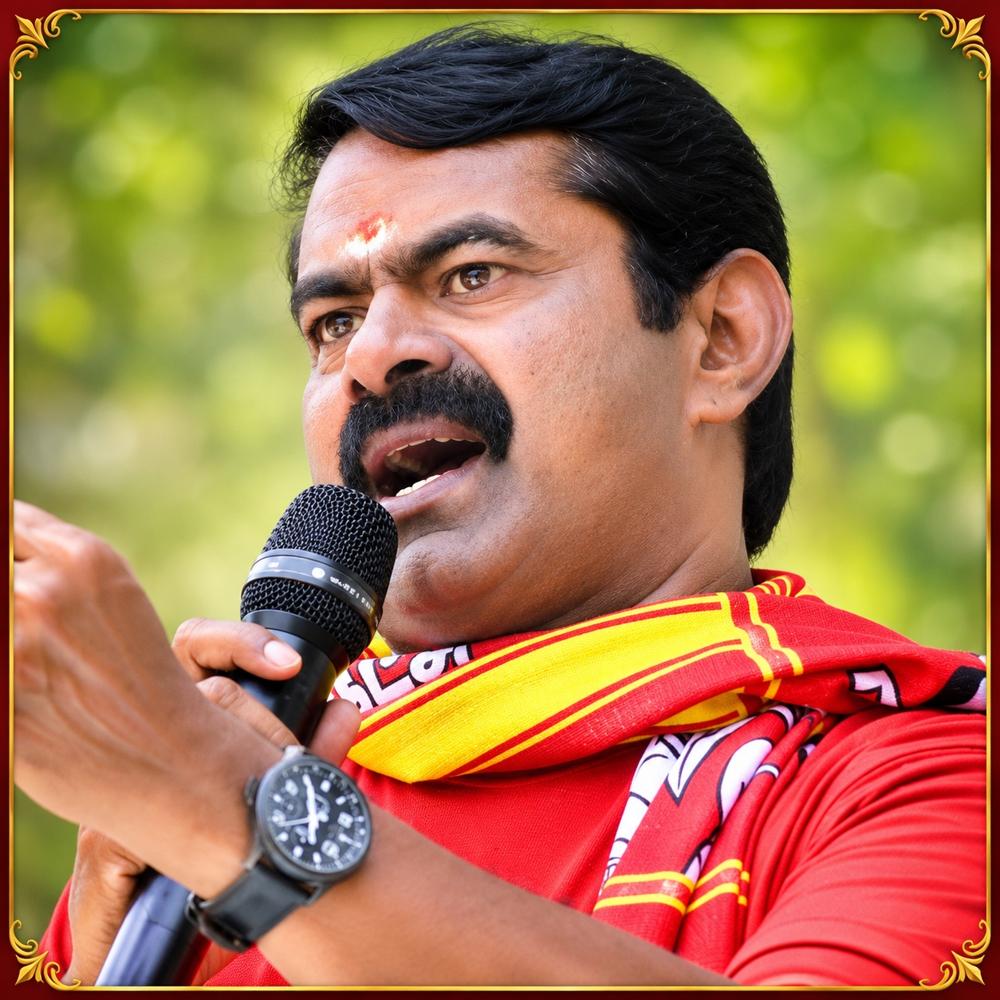
Being Tamil does not require someone to reject their religious faith, abandon the deities worshipped by their ancestors, or accept a political ideology.
Muslim, Christian and Hindu Tamils live as Tamils while following their respective faiths. It is unjust to deny their Tamil identity on the basis of those beliefs.
Those who do not wish to celebrate Deepavali are free not to do so. But they should not tell Hindu Tamils who celebrate it that the festival does not belong to them, thereby belittling their religious beliefs and family traditions.
There may be religious and political differences among Tamils. Respecting one another’s religious beliefs despite those differences is what will strengthen unity among Tamil people.
With that thought, I convey my heartfelt Deepavali wishes to Tamil Hindu relatives throughout the world who will celebrate Deepavali on November 8, 2026, and to everyone else who celebrates the festival.
May this Deepavali bring joy and contentment to every home. May love and unity grow within families.
Wishing everyone a happy Deepavali!
Swami Shankaranandaa 🙏
Founder and Spiritual Guide
Saiva Sanatana Service Center – Canada
Reader Comments
Loading comments…