NEWS · WORLD · FEATURE ARTICLE
Which Country Has the Highest Quality of Life in the World? Iceland or the Netherlands? What the Indices Really Say
“Which country has the highest quality of life in the world?”
It is easy to answer this question with the name of just one country.
But that is not a complete answer.
Just as we cannot determine whether someone has a good life solely by how much they earn, we cannot measure the quality of life of a country’s people using a single number.
There must be income.
But income alone is not enough.
Is good healthcare available?
Do people live long, healthy lives?
Do children receive a good education?
Can people afford to buy a home or pay rent with the money they earn?
Is the country safe?
How much time do people spend commuting to and from work?
What is the state of the environment?
All these questions relate to people’s actual lives.
That is why different international organisations use different criteria to address the question of “quality of life”.
When the criteria change, the country that ranks first changes too.
Without understanding this, sharing a single list and declaring “this is the country with the highest quality of life in the world” can create a misleading impression.
What Does the United Nations Say?
The United Nations Development Programme, UNDP, uses the Human Development Index (HDI) to measure human development across the world’s countries.
Its main purpose is not simply to examine a country’s economic growth.
It also assesses the opportunities available to the people living in that country and their living conditions.
The HDI centres on three basic dimensions.
The first is a long and healthy life.
For this, life expectancy at birth is taken into account.
The second is education.
This considers both the number of years of schooling a child is expected to receive and the average number of years of schooling adults have completed.
The third is a decent standard of living.
For this, gross national income per person is calculated on the basis of purchasing power parity.
In other words,
Health + Education + Income
The HDI is constructed on the basis of these three dimensions.
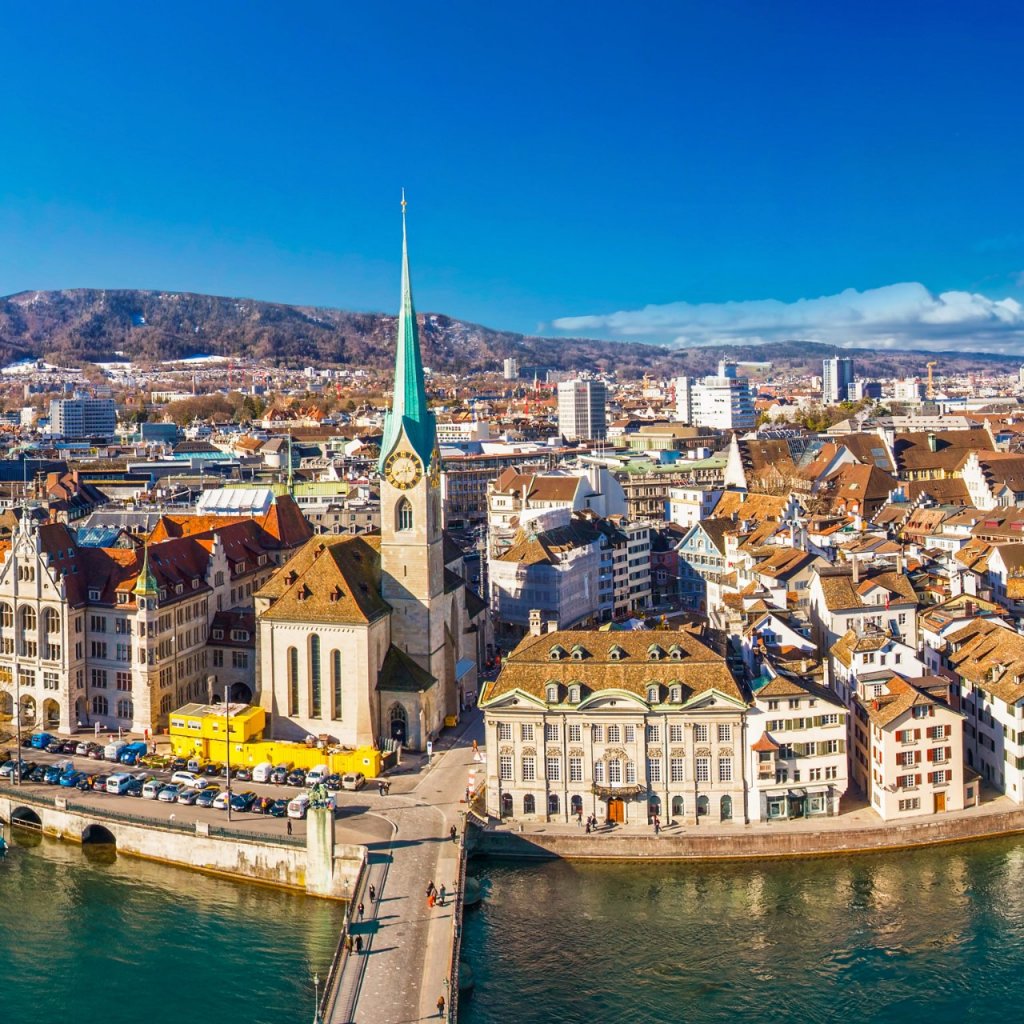
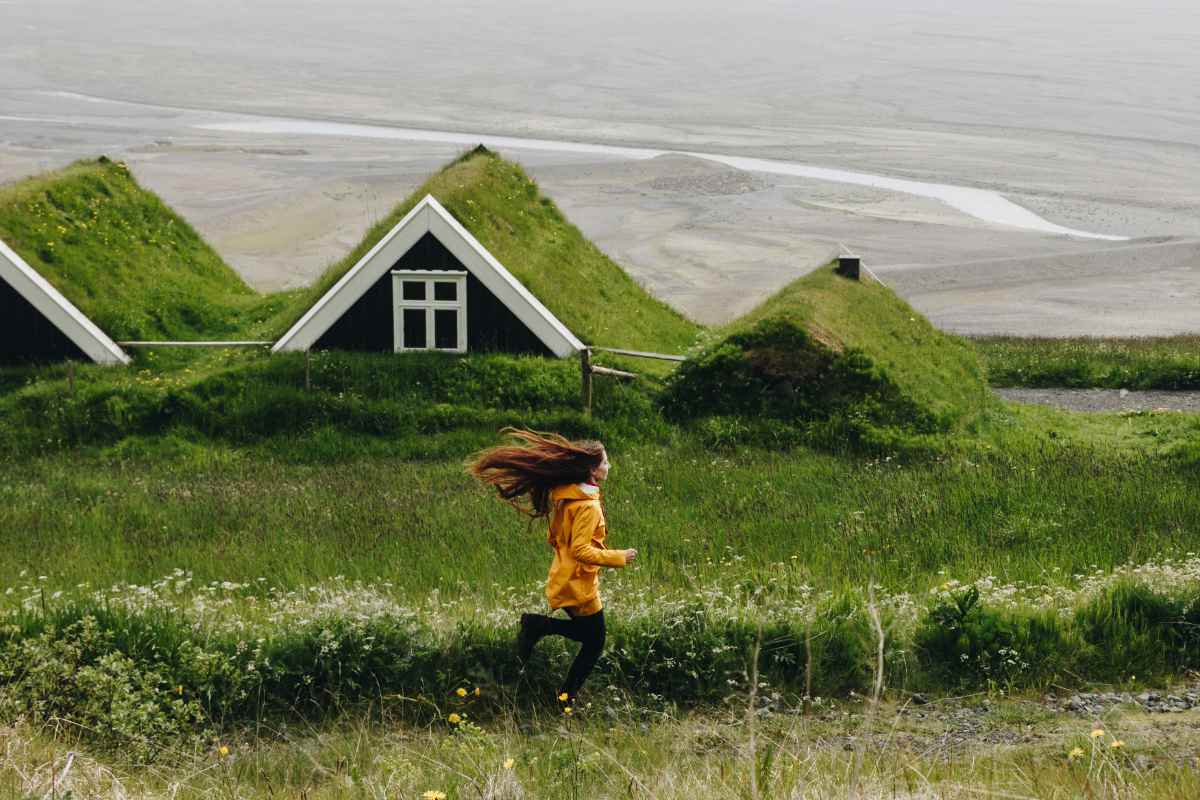
In the United Nations Human Development Report published in 2025, Iceland ranks first in the world.
Its HDI value is 0.972.
It is followed by Norway in second place and Switzerland in third place.
The published HDI value for both Norway and Switzerland is 0.970.
Denmark, Germany and Sweden are among the other countries with very high human development.
But a very important point about the dates must be noted here.
This is a report published in 2025.
However, the principal HDI data used in it relate to 2023.
Therefore,
“Iceland ranks first in the world for quality of life in 2025”
is not a fully accurate explanation.
Instead,
“In the UN Human Development Report published in 2025, Iceland ranked first in the HDI ranking on the basis of 2023 data”
is the accurate explanation.
This may seem like a small difference in wording.
But in statistical reporting, this distinction is very important.
The year in which a report is published and the year of the data it uses do not necessarily have to be the same.
The new global Human Development Report for 2026 is also still in preparation.
Therefore, as of September 2026, the latest fully published global UNDP Human Development Report is the 2025 report.
Then How Does the Netherlands Rank First?
This is where the distinction between “human development” and “quality of life” comes in.
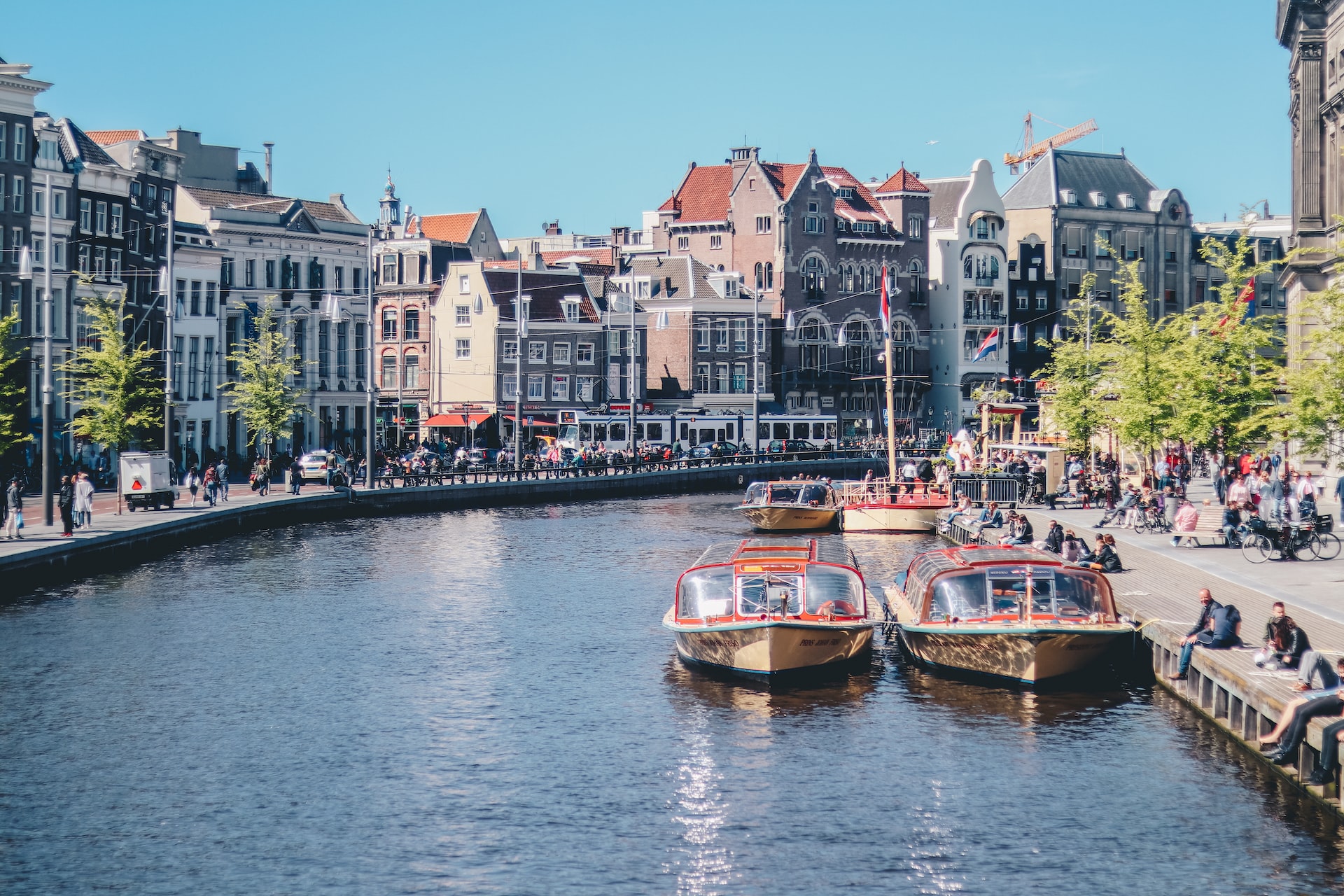
In the 2026 Quality of Life Index published by the global database Numbeo, the Netherlands ranks first.
Its Quality of Life Index score is 213.6.
Denmark ranks second with 212.2, while Luxembourg ranks third with 211.9.
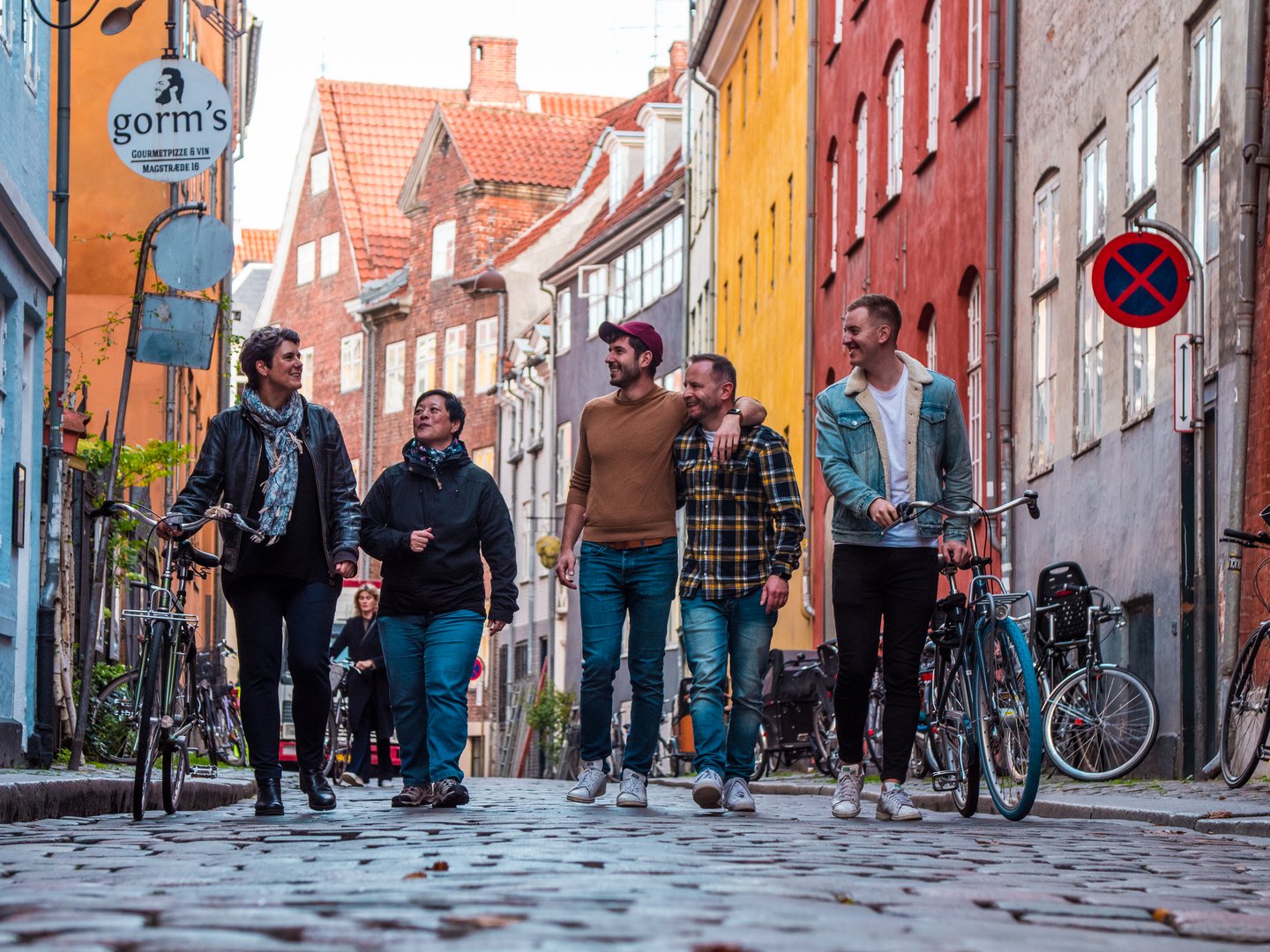
They are followed by countries including Oman, Switzerland and Finland.
Someone looking at this might ask,
“The UN says Iceland is first. Numbeo says the Netherlands is first. Which is correct?”
That is a reasonable question.
In fact, the two do not contradict each other.
They do not measure the same thing.
Numbeo’s Quality of Life Index takes eight main factors into account.
Its calculation includes purchasing power, safety, healthcare, cost of living, the ratio of property prices to income, commuting time, pollution and climate.
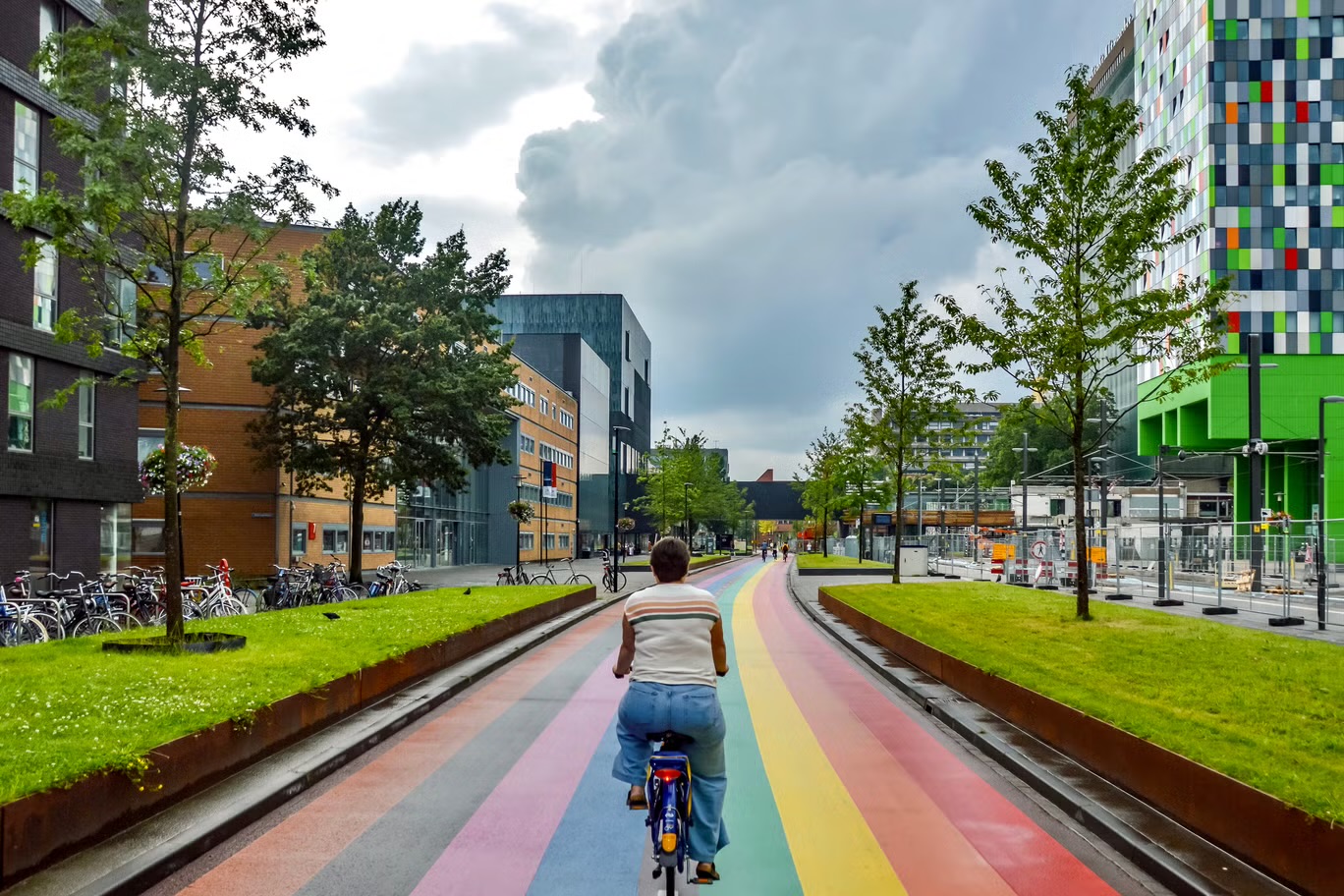
As a result, some of the practical difficulties people face in everyday life are reflected more strongly in this index.
For example, salaries in a country may be very high.
But if house prices have risen even faster, buying a home may become difficult for an ordinary family.
Similarly, even with a high income, having to spend two hours commuting every day can affect quality of life.
If cities are heavily polluted, safety is poor or healthcare is not easily accessible, high income alone does not guarantee a good life.
Numbeo includes such factors in its calculation.
That is why Iceland, which ranks first in the HDI list, does not necessarily have to occupy the same position in Numbeo’s quality of life ranking.
Likewise, the Netherlands, which ranks first in Numbeo’s list, does not necessarily have to rank first in the UN Human Development Index.
But another important point must also be considered here.
UNDP and Numbeo do not use the same data collection methods.
UNDP constructs the Human Development Index on the basis of government and international statistical sources from around the world.
Numbeo, by contrast, also uses user contributions, price information and survey data collected through the internet.
It then produces a quality of life score through its own calculation method.
It is therefore incorrect to describe Numbeo’s ranking as an official United Nations global ranking.
It is a quality of life assessment produced by a private global database.
That does not mean it is useless.
Rather, it offers another useful perspective for comparing practical factors such as everyday living costs, housing, purchasing power, safety, healthcare and transport.
But it should be used with an understanding of the nature and limitations of its data.
Are “Standard of Living” and “Quality of Life” the Same?
They are related.
But they are not entirely the same.
The term “standard of living” generally refers more to the economic and material resources available to an individual or family.
Income, purchasing power, housing and the ability to obtain goods and services are important elements.
But “quality of life” is broader.
It can also include safety, health, the environment, leisure time, family life, social relationships, work–life balance and personal satisfaction.
That is why the wealthiest country in the world is not necessarily the best country in which to live.
Even if someone earns a high salary, if their entire life is spent under work pressure, debt and traffic congestion, their economic standard of living may be high while their quality of life is not equally high.
This is the fundamental distinction between these indices.
The OECD approaches the same issue in another way.
Its Better Life Index assesses people’s lives across multiple dimensions.
It includes factors such as housing, income, jobs, social connections, education, the environment, civic engagement, health, life satisfaction, safety and work–life balance.
The OECD also provides a way for users to choose which factors matter to them and compare countries accordingly.
For one person, safety may be important.
For another, income matters most.
For someone else, healthcare and work–life balance may be important.
As these priorities change, the answer to “which is the best country?” can also change.
This is a very important truth.
There is no single scientific ranking of “the best country to live in” that applies equally to everyone in the world.
The answer depends on the criteria through which we examine a country.
If we look at human development — Iceland.
It ranks first according to the 2023 data in the UN Human Development Report published in 2025.
If we look at Numbeo’s 2026 Quality of Life Index — the Netherlands.
It ranks first on the basis of Numbeo’s criteria, including everyday purchasing power, safety, healthcare, housing, transport, pollution and climate.
But taking either of these and concluding,
“This is the best country in the world to live in”
would not be correct.
We must look beyond a country’s wealth to the lives of the people who live there.
How much a person earns is important.
At the same time, how healthily they live is also important.
The kind of education their children receive matters too.
Can they buy a home?
Do they live safely?
Can they meet their living costs with their salary?
Do they have time to spend with their family?
How clean is the air they breathe?
Only by considering these questions together can we understand a country’s true quality of life.
Therefore, the correct answer to “which country has the highest quality of life in the world?” is not just the name of a country.
“On the basis of which criteria?”
That is the question from which the correct answer begins.
Reader Comments
Loading comments…