
world
Arab Parties Hold the Balance of Power in Israel! Will Netanyahu Join Forces with a Muslim-Led Party?
November 3, 2026
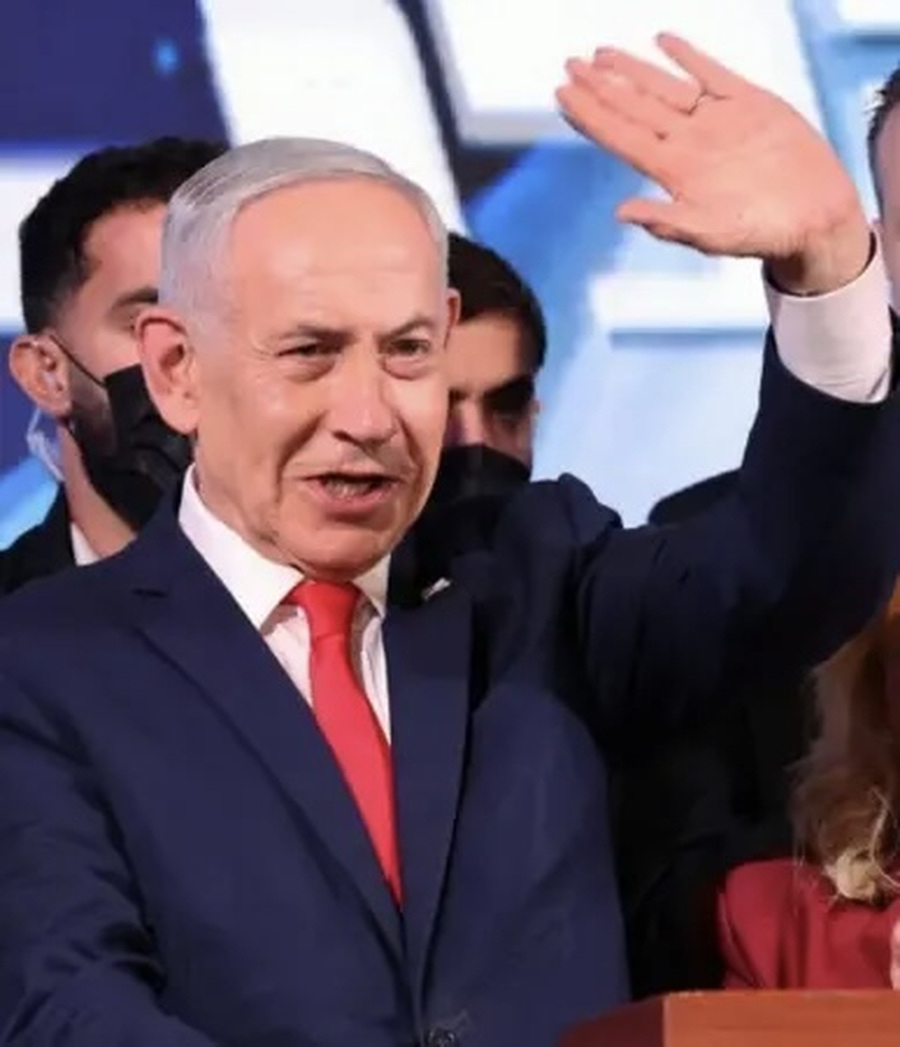
With Prime Minister Benjamin Netanyahu’s alliance failing to secure a majority in Israel’s parliamentary election, forming a new government without the support of political parties representing Arab citizens has become a major challenge.
No political bloc won the 61 seats needed to form a government in the Israeli parliamentary election held on October 27, 2026.
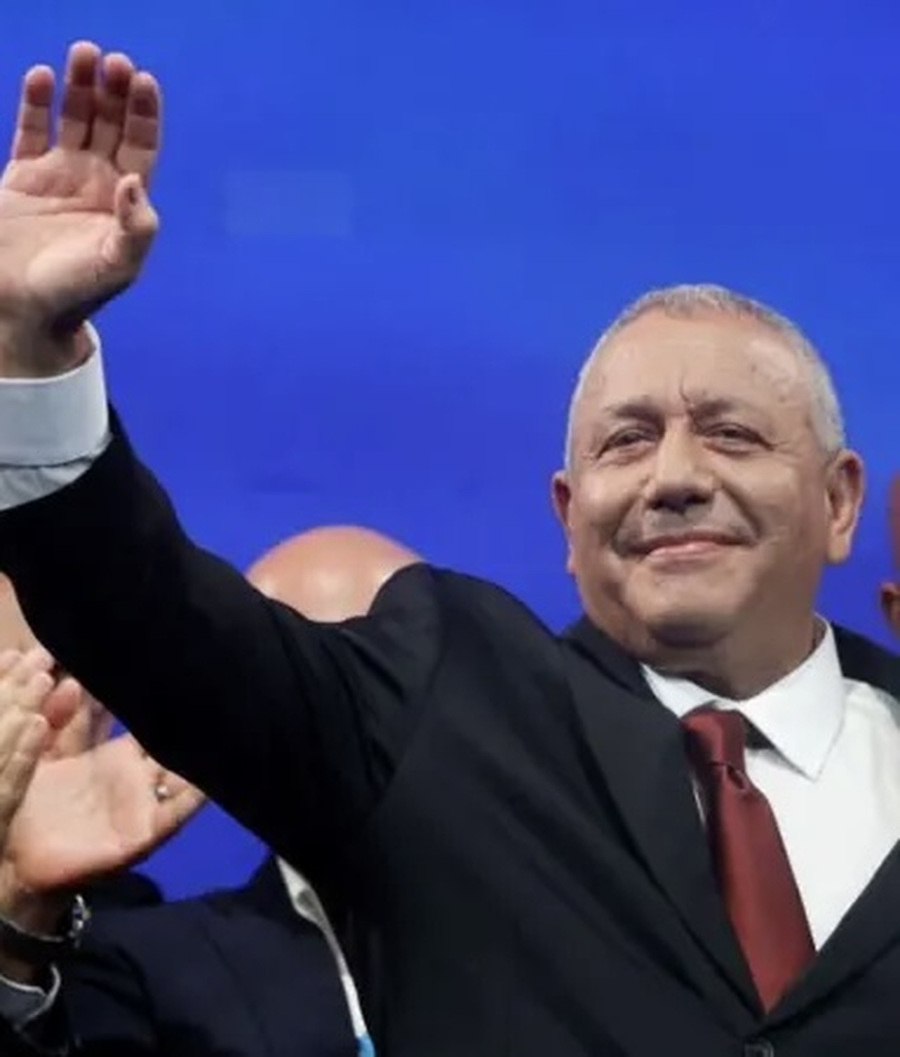
In the 120-member Knesset, Israel’s parliament, Netanyahu’s right-wing alliance won 53 seats, while the opposition bloc led by former military chief Gadi Eisenkot won 48.
Meanwhile, two political alliances representing Arab citizens won a combined 19 seats. This is the highest number of seats Arab parties have won in the history of Israeli parliamentary elections.
These election results reveal the significant position Arab representatives now hold in determining political power in Israel.
Netanyahu’s Likud emerged as the largest individual party with 27 seats. Within his alliance, Itamar Ben-Gvir’s Jewish Power party won seven seats, United Torah Judaism seven, Shas six, and the Religious Zionism party led by Bezalel Smotrich six.
With Netanyahu’s supporting alliance holding only 53 seats in total, he needs the support of another eight members to remain in power.
It is in these circumstances that Ra’am, the United Arab List led by Muslim political leader Mansour Abbas, has gained importance.
Ra’am won eight seats in this election. If its eight members join Netanyahu’s 53, they would reach the 61-member majority needed to form a government.
But whether this arithmetic can become a political reality is the central question.
Far-right leaders Itamar Ben-Gvir and Bezalel Smotrich, who are part of Netanyahu’s alliance, oppose forming a government with Arab parties.
Netanyahu has also expressed the position that he will not form a coalition government that includes Arab parties.
This raises the question of whether Netanyahu could preserve his current alliance in its entirety even if an agreement were reached with Ra’am.
Meanwhile, in a report published on November 2, Israeli journalist Mohammad Magadli said that Likud members close to Netanyahu were maintaining contacts with Mansour Abbas’s Ra’am party.
Likud, however, denied this allegation. The party stated that it was maintaining no contacts of any kind with Arab parties.
It has therefore not yet been possible to confirm that secret coalition negotiations are taking place between Netanyahu’s camp and Ra’am.
In an interview on October 21 before the election, Mansour Abbas also said that, considering events over the past four years, he did not regard another political alliance with Netanyahu as a viable option.
Nevertheless, he has acknowledged having contacts with both political blocs after the election. He has stressed that his aim is to participate in a government that prioritises Arab citizens’ rights, security, education, housing and economic advancement.
There is already a historical precedent showing that participation by a Muslim-led party in Israel’s governing coalition is possible.
Mansour Abbas’s Ra’am formally joined the coalition government formed under Naftali Bennett and Yair Lapid in 2021.
It was a significant event in Israeli political history in which an independent Arab party became a formal member of the governing coalition.
That coalition government ended Netanyahu’s long period in power. However, it collapsed in 2022 because of political disagreements within the coalition.
Despite that experience of Jewish political parties and an Arab Muslim political party forming a government together, political differences between the sides have now intensified further.
In particular, the Hamas-led attack on Israel on October 7, 2023, and the subsequent war in Gaza have profoundly changed Israel’s political environment.
Disputes concerning Palestinian rights, Israeli security, Gaza’s future and Israeli settlements in the West Bank have also assumed an important place in coalition negotiations.
It should also be noted that not all political parties representing Arab citizens in Israel are based on the Islamic religion.
Mansour Abbas’s Ra’am has a political background in the Islamic Movement. However, the Joint Arab List, which won 11 seats, includes several parties with left-wing, secular and Palestinian national political positions.
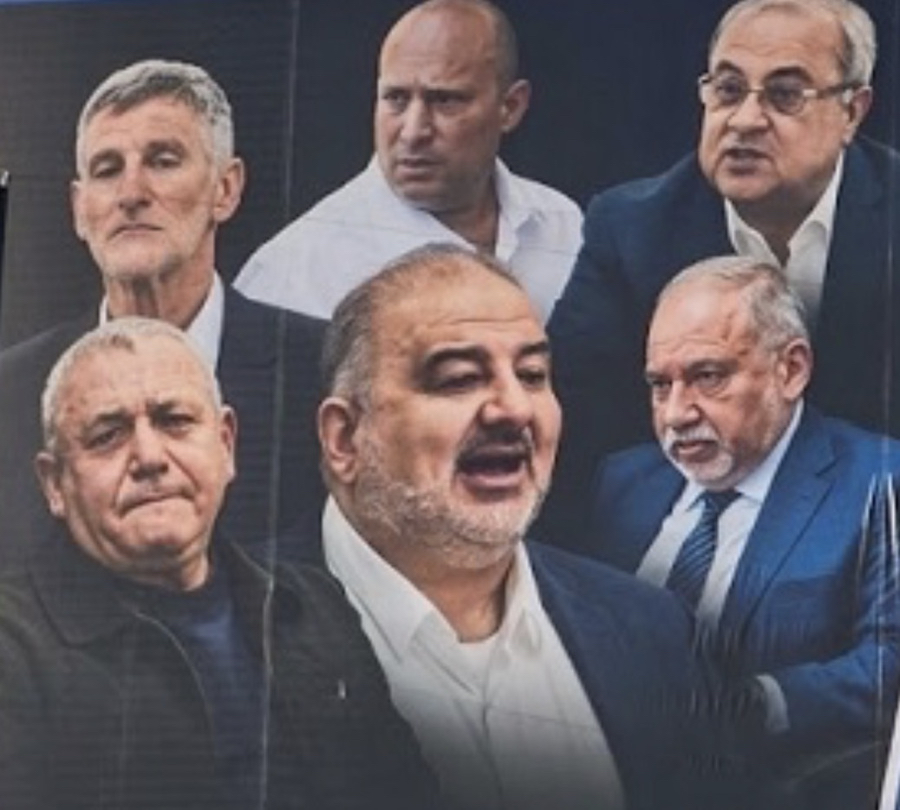
As these two Arab political alliances together hold 19 seats, their support has also become important to parties seeking to form a government against Netanyahu.
Combining the 48 members of Eisenkot’s opposition bloc with the 19 members of the Arab parties would produce a total of 67 supporters.
However, there are also differences within that opposition bloc over forming a government with Arab parties.
In particular, Yisrael Beiteinu, led by Avigdor Lieberman, has opposed forming a government with Arab parties. Meanwhile, Democrats leader Yair Golan has supported the political participation of Arab parties.
Against this backdrop, at an important political meeting on November 3, opposition leaders agreed to nominate Gadi Eisenkot as the next prime minister.
They also decided to pursue steps to replace Netanyahu’s government and establish a national emergency government.
Nevertheless, no consensus has been reached on forming a coalition that includes Arab parties.
Controversies have also arisen over the election results. Netanyahu’s Likud has alleged foreign interference and irregularities in votes received by Arab parties.
Election officials, however, have said that the allegations lack evidence sufficient to alter the valid election results. Some related investigations are continuing.
The vote-counting results released on October 30 are due to be officially submitted to Israeli President Isaac Herzog on November 4.
The president will then consult representatives of the political parties and entrust a member of parliament capable of forming a new government with that responsibility.
The person selected may initially be given 28 days. There is provision for a further extension of 14 days if necessary.
The new parliament is due to convene on November 10.
If the political parties fail to reach an agreement, Israel could face another general election.
It has not yet been decided who will form Israel’s next government.
Netanyahu’s alliance needs another eight members. The opposition parties must also seek the support of Arab parties or new agreements with other parties to obtain a majority.
Israel’s current political crisis continues amid the tension between positions refusing to accept Arab political representation and the difficulties of forming a government without their parliamentary support.
The 19 parliamentary seats held by Arab parties have become a crucial factor in the political negotiations that will determine Israel’s next prime minister.
Reader Comments
Loading comments…