
NEWS · SRI LANKA · JAFFNA
New Plans to Protect Palmyrah Resources and Strengthen Jaffna’s Rural Economy – Focus on 25 Palmyrah Villages, Planting and Tourism Development

Livelihood assistance for palmyrah workers is also planned during Deputy Minister Sundaralingam Pradeep’s visit to Jaffna on October 13 and 14
Jaffna | October 13, 2026
Several new development initiatives are to be undertaken to protect palmyrah resources, which are closely connected to the traditional livelihoods and economy of Sri Lanka’s Northern and Eastern communities, and to increase rural incomes and employment opportunities.
According to the supplied programme announcement, the Palmyrah Development Board, operating under Sri Lanka’s Ministry of Plantation and Community Infrastructure, has arranged a series of events in Jaffna District on October 13 and 14, 2026, with the participation of Deputy Minister Sundaralingam Pradeep.
The principal objectives announced for the programme are to launch new planting activities during Palmyrah Planting Month, improve producers’ livelihoods, provide equipment needed for their work, encourage palmyrah craft workers, and develop rural tourism based on palmyrah resources.
October Is Palmyrah Planting Month

October is observed as Palmyrah Planting Month in Sri Lanka. Continuing this initiative, the programme announcement states that Deputy Minister Sundaralingam Pradeep is to launch the 2026 planting programme in Mankumban, Jaffna District, on October 14.
The initiative aims to expand palmyrah resources while promoting sustainable livelihoods, environmental protection and rural development.
In the Northern and Eastern Provinces, palmyrah trees are more than an economic resource: they are a natural asset woven into people’s food traditions, crafts, culture and traditional ways of life.
In particular, palmyrah-based industries have long played an important role in livelihoods in the districts of Jaffna, Kilinochchi, Mullaitivu, Mannar, Vavuniya, Trincomalee, Batticaloa and Amparai.
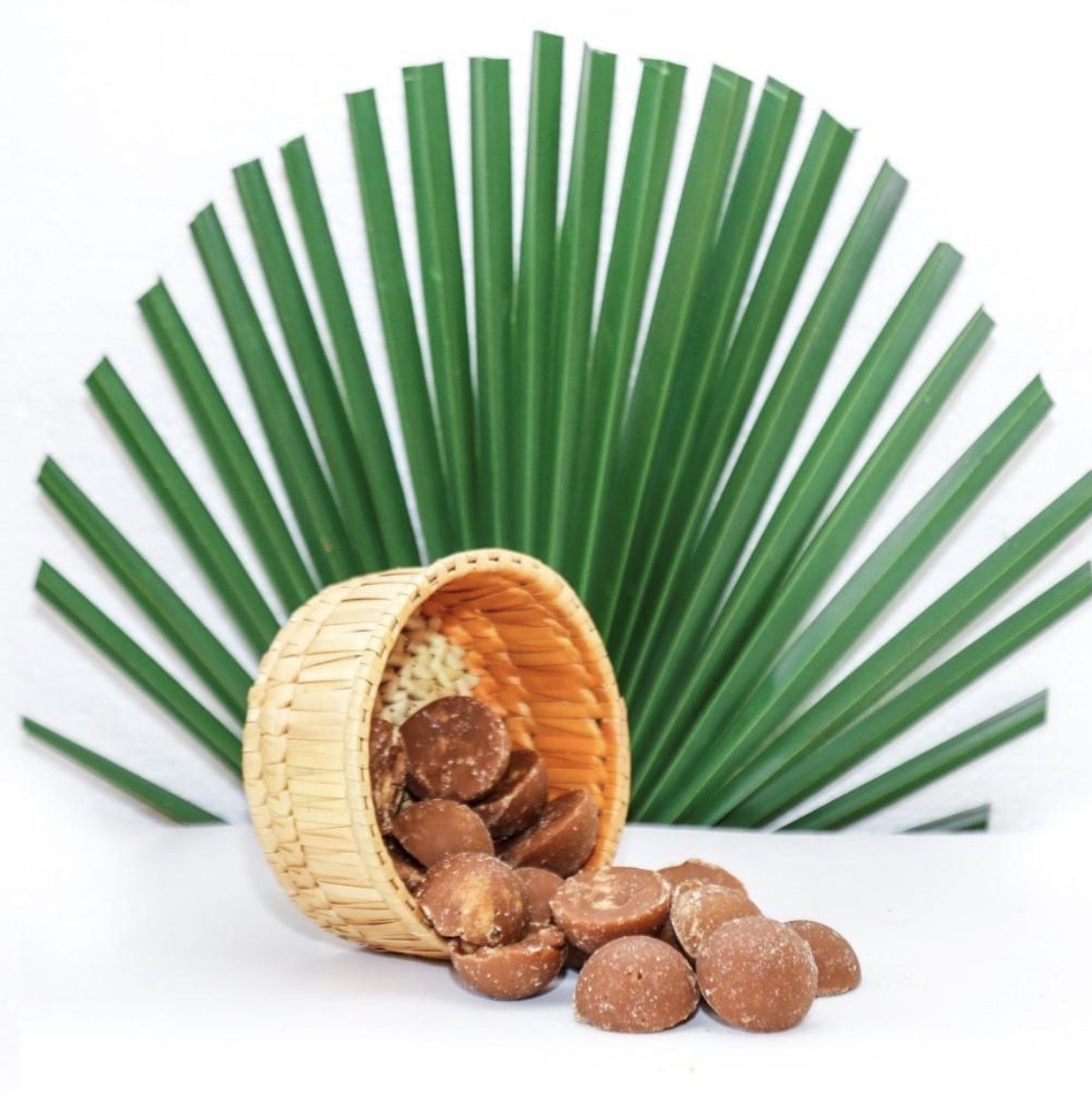
The root system of palmyrah trees helps control soil erosion and protect the environmental balance of dry regions. Their leaves, fibre, fruit, seeds and fresh sap can also be used to produce a variety of foods and handicrafts.
The Current State of Palmyrah Resources
According to information on the development plan published by the Palmyrah Development Board in 2026, Sri Lanka is estimated to have approximately eleven million palmyrah trees.
However, the Board states that less than ten per cent of this resource is being used for productive purposes.
This estimate highlights the continuing opportunities to increase the full economic use of palmyrah resources in the Northern and Eastern regions, where they are particularly abundant.
According to the Board’s account of its activities in 2025, approximately 300,000 palmyrah seeds were planted that year. Measures were also undertaken to identify approximately 500 mother palms to obtain quality planting material.
Such planting initiatives are considered important for restoring palmyrah resources damaged by wartime destruction, tree felling for construction, and land use for roads and other development activities.
Livelihood Assistance for Palmyrah Workers
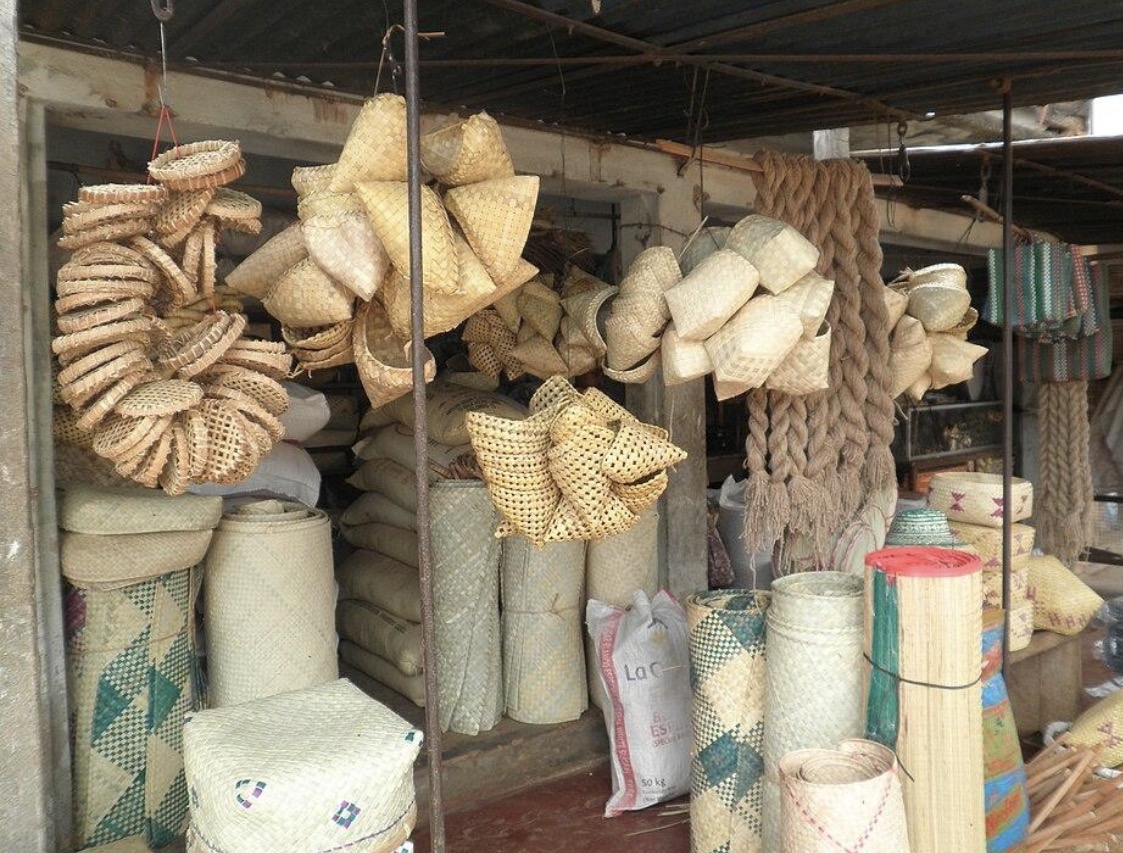
According to the programme announcement, a livelihood development event for palmyrah workers is also to take place on October 14 at the auditorium of the Chief Secretary’s Office in Jaffna.
Palmyrah producers are to receive equipment and tools needed to improve their businesses.
An event has also been arranged to encourage workers in the palmyrah handicraft industry by presenting certificates and awards.
Such assistance is expected to improve the production capacity and income opportunities of women engaged in palm-leaf crafts, small-scale palmyrah food producers and those working in traditional palmyrah occupations.
Earlier reports on the Palmyrah Development Board’s activities have also prioritised handicraft training, technical guidance, the provision of production equipment and the expansion of marketing facilities.
In particular, training programmes have been conducted for rural women in making palm-leaf products and in processing palmyrah foods into value-added products.
The 25 Sri Lankan Palmyrah Villages Project
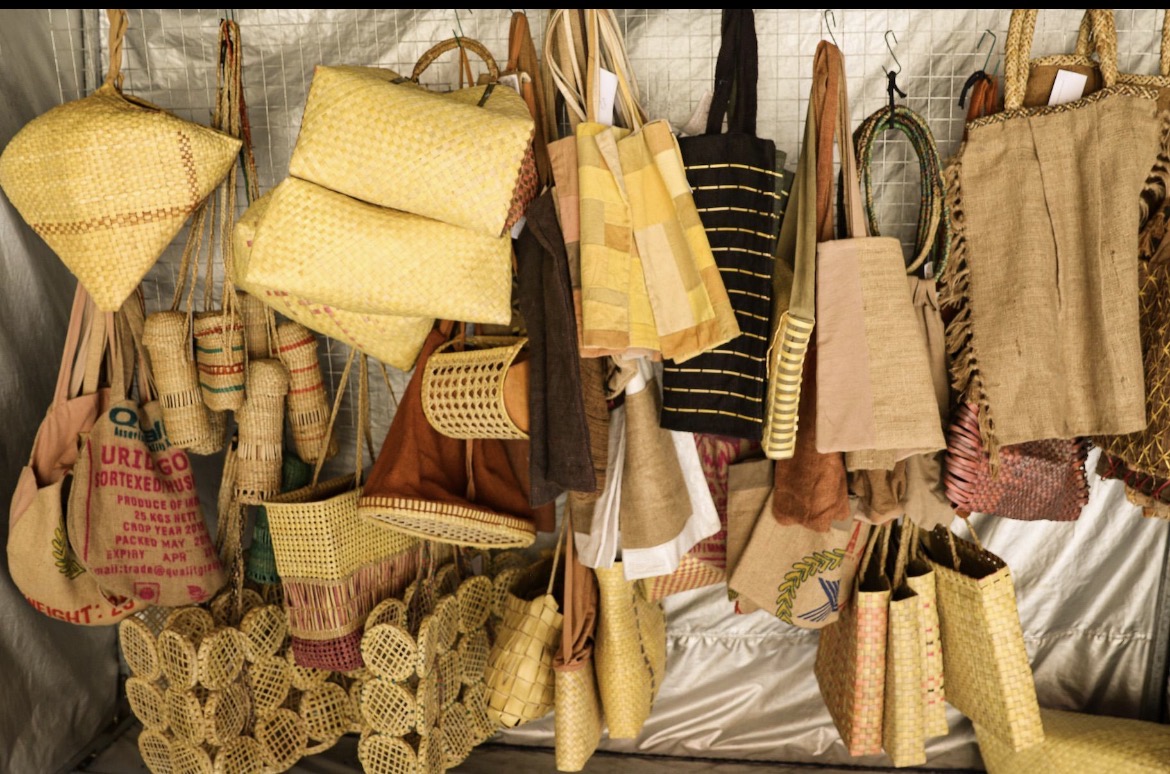
A new tourism development project based on twenty-five palmyrah villages has also been announced as an important part of these development efforts.
The project aims to create new visitor experiences by bringing together traditional palmyrah resources, local foods, handicrafts, rural culture and the natural environment.
The programme announcement states that arrangements have been made to launch the initiative in Velanai, Jaffna, on October 14, 2026, under the leadership of Deputy Minister Sundaralingam Pradeep.
The project emphasises turning palmyrah-based villages into community-based tourism destinations and creating new income opportunities for the people living in those villages.
Proposed activities include establishing palmyrah tourism centres, tapping fresh sap, making jaggery and palmyrah foods, weaving handicrafts, creating palmyrah restaurants, and introducing visitors to traditional foods and rural ways of life.
The project also provides for introducing industries that use palmyrah fruit, tubers and fibre, alongside village walks, nature-based tourism activities, local cultural events, rural festivals and exhibitions.
There are also plans to develop tourism activities in partnership with the Northern Province Tourism Bureau and the relevant local authorities.
Ten Palmyrah Tourism Centres by 2029
A long-term goal of the twenty-five palmyrah villages project is to create ten palmyrah tourism centres that can be introduced to the tourism market by 2029.
If this goal is implemented, it could create new opportunities to connect palmyrah products with the tourism industry beyond local markets.
Introducing tourists to palm-leaf handicrafts, palmyrah jaggery, pinattu, odiyal and foods made from palmyrah fruit could create new markets for rural producers.
Employment opportunities could also emerge in areas such as tour guiding, village restaurants, traditional handicraft training centres and small retail outlets.
However, full details of the districts in which the twenty-five villages will be established, the funding allocated, and the villages selected for the initial phase still require separate confirmation.
The Economic Importance of the Palmyrah Industry
The Palmyrah Development Board is a state institution established in 1978. Its responsibilities include expanding planting, protecting palmyrah resources, conducting research, improving product quality, providing worker training and developing markets for palmyrah products.
According to the Board’s report, more than seven thousand families are involved in raw material production, palm tapping and other direct occupations connected to the industry. More than one thousand additional families earn income through value-added products and cooperative-based activities.
The Board’s current marketing table records export earnings from palmyrah products between January and December 2025 at LKR 599,976,084.28, or approximately LKR 600 million.
Against this economic background, bringing together production, training, marketing and tourism development plans for the palmyrah industry represents an important initiative.
Economic Development Must Accompany the Protection of a Traditional Resource
The palmyrah tree holds a distinctive place in the history and culture of Northern and Eastern communities.
In the traditional life of Eelam Tamils in particular, palmyrah resources have been used across many areas, including food, household goods, handicrafts, hut construction, livestock care and small businesses.
Alongside protecting this traditional resource, it is necessary to use modern technology and marketing methods to make the industry a source of income for younger generations.
The events announced for October 13 and 14 in Jaffna are intended as efforts towards that goal.
However, the long-term success of the announced projects will depend on maintaining the newly planted palms, providing continuing technical assistance to beneficiaries, ensuring stable markets for products, securing direct rural community participation and allocating funding for the projects.
If palmyrah planting, worker livelihood assistance, handicraft development and rural tourism initiatives are implemented as planned, they could protect the traditional palmyrah resources of Northern and Eastern communities while creating new opportunities for rural economic growth.
Reader Comments
Loading comments…