
NEWS · INDIA · POLITICAL ANALYSIS
Modi–Vijay Meeting: Will the Lotus Bloom in Tamil Nadu? What Is the BJP’s Future After Annamalai’s Departure?
New equations in Tamil Nadu politics: Development projects, leadership changes and the BJP’s future challenges — a political analysis
Chennai, October 12, 2026

Prime Minister Narendra Modi’s visit to Tamil Nadu and his Metro journey with Chief Minister C. Joseph Vijay have sparked fresh debate in the state’s politics. While inaugurating development projects and laying foundations for new initiatives worth more than Rs 13,000 crore, the Prime Minister also pledged Central support for Tamil Nadu’s development.
Modi inaugurated the Poonamallee–Vadapalani stretch of Chennai Metro Rail’s Phase II and participated in events connected with the brain research centre at IIT Madras. Projects across highways, railways, ports and other sectors are expected to support the state’s transport connectivity and economic growth.
However, the significance of the visit extends beyond development projects. It has also renewed discussion about the BJP’s future in Tamil Nadu, changes in its leadership and former state president K. Annamalai’s departure from the party.
The Modi–Vijay meeting: Development cooperation or a political signal?
Prime Minister Modi and Chief Minister Vijay shared a public platform and travelled together on the Metro. The willingness expressed by both sides to work together for Tamil Nadu’s development attracted attention.
Vijay sought Central support on several issues, including further expansion of Chennai Metro, the Coimbatore and Madurai Metro proposals, and education funding. He also outlined his government’s goals for taking the state’s economic growth to the next level.
In response, the Prime Minister said the Union government remained committed to providing the support needed for Tamil Nadu’s development.
This meeting cannot immediately be treated as evidence of an electoral alliance. It does, however, demonstrate opportunities for the Union and state governments to cooperate across political differences.
Annamalai’s departure: A challenge for the Tamil Nadu BJP
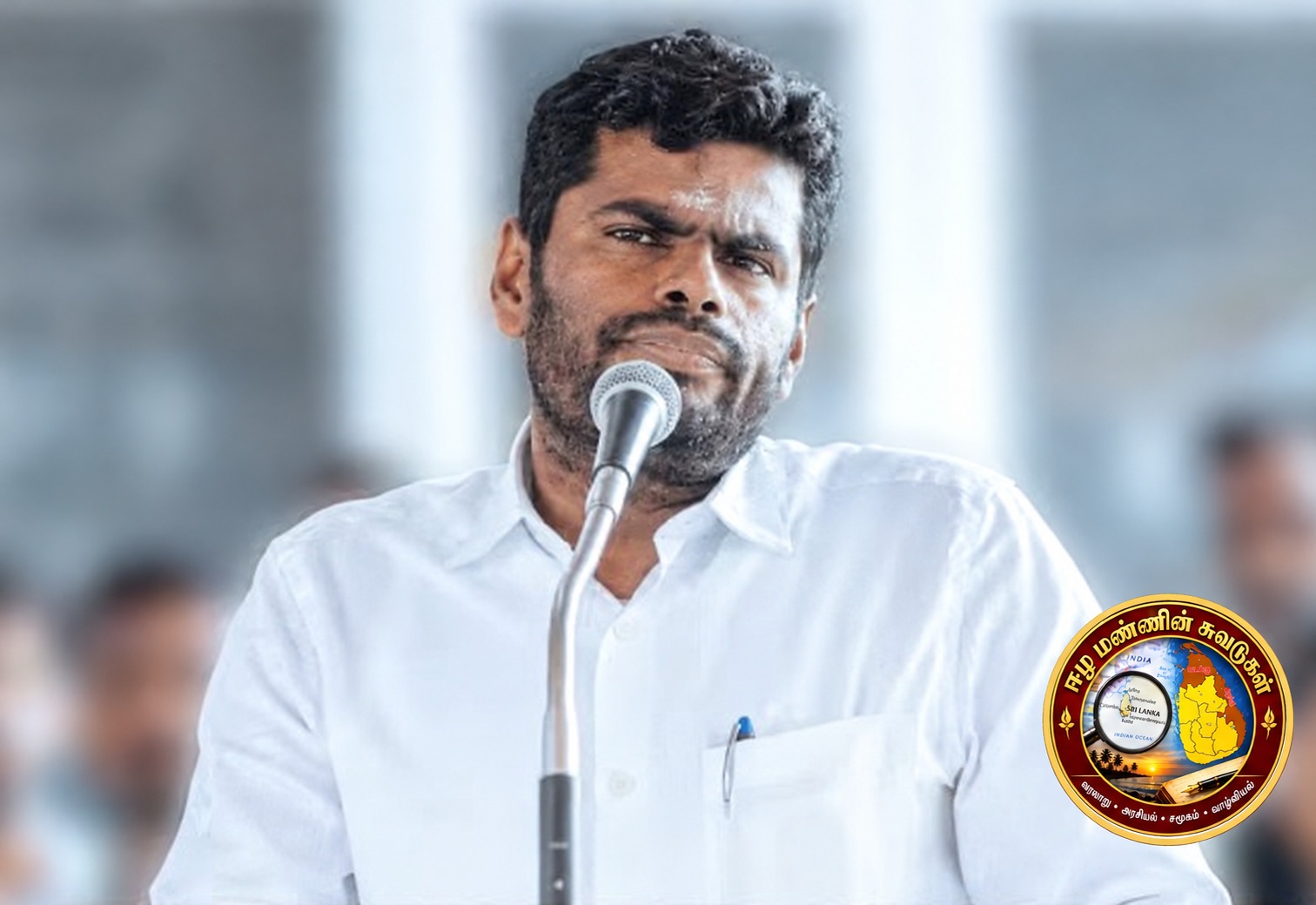
Former Tamil Nadu BJP president K. Annamalai was among the prominent leaders who sought to bring the party’s political identity to a wider public. His speeches, media appearances and political criticism intensified discussion about the BJP in Tamil Nadu.
However, after Annamalai left the BJP and launched a new movement intended to become a political party later, questions have arisen about the Tamil Nadu BJP’s political direction.
Nainar Nagendran currently serves as the Tamil Nadu BJP president. Strengthening the party organisation and filling any political space that Annamalai’s departure may have created are among the challenges before him.
The question of whether the BJP’s growth might have followed a different course had Annamalai remained active in the party cannot be dismissed. His supporters may argue that his political approach would have brought the party greater public support.
At the same time, a leader’s personal influence alone does not guarantee electoral success. A strong party organisation, coordination among local leaders, public trust and a suitable political strategy are also essential.
It is therefore more appropriate to examine how the party’s leadership and organisation perform than to treat Annamalai’s departure as the sole factor determining its future.
Have the chances of the lotus blooming in Tamil Nadu diminished?
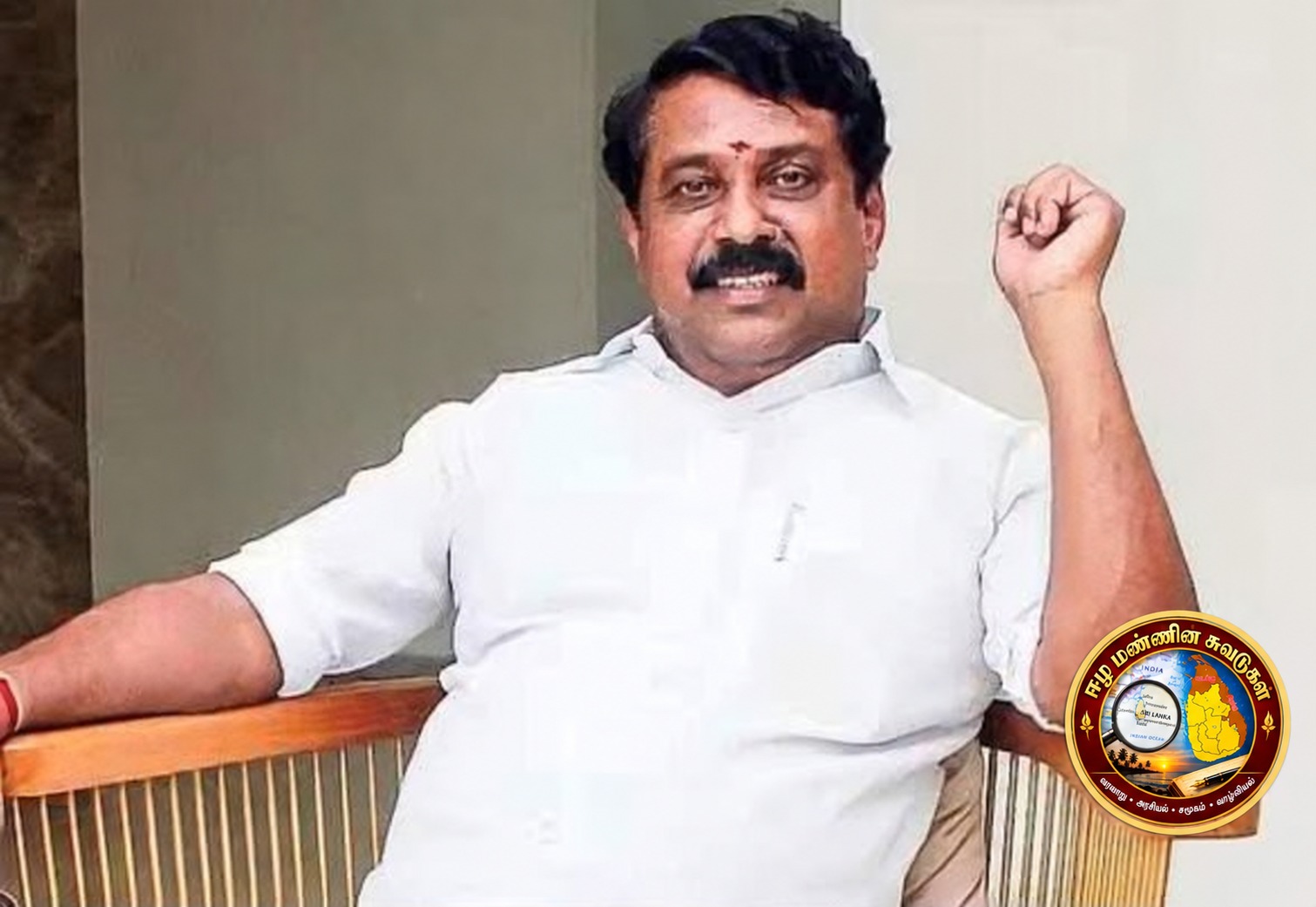
The BJP’s greatest challenge in Tamil Nadu is to translate its national influence into public support within the state.
The longstanding political influence of the Dravidian movements, concern for the Tamil language and state rights, and expectations of social justice give Tamil Nadu a distinctive political environment.
In this setting, highlighting Union government projects and the influence of the national leadership alone is insufficient. The BJP must develop a credible approach to everyday issues such as employment, education, agriculture, industrial growth and the sharing of financial resources with the state.
The party’s future growth under Nainar Nagendran will depend on how well it understands the state’s political concerns and communicates its policies to the public.
There can be no definitive answer to whether the lotus would have bloomed had leaders such as Annamalai remained in the party. Nevertheless, strong leadership, direct contact with the public and sustained work on the ground are important to any party’s growth.
Vijay’s new political environment and the BJP’s calculations
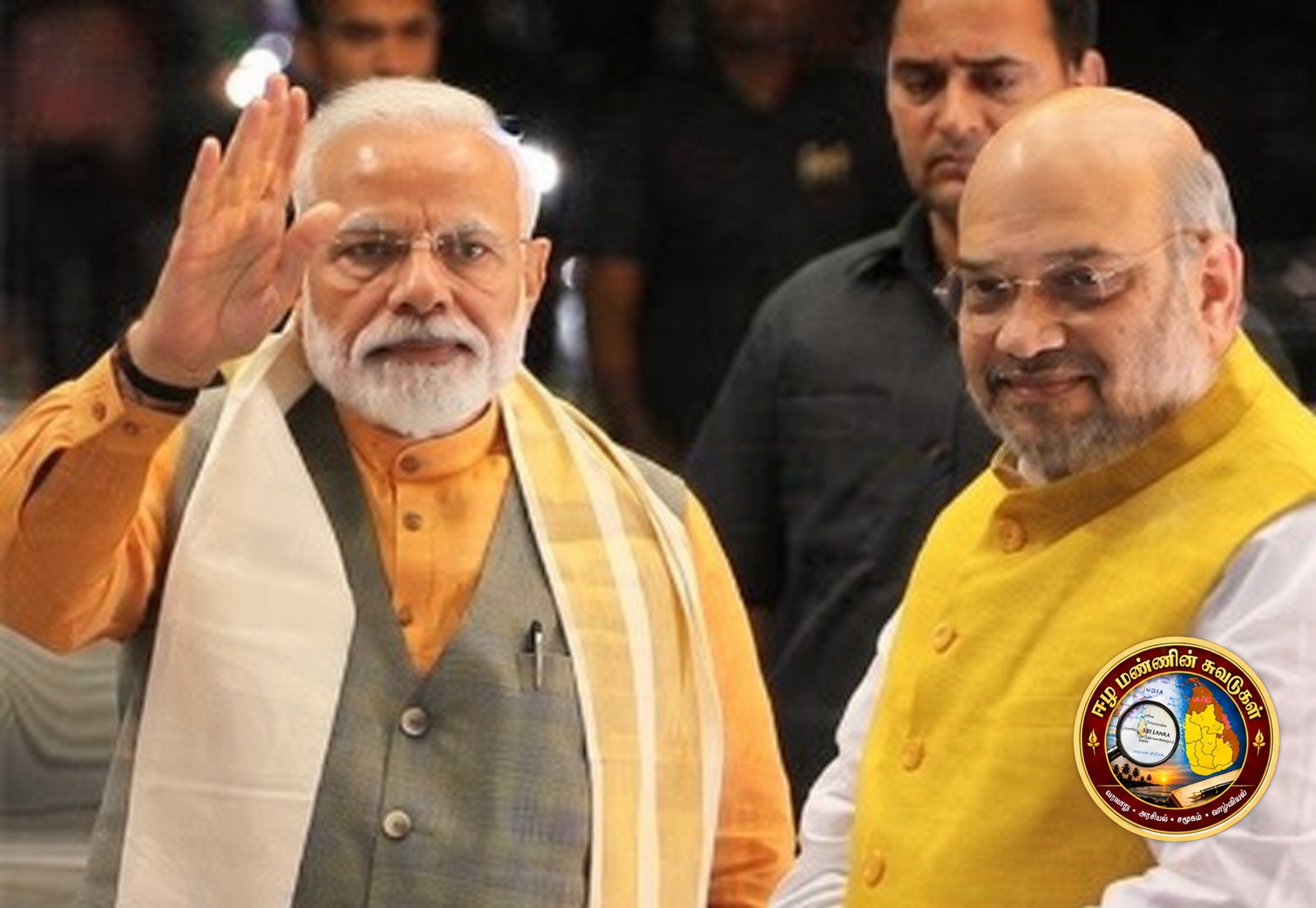
The Tamil Nadu government led by Vijay is seeking to advance development projects through cooperation with the Union government. What political form this relationship might take in the future remains unclear.
For the BJP, the task is to decide its position in response to Tamil Nadu’s new political environment. Administrative cooperation with Vijay’s government is one matter; expanding its own place in electoral politics is another.
It cannot be said that the Modi–Vijay meeting has already delivered immediate political gains to the BJP. Nor can it be said that the meeting has ended the party’s prospects in Tamil Nadu.
Its future will be determined by its efforts to earn public trust and its ability to adapt to the state’s political needs.
Conclusion: Will the lotus bloom in Tamil Nadu?
Prime Minister Modi’s visit, development projects worth more than Rs 13,000 crore and his Metro journey with Chief Minister Vijay are significant events for the state’s development and Union–state relations.
However, these events alone cannot determine the BJP’s political future in Tamil Nadu.
The central question is how the party under Nainar Nagendran strengthens its political foundations following Annamalai’s departure.
“Would the lotus have bloomed in Tamil Nadu if leaders such as Annamalai had remained?” is a question for political debate. But declaring that “the lotus will never bloom again” would be a premature judgment.
Future political developments will show whether the BJP’s opportunities in Tamil Nadu have closed or whether it can create new openings by changing its approach.
Leaders may change, and political circumstances may change. But a party that earns the people’s trust will have opportunities to grow. Ultimately, it is the people of Tamil Nadu who will decide whether the lotus blooms in their state.
Swami Shankarananthaa🙏
Reader Comments
Loading comments…