
ARTICLES · EELAM HISTORY
The Early Commander Who Laid the Foundations for the LTTE’s Growth in Trincomalee!
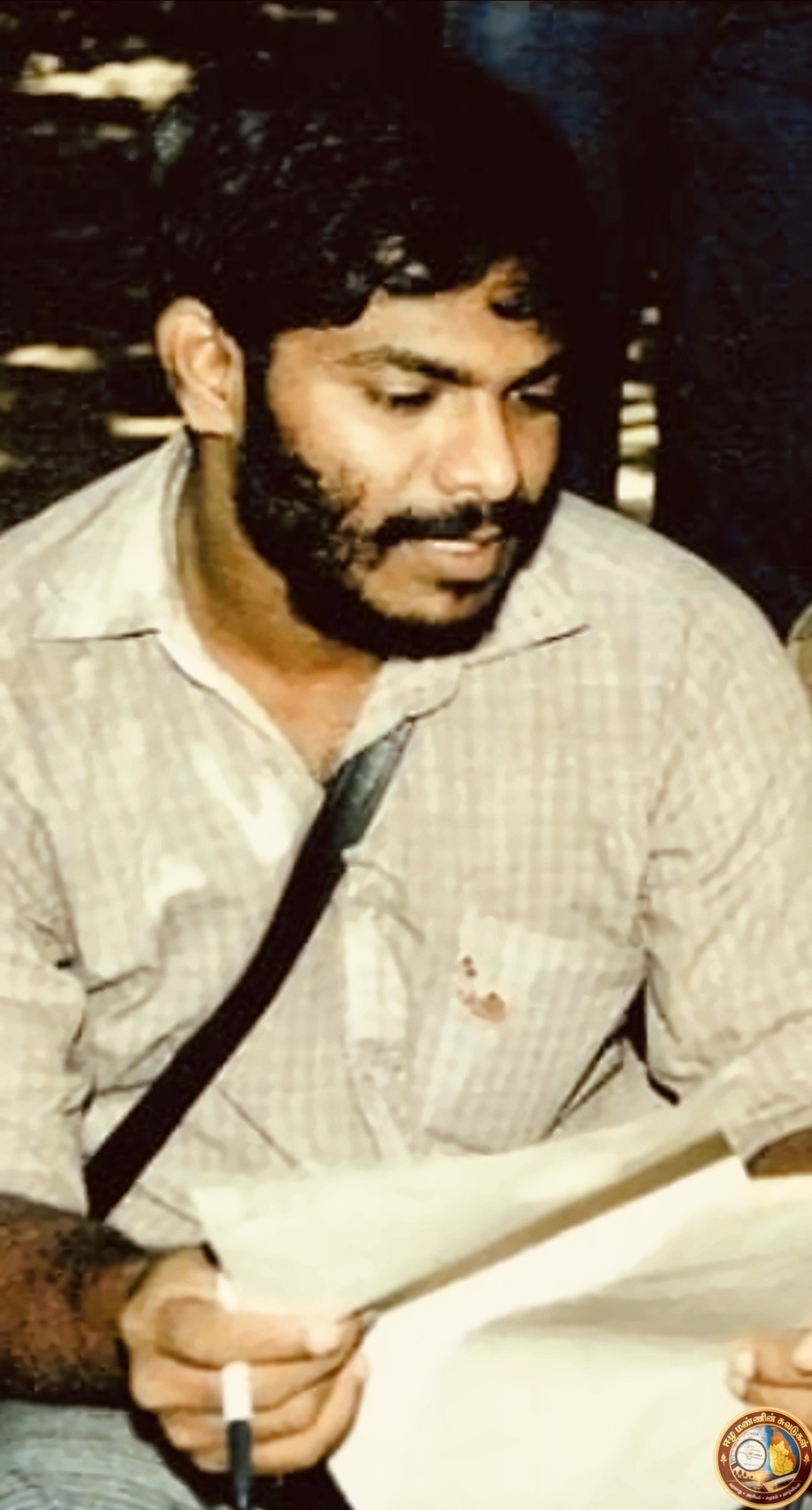
Santhosam Master was an important figure among those who took on various responsibilities during the early development of the Liberation Tigers of Tamil Eelam in the history of the Eelam liberation struggle.
He played a particularly significant role in establishing the LTTE’s organizational structure in Trincomalee District and extending its contacts from village to village, serving as a member of the movement’s Central Committee and as its Trincomalee District Commander, before falling in battle against the Indian Army at Kondavil on October 21, 1987.
Who was Santhosam Master?
Born Ganapathipillai Umainesan on January 4, 1959, in Ariyalai, Jaffna, Santhosam Master received his schooling at St. John’s College in Jaffna and subsequently pursued higher education in physical sciences at the University of Jaffna, establishing contacts with the Liberation Tigers of Tamil Eelam and beginning to participate in its early activities while he was still a university student.
With a keen interest in education and considerable ability in the Tamil language and in writing, he was drawn to the political awareness growing among Tamil youth at the time and carried out work for the movement alongside his university studies.
Early work within the LTTE
At that time, the Liberation Tigers of Tamil Eelam operated with a very small membership, with Santhosam Master and Anton Master among the university students in its ranks.
As the movement faced severe shortages of weapons, money and other resources, each member had to undertake a range of responsibilities to keep its activities going.
Santhosam Master accordingly arranged houses and rooms for members to rent, provided the assistance they needed and maintained the movement’s contacts, before also beginning to participate in its armed operations.
Even while studying at university, Santhosam Master gave considerable priority to work for the movement. On one occasion, while he was involved in preparations for an attack, his final-year university examination was also taking place.
Although those with him urged him to attend the examination, he did not wish to leave before completing the task he had undertaken.
The priority he gave to the movement’s work, even at the final stage of his higher education, is one of the incidents that illustrates this aspect of his life.
Santhosam Master in early armed operations
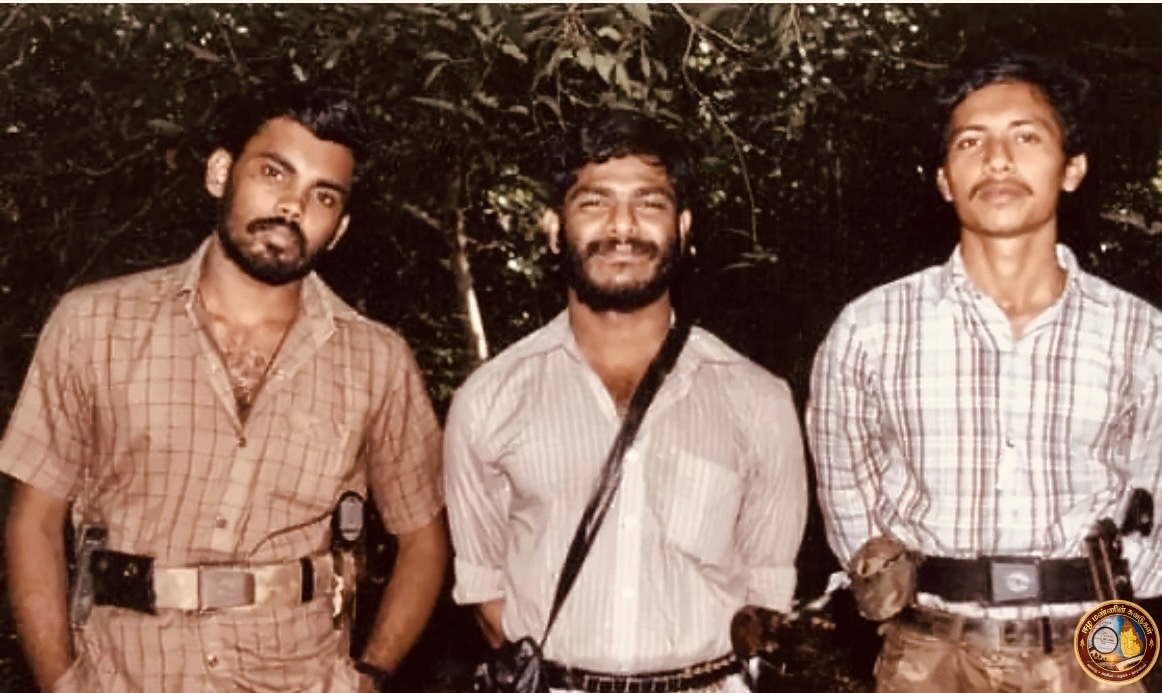
Santhosam Master participated directly in several of the LTTE’s early armed operations, including an attack on a police jeep at Nelliady, the attack on Chavakachcheri Police Station, a landmine attack on Sri Lankan Navy personnel at Ponnalai, an attack in the Umayalpuram area of the Vanni, and the attack on Kaluwanchikudy Police Station in Batticaloa District.
Through participation in such operations during the period when the LTTE was extending its armed struggle across the North and East, he gained field experience and later took on leadership responsibilities within the movement.
Santhosam Master also participated in the LTTE attack on Sri Lankan Army personnel at Thirunelveli, Jaffna, on the night of July 23, 1983. In that operation, led by LTTE leader Velupillai Prabhakaran, he took part alongside early members including Sellakili, Victor, Ponnamman and Kittu, while the anti-Tamil ethnic violence that followed in Sri Lanka in July 1983 marked a major turning point in the history of the Eelam liberation struggle.
His contribution to the LTTE’s growth in Trincomalee
Among the different stages of Santhosam Master’s involvement in the struggle, which included several early LTTE armed operations, his work in Trincomalee District was especially significant.
Although he came from Jaffna, he went to Trincomalee District in the early 1980s to establish the LTTE’s contacts and organizational structures, travelling directly to villages across the district, getting to know residents and bringing young people together, thereby playing an important role in expanding the movement’s activities.
Working in the Tamil villages stretching from Thennamaravady in the north of Trincomalee District to Verugal in the south, as well as in Trincomalee town, Santhosam Master travelled from village to village to meet young people, discuss the problems Tamil people faced and explain political ideas, while also bringing together those who wished to join the movement and making the necessary arrangements for them.
Living and working alongside the young people who joined, he attended to accommodation, food and other essential needs, while also taking an interest in developing relations between village residents and the movement’s members.
Building the structure of an armed movement in Trincomalee District at the time was not an easy task. Maintaining regular contact between the Tamil villages spread from Thennamaravady to Verugal, travelling to and from those villages, and arranging safe accommodation for members all presented considerable difficulties.
Carrying out this work despite limited transport and security threats, Santhosam Master also concentrated on developing close relations with village residents and gaining their trust.
Interested in understanding the living conditions of people in Trincomalee District’s villages and the problems they faced, he also regularly joined members of the movement in their day-to-day work.
Although he held the responsibility of a commander, Santhosam Master maintained close relationships by staying and working with the young people who had joined, becoming well known among residents of villages across Trincomalee District.
The LTTE’s growth in Trincomalee District at that time involved more than recruiting new members. It included establishing contacts between villages, arranging accommodation, exchanging information, organizing training for new recruits and maintaining relations with the public; Santhosam Master played an important role in coordinating these tasks and building the movement’s early organizational structure, later also assuming responsibility as Trincomalee District Commander.
Writing and political work
Alongside armed operations and organizational duties, Santhosam Master also contributed to the movement’s political and written work, serving on the editorial team of “Unarvu,” one of the LTTE’s early publications, and helping prepare leaflets conveying its political views to the public. At a time when websites and social media did not exist as they do today, leaflets and small newspapers were important ways for movements to communicate their political ideas, and Santhosam Master’s abilities in Tamil and writing also found expression in this work.
Conditions after the Indo–Sri Lanka Accord
After the Indo–Sri Lanka Accord was signed on July 29, 1987, and the Indian Peace Keeping Force arrived in Sri Lanka, Santhosam Master also gave attention to the resettlement and rehabilitation of displaced Tamil people in Trincomalee District. At a time when people affected by Sri Lankan state forces’ operations and ethnic violence needed assistance to restore normal life, he contributed to arrangements for their resettlement and the provision of necessary support.
However, problems concerning Tamil people’s security and political rights continued even after the accord was signed, while disagreements between the Indian government and the LTTE increased over its implementation, the surrender of weapons and arrangements for an interim administration. Amid accusations that undertakings made under the accord had not been fulfilled, Thileepan’s hunger strike and death, followed by the deaths of twelve LTTE members, including Kumarappa and Pulendran, after taking cyanide, further worsened relations between the Indian government and the LTTE.
The Indian Army’s Operation Pawan and the battles in Jaffna
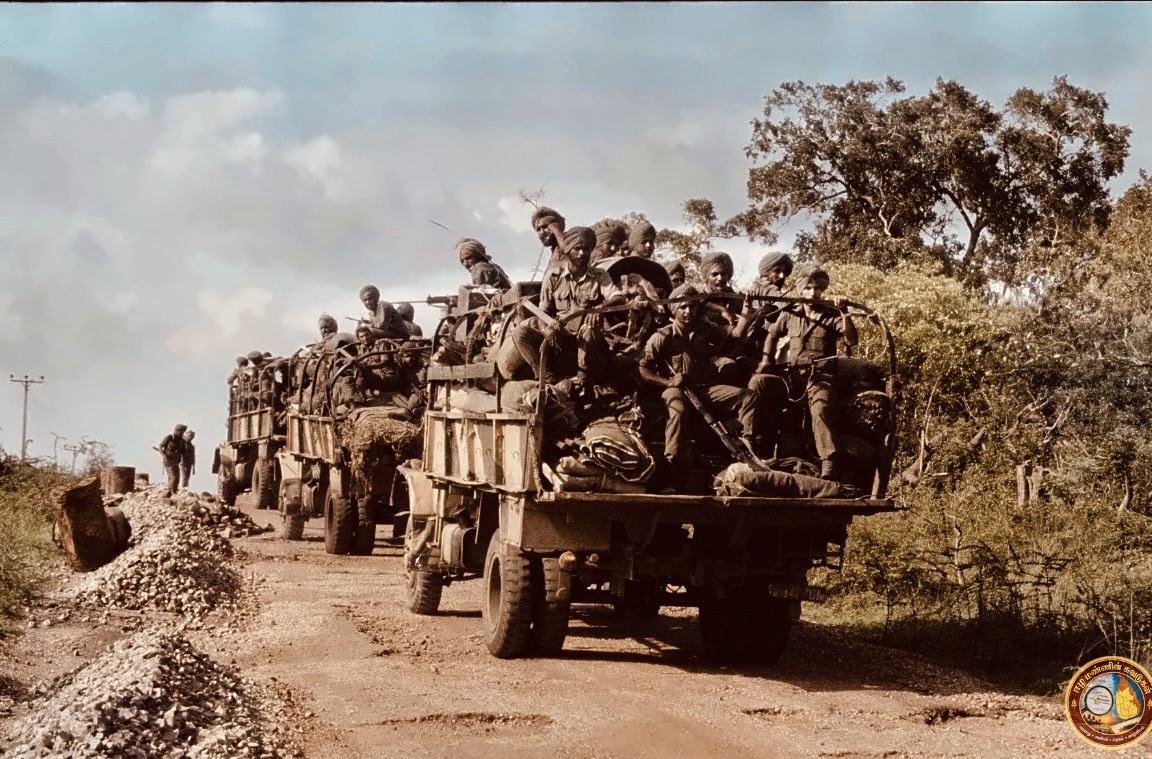
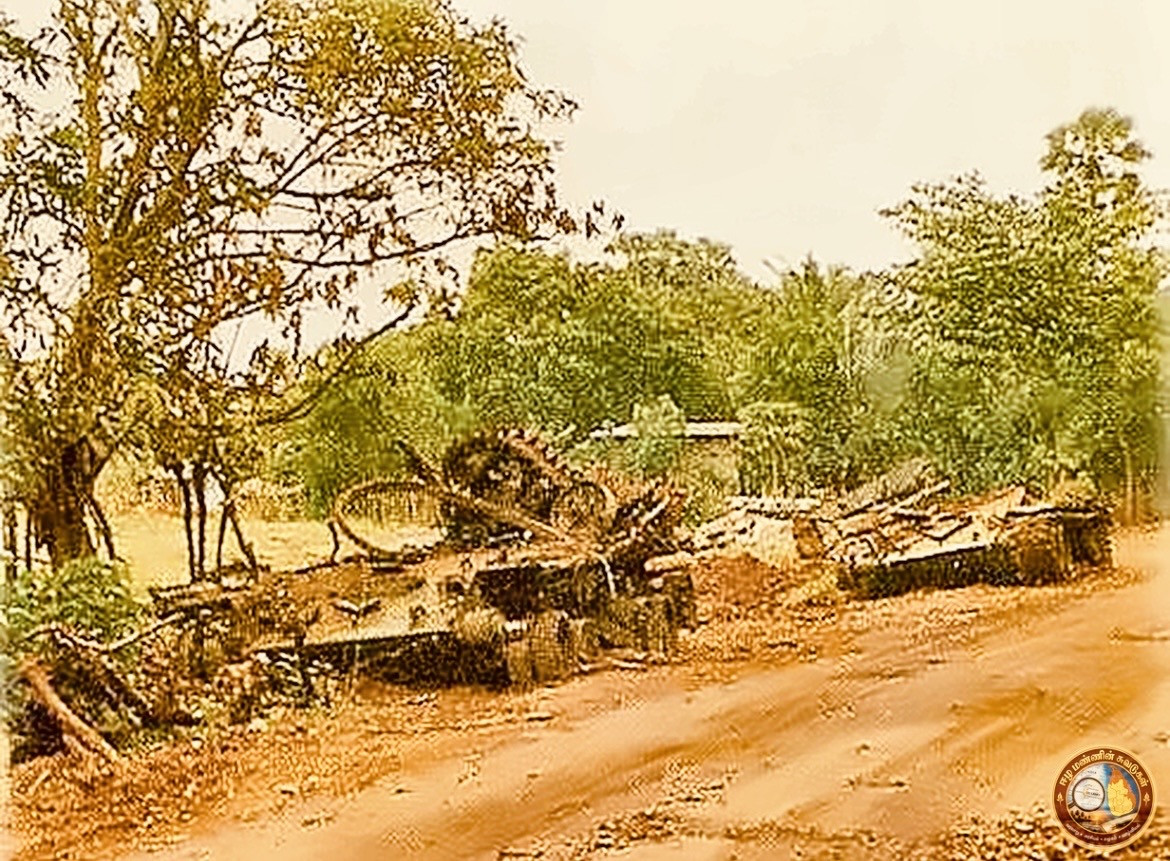
Direct warfare subsequently broke out between the Indian Army and the LTTE in October 1987, and the Indian Army launched a major military operation called “Pawan” with the aim of bringing Jaffna under its control. Fierce battles took place between the LTTE and Indian troops advancing from different parts of Jaffna with infantry, tanks, armoured vehicles and air support, while civilians suffered heavily as fighting also occurred in densely populated residential areas.
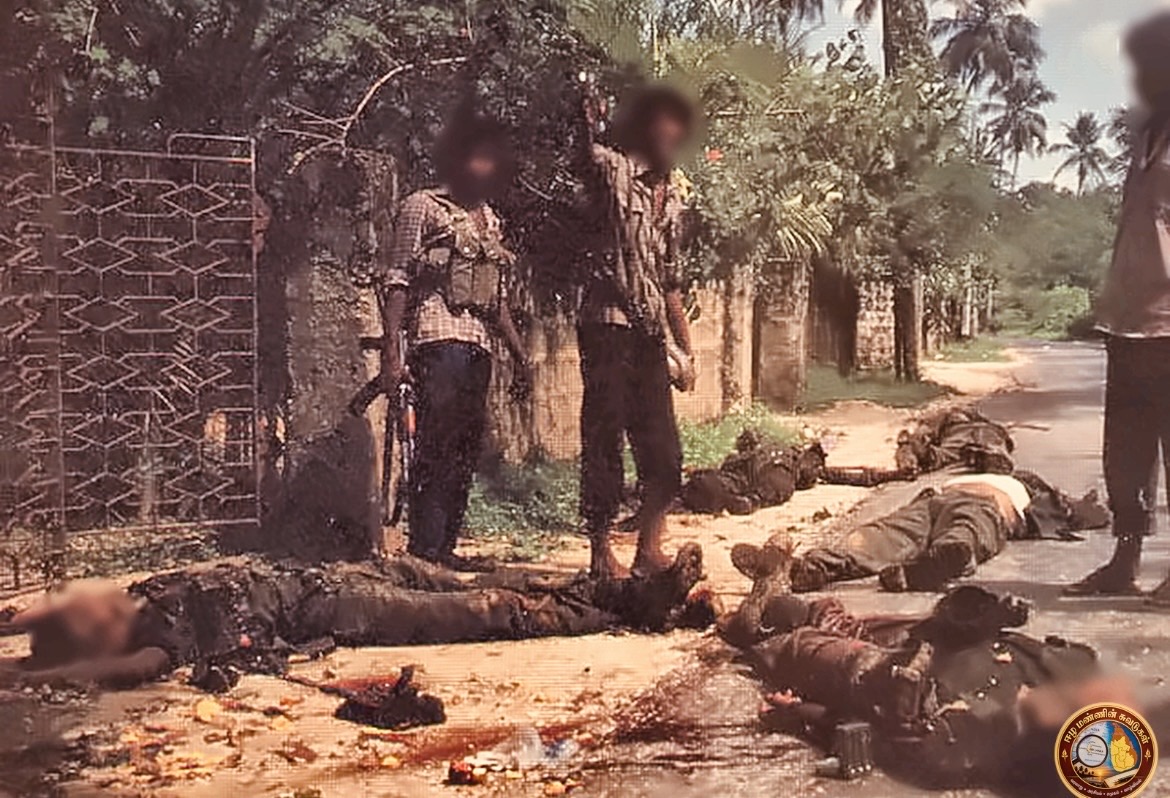
The 54th Infantry Division played a major role in this Indian Army operation in Jaffna, with Major General Harkirat Singh serving as its commander.
While Lieutenant General Dipinder Singh held senior command of the Indian Peace Keeping Force in Sri Lanka, tanks belonging to the Indian Army’s 65th Armoured Regiment were also used in operations in Jaffna.
The LTTE fought in different parts of Jaffna against the advance of various Indian Army formations, including tanks from that armoured regiment, whose commanding officer was Lieutenant Colonel S. P. Khanna.
Santhosam Master’s death in the battle at Kondavil
Following the outbreak of war with the Indian Army, Santhosam Master participated in the battles in Jaffna and had been fighting Indian forces for twelve days when he fell in the battle at Kondavil on October 21, 1987.
He was only 28 when he was killed by shellfire while fighting against the Indian Army’s advance.
On the same day that Santhosam Master died, October 21, 1987, patients and medical personnel were also massacred by Indian troops at Jaffna Teaching Hospital. Doctors, nurses and patients were killed inside a hospital that was treating people affected and wounded by the war, making the incident an important historical example of the suffering Tamil people experienced during the Indian Peace Keeping Force’s operations.
Although the battle in which Santhosam Master died at Kondavil and the killings at Jaffna Hospital took place at different locations, these events reveal the wartime conditions in Jaffna and the insecurity faced by civilians at the time.
Santhosapuram village, established in memory of Santhosam Master
Although he was born in Ariyalai, Jaffna, Santhosam Master spent an important part of his life in the struggle in Trincomalee District, establishing LTTE contacts in the Tamil villages from Thennamaravady to Verugal and in Trincomalee town, bringing young people together and developing the movement’s early structures, thereby securing an important place in the district’s history of armed struggle.
In particular, a village named Santhosapuram was established in his memory near Sampur in Trincomalee District, together with a school in the village called Santhosapuram Sivasakthi Vidyalayam.
That the name of Santhosam Master, a young man from Jaffna who went to Trincomalee District, built relationships with people from village to village and worked for the movement’s growth, later became the name of a village in that district is a notable aspect of his life in the struggle.
Santhosam Master in the history of the Eelam liberation struggle
Discussions of the history of the Eelam liberation struggle often focus on major military operations, important battles and commanders who died in them, but it is also necessary to document how a movement was first established, how its contacts expanded, who worked to build its structures from village to village, and what difficulties they encountered in doing so.
To understand fully the history of a movement that later grew substantially, it is necessary to know the lives of those who helped create its early organizations.
In this respect, the life of Santhosam Master—as a member who participated in the LTTE’s early armed operations, a contributor to political writing, an organizer who maintained close relations with the public and a commander who laid the foundations for the movement’s growth in Trincomalee District—is closely connected with the early history of the Eelam liberation struggle.
Today, as October 21 marks 39 years since Santhosam Master died in battle on October 21, 1987, it is necessary to remember his life in the struggle, particularly his work for the LTTE’s early growth in Trincomalee District, and to pass that history on to future generations.
Born in Ariyalai, Jaffna, educated at St. John’s College and the University of Jaffna, joining the LTTE as an early member, working for its growth in villages across Trincomalee District and ultimately falling in battle against the Indian Army at Kondavil, Santhosam Master’s name continues through the village of Santhosapuram established in his memory and in the history of armed struggle in Trincomalee District.
Swami Sankaranantha🙏
Reader Comments
Loading comments…