
NEWS · CANADA
Canadian Dollar Climbs to a Four-Week High! Albertans’ Decision Lifts Financial-Market Sentiment!
October 20, 2026 | Toronto, Canada
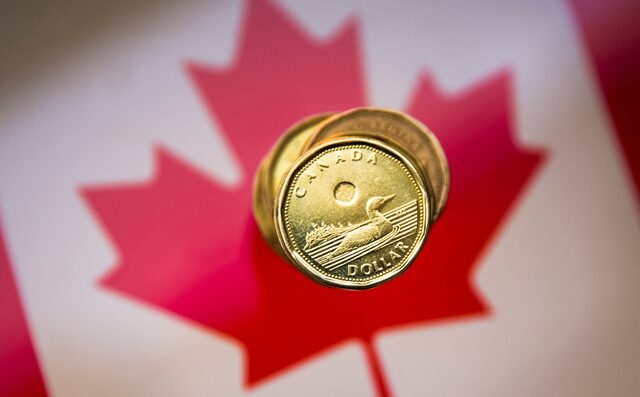
The Canadian dollar has risen to its highest level against the U.S. dollar in four weeks after a majority of Albertans backed remaining in Canada and rejected proceeding with steps toward separation.
In foreign-exchange trading on Tuesday, October 20, 2026, the Canadian dollar gained approximately 0.5 per cent.
The U.S. dollar fell to C$1.4045, while one Canadian dollar rose to 71.20 U.S. cents.
At one point during trading, the U.S. dollar fell to C$1.4033, marking the Canadian dollar’s strongest level since September 22.
Among the world’s ten major currencies, the Canadian dollar recorded the second-strongest performance of the day, behind the British pound.
Albertans’ historic decision

A referendum was held on Monday, October 19, in Alberta, Canada’s major oil-producing province.
Voters were asked whether Alberta should remain a province of Canada or whether the provincial government should begin the constitutional process required to hold a future legally binding referendum on separation from Canada.
Preliminary vote counts indicated that approximately 75 to 76 per cent supported remaining in Canada.
Meanwhile, approximately 24 to 25 per cent backed beginning further legal steps toward separation.
This was not a referendum that would immediately separate Alberta from Canada. It was held to determine whether to begin the legal process for another referendum on separation in the future.
Furthermore, the results of this referendum are not legally binding.
Nevertheless, it is being viewed as an important political decision in support of Canadian national unity.
According to information released by Elections Alberta, the final official results are scheduled to be announced on October 29.
A significant political victory for Prime Minister Mark Carney

Albertans’ decision represents a significant political victory for the government of Canadian Prime Minister Mark Carney.
U.S. President Donald Trump’s comments about making Canada the 51st U.S. state, together with trade disputes between Canada and the United States, had intensified debate over Canadian national unity.
Against this backdrop, the failure of the move toward an independent Alberta to secure majority support is a positive development for Canada’s political stability.
Welcoming the referendum result, Prime Minister Mark Carney said Albertans had made a clear decision, choosing unity and building the country together.
Alberta Premier Danielle Smith also welcomed the majority support for remaining in Canada.
However, supporters of separation say the political dissatisfaction of those who voted in favour of it cannot be ignored.
Alberta has long experienced political disagreements over federal economic policies, restrictions concerning oil resources and the distribution of funding among provinces.
Therefore, although the move toward separation has been rejected in this referendum, political debate between the federal government and Alberta may continue.
The referendum is not the only reason for the Canadian dollar’s rise
Although Albertans’ decision has boosted investor confidence, financial-market analysts say several economic factors are also contributing to the Canadian dollar’s gains.
In particular, a narrowing gap between Canadian and U.S. government bond yields has supported the Canadian currency.
Earlier this month, the difference between Canadian and U.S. two-year government bond yields was approximately 160 basis points.
That gap has now narrowed to 146 basis points.
One important factor is investors’ expectation that the Bank of Canada may raise interest rates next week.
Financial-market pricing that day indicated an approximately 80 per cent probability that the Bank of Canada would raise its current key interest rate from 2.25 per cent to 2.50 per cent at its next monetary-policy meeting on October 28.
However, this is only an investor expectation. The Bank of Canada has not yet announced a final decision to raise interest rates.
Recent comments by Bank of Canada Governor Tiff Macklem and an increase in long-term inflation expectations have strengthened market expectations of a rate increase.
Marc Chandler, chief market strategist at Bannockburn Capital Markets, said the considerable narrowing of the interest-rate differential between Canada and the United States in recent days had helped the Canadian dollar recover.
He also assessed the Alberta referendum result as highly favourable from the perspective of financial markets.
He noted that the result had reduced uncertainty for investors by avoiding major changes to Canada’s existing political and economic arrangements.
Oil prices and the Canadian dollar’s rise
Canada is one of the world’s major producers and exporters of crude oil.
Alberta, in particular, plays an important role in Canadian oil production.
As a result, changes in international oil prices can also affect the value of the Canadian dollar.
Tensions in the Middle East, Houthi attacks on Saudi Arabia’s oil infrastructure and reports of attacks on ships in the Gulf have recently influenced international oil markets.
Against this backdrop, oil prices edged lower on Tuesday from their highest levels since April.
U.S. crude oil futures fell approximately 0.9 per cent to trade at US$102.75 a barrel.
The Canadian dollar’s rise despite lower oil prices indicates that political stability and interest-rate expectations were important drivers of the day’s currency-market gains.
Changes in the Canadian government bond market
The government bond market also shifted alongside the Canadian dollar’s gains.
The yield on Canada’s ten-year government bond fell 6.8 basis points to 3.894 per cent.
Changes in government bond prices and yields are common when investors’ expectations in financial markets shift.
What benefits could Canadians see?
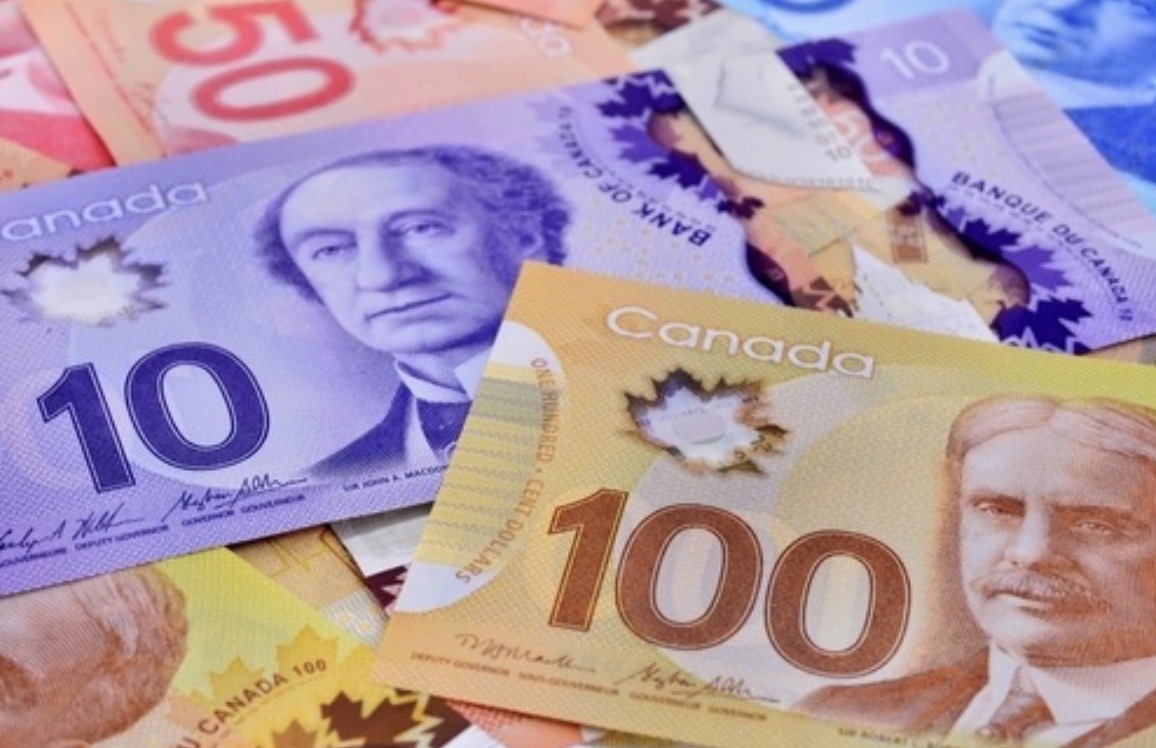
If the Canadian dollar continues to strengthen, the cost of purchasing some imported goods priced in U.S. dollars could fall.
Canadians travelling to the United States, students studying there and those who need to make payments in U.S. dollars could also benefit.
At the same time, a stronger Canadian dollar could disadvantage some Canadian companies that export goods abroad.
This is because goods produced in Canada may become relatively more expensive for foreign buyers when the Canadian dollar strengthens.
Nevertheless, a one-day currency-market gain does not mean that imported goods or the public’s cost of living will immediately become cheaper.
What happens next?
The Bank of Canada’s interest-rate announcement on October 28 is expected to play an important role in determining the Canadian dollar’s next moves.
A rate increase could provide further support for the Canadian dollar. However, the currency’s subsequent movement will also depend on the extent to which that decision has already been reflected in market prices.
Similarly, U.S. Federal Reserve policy, international oil prices, trade relations with the United States and Canadian economic growth will help determine the currency’s future direction.
While Albertans’ referendum decision has sent a political message in support of Canadian national unity, its effects have also been felt in the country’s financial markets.
However, whether the Canadian dollar’s current gains can be sustained over the longer term will be determined by economic data released in the coming weeks and the central bank’s decisions.
Reader Comments
Loading comments…