
ARTICLES · POLITICS
Chemmani Mass Grave: Is a Domestic Investigation Enough? Why Is International Assistance Necessary?
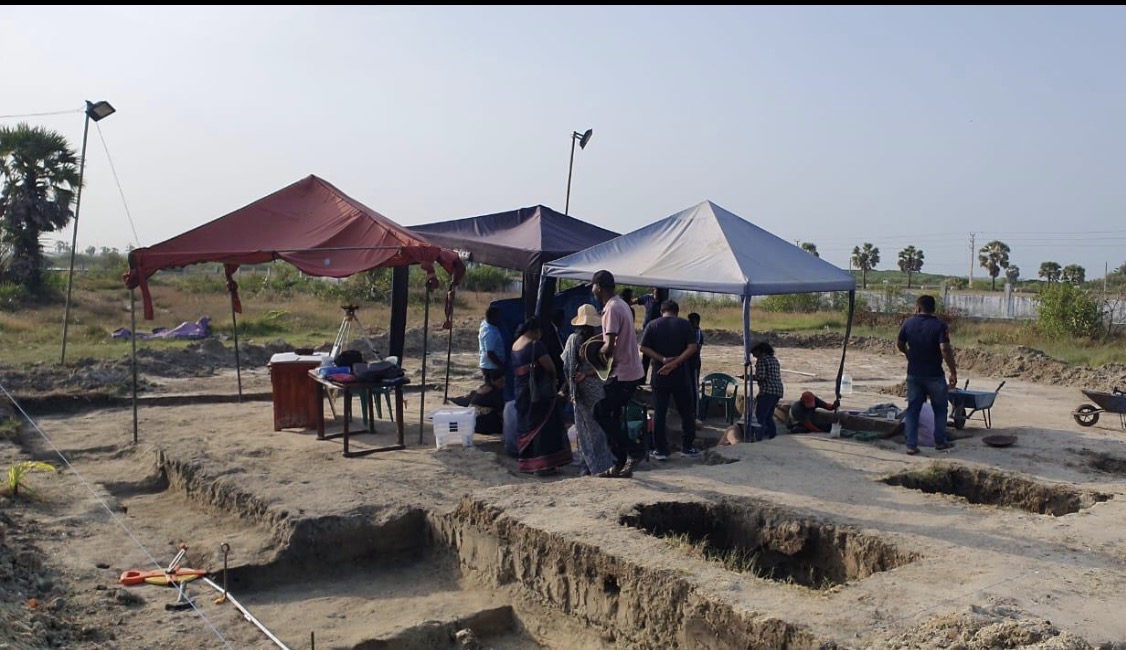
The investigation into the Chemmani mass grave in Jaffna has once again prompted debate about human rights in Sri Lanka and the credibility of its justice system.
With hundreds of human skeletons recovered, firm answers have yet to emerge about whose remains they are, when and how those people died, and the circumstances in which they were buried.
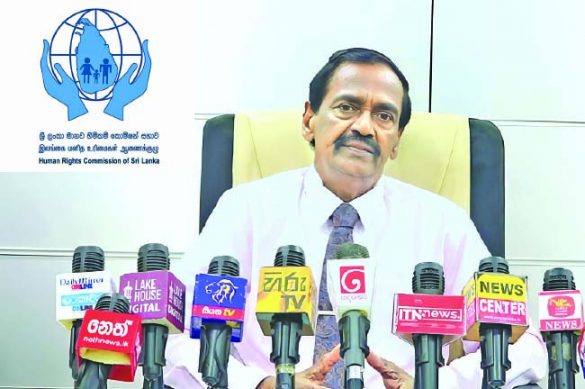
Against this background, the Human Rights Commission of Sri Lanka has stressed the need to seek international assistance to ensure a credible and independent investigation into the Chemmani mass grave.
In a news report published on October 29, 2026, Commission member Nimal G. Punchihewa stated that the Commission’s responsibility was to recommend to the government the measures needed to secure justice for affected people, while implementing those recommendations was the government’s duty.
He also stressed that, with the Commission having already recommended obtaining international assistance for the Chemmani investigation, the government must fulfil its responsibility.
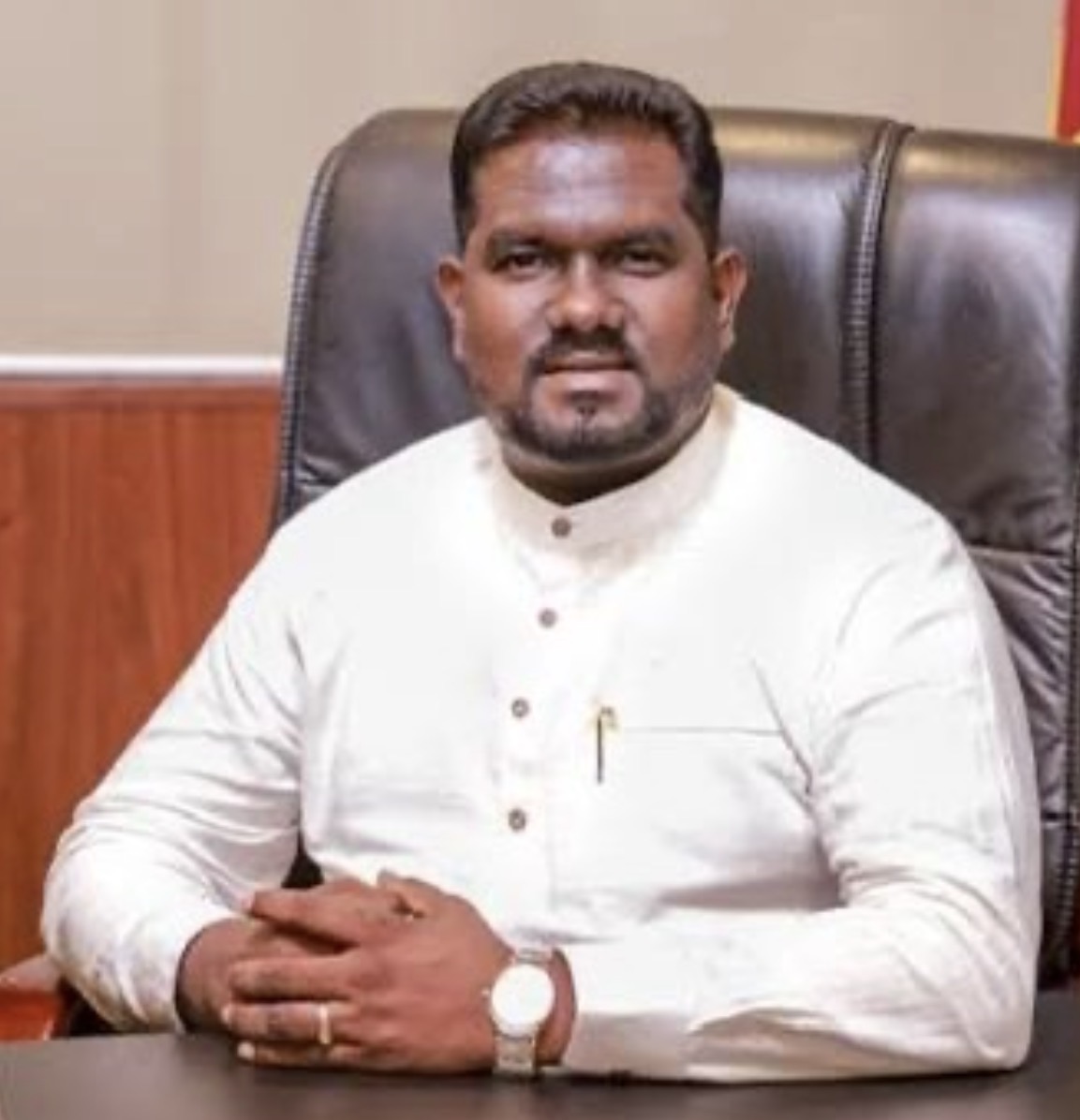
However, Deputy Minister of Plantation and Community Infrastructure Sundaralingam Pradeep has expressed a different view.
At a press conference held at the Jaffna Press Club on October 26, he said domestic investigative mechanisms were sufficient to address certain aspects of the Chemmani case.
Saying that the current government was undertaking work previous governments had failed to carry out and that it did not interfere in investigations, he stated that people had confidence in the courts and the present government.
These two positions have raised an important question about the future of the Chemmani investigation.
Can Sri Lanka’s domestic investigative mechanisms alone uncover the full truth about Chemmani?
To answer this question, it is necessary to consider both Chemmani’s history and the investigation now under way.
Chemmani is by no means a new name in Sri Lanka’s human rights history.
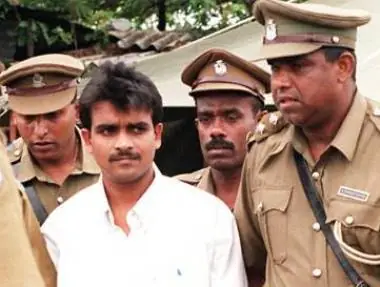
On September 7, 1996, 18-year-old Krishanthi Kumaraswamy, a student at Chundikuli Girls’ College in Jaffna, was stopped at the Kaithady military checkpoint while returning home after an examination.
She was subjected to sexual violence and murdered by Sri Lankan army personnel.
Her mother, Rasamma Kumaraswamy, her 16-year-old brother, Pranavan, and family friend Kirupakaran, who went looking for her, were also murdered.
Those convicted in the case concerning these four murders, including military personnel, were sentenced.
During the trial in 1998, one of those convicted, soldier Somaratne Rajapaksa, told the court that a further 300 to 400 bodies had been buried in the Chemmani area.
It was this allegation that brought the Chemmani mass grave issue to international attention.
Subsequent excavations in 1999 recovered 15 human skeletons. However, the investigation did not fully establish their identities or identify those responsible for their deaths and deliver justice.
Although the perpetrators in the Krishanthi murder case were punished, investigations into the deaths of the others alleged to have been buried at Chemmani did not reach a complete conclusion.
Many years have since passed. Governments changed in Sri Lanka. Presidents changed. Promises were made about investigations. Yet the questions surrounding Chemmani remained without complete answers.
It was against this historical background that human skeletal remains were discovered in February 2025 during construction work for a new cremation platform at Chemmani’s Sindhupathi cemetery.
Excavations subsequently began under the supervision of the Jaffna court.
Three phases of excavation carried out in 2025 and 2026 brought the Chemmani investigation to another significant stage.
When the third phase ended in August 2026, a total of 583 sets of human skeletal remains were reported to have been recovered.
However, the third interim archaeological report submitted to the Jaffna court on October 19 estimated that the remains represented at least 574 individuals.
The difference between these figures needs to be clarified through the final analyses.
Another finding in the interim report prepared by Professor Raj Somadeva and archaeologist Anusha Wanninayake has attracted considerable attention.
According to the report’s preliminary age assessment, 41 per cent of the deceased were classified as children and a further 22 per cent as infants.
In other words, the report’s preliminary estimates suggest that more than half of the recovered human remains could belong to children and infants.
Although these age assessments are not final, how such a large number of children and infants died is an important question requiring detailed investigation.
Coins, personal belongings and certain objects considered to be associated with burial practices were also found alongside the human skeletons during the excavations.
Drawing on these finds and the arrangement of the burials, the interim report noted that the site displayed certain features associated with customary burial practices.
It also raised the possibility that large numbers of bodies might have been buried following circumstances such as a past epidemic or natural disaster.
However, no particular epidemic or natural disaster responsible for such deaths has yet been identified.
Similarly, scientific examinations have not yet established the period to which the recovered human remains belong or the causes of death.
There is therefore still insufficient evidence to reach a final conclusion that the remains found at Chemmani are associated either with customary burials or with burials following unlawful killings.
Meanwhile, lawyers appearing on behalf of the families of the disappeared have filed a petition in the Jaffna court challenging certain conclusions in the interim report.
Their position is that the burials should not be classified as ordinary burials without fully examining the condition of the recovered remains, the depth at which they were buried, the arrangement of bodies found together, the objects recovered and the area’s historical background.
With such differences of opinion emerging, scientific evidence and transparency must be central to the Chemmani investigation.
The fact-finding report on the Chemmani mass grave released by the Human Rights Commission of Sri Lanka in September 2025 also identified several shortcomings in the investigation.
Key concerns included a shortage of forensic anthropologists to examine human skeletons, insufficient personnel for archaeological work and inadequate modern technological facilities.
The Commission also noted that Sri Lanka lacked adequate modern radiocarbon testing facilities to establish the age of human remains.
In particular, assistance from overseas laboratories is needed to undertake specialised testing used to date human remains from after 1950.
It is also necessary to obtain DNA samples from relatives of the disappeared with their consent, store those samples securely and compare them with the recovered remains.
These are fundamental scientific steps toward identifying the deceased.
In this context, it is also necessary to distinguish between obtaining technical assistance from international forensic experts and conducting an independent criminal investigation with international participation.
Testing human remains in overseas laboratories, carrying out DNA comparisons and obtaining scientific advice on excavations are forms of technical assistance.
However, identifying those responsible and bringing them before the law, where there is suspicion of human rights violations or unlawful killings, falls within the scope of a criminal investigation.
Sri Lanka’s courts can fulfil their legal responsibilities while also obtaining the international scientific assistance they need. Accepting such help need not amount to rejecting the country’s judiciary.
In a written answer given in the British Parliament on September 10, 2026, the British government also stated that it had encouraged the Sri Lankan government to consider international assistance for the Chemmani investigation.
The importance of ensuring that the excavation, preservation and identification of human remains take place in accordance with international standards and with the participation of affected families was also stressed.
The experience of previous investigations is another important reason for calling for international assistance in the Chemmani case.
Investigations into mass graves discovered in various parts of Sri Lanka have so far failed to deliver full justice.
Although human remains have been recovered in places including Mannar and Kokkuthoduvai, longstanding difficulties have arisen in establishing identities and the circumstances of death.
Families of the disappeared have struggled for years to learn what happened to their relatives. Many have spent a large part of their lives searching for the truth.
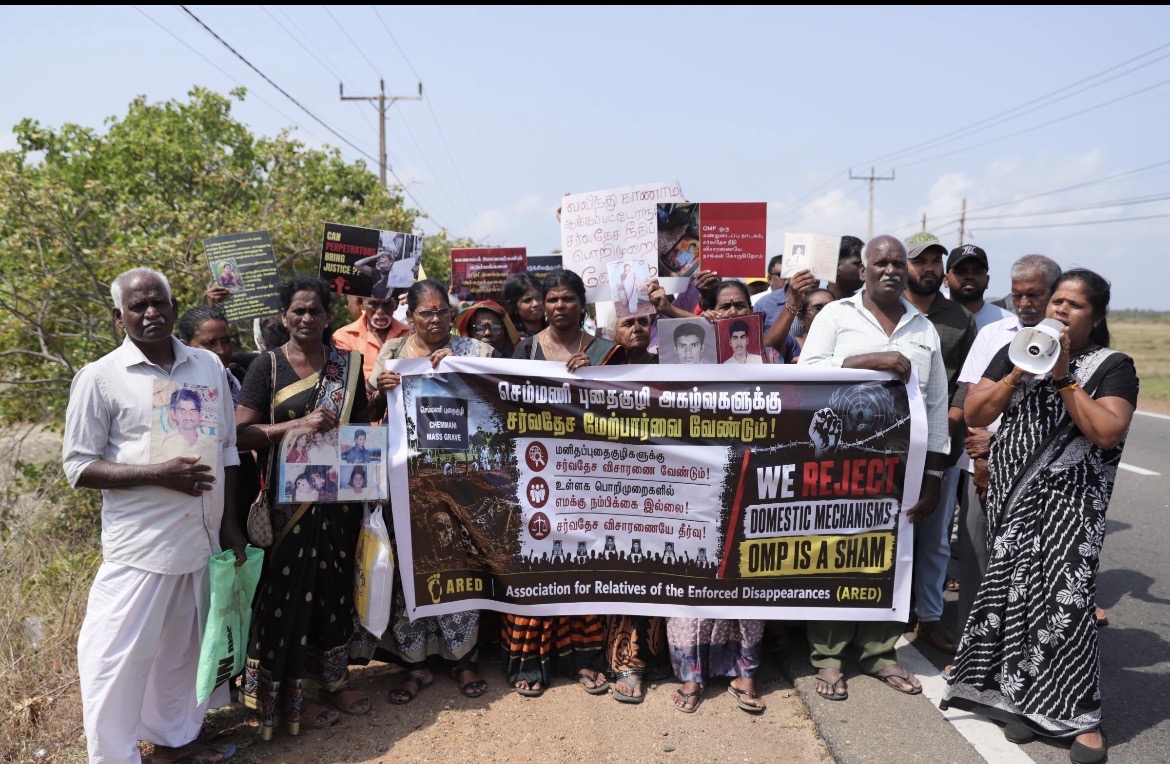
In these circumstances, distrust of domestic investigations cannot simply be dismissed as political opposition.
At the same time, the efforts of judicial officers, judicial medical experts, archaeologists and other personnel involved in the ongoing Chemmani excavations cannot be overlooked.
It is the government’s responsibility to address the shortages of personnel, funding and technology they face and to provide full cooperation for the investigation.
What matters in the Chemmani case is not which government began the investigation. It is establishing who was buried there and what happened to them.
Scientific examinations must establish the period to which the recovered human remains belong and the causes of death. If crimes are proven, those responsible must be brought before the law, whatever positions they may have held.
The Sri Lankan government must ensure that this investigation proceeds transparently, without political interference and with the necessary international expertise.
Families who have waited for years without knowing what happened to their loved ones do not need another government’s promise.
Their expectation is to learn the truth about what happened to their relatives and, if injustice was committed, to obtain justice. The Sri Lankan government cannot evade its responsibility to fulfil that expectation.
Swami Shankaranandaa 🙏
Reader Comments
Loading comments…